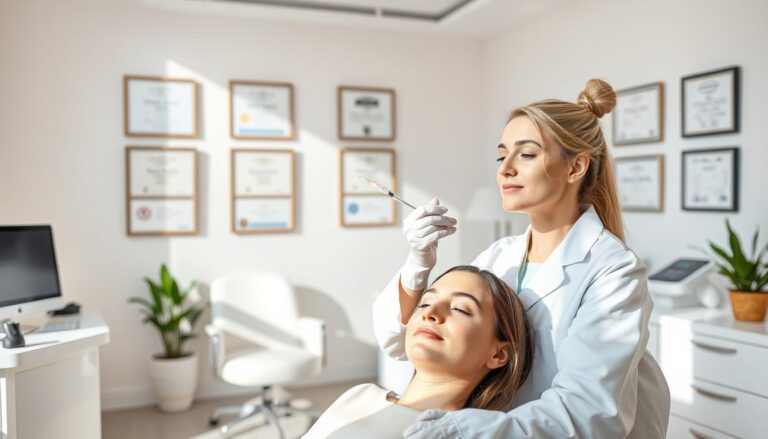
Curious if a medical license and smart training can really fast-track your aesthetics career in 2026? I’ve watched talented clinicians stall when they missed one key step. Here, I map a clear path that respects scope and builds real skill.
I’ll set expectations up front: if you’re a licensed medical professional ready to grow, this short guide shows the exact steps to gain hands-on training, optional certification, and practical experience that employers value.
FREE TOOL FOR THIS TOPIC
Healthcare Career Role Comparator
Built specifically for readers of How to Become a Botox Injector: 5 Proven Career Steps. Answer four quick questions to receive a focused result immediately—no email required.
Healthcare Career Role Comparator
Compare patient contact, education length and work setting across healthcare roles.
Continue building your career
Use another free CareersForge resource to turn this result into your next application, resume or interview step.
We’ll align your existing credentials with the right courses, mentorship, and safe practice rules so you avoid wasted time. I’ll also show where certified botox credentials matter and when supervision is required by state law.





My goal: give you a concise, usable roadmap. Honest advice, real examples, and a clear next move—so you can claim momentum and build a lasting career in the aesthetics industry.
Table of Contents
What a Botox Injector Does Today in the United States
In modern cosmetic clinics, the daily work of an injector blends clinical judgment with aesthetic sense.
Most cosmetic providers perform core treatments like neurotoxin and fillers in med spas or physician-led practices. States vary, but RNs, NPs, PAs, physicians, and dentists commonly participate. Many RNs and PAs work under MD supervision while they build skills.
Training focuses on facial anatomy, patient assessment, technique, and complication management. That foundation keeps outcomes consistent and patients safe.
- Evaluate faces at rest and in motion, plan doses, and deliver precise botox injections that soften lines while preserving expression.
- Pair neurotoxin with dermal fillers and adjunct treatments to restore balance, volume, and skin quality.
- Practice strict safety: sterile handling, correct reconstitution, conservative dosing, and clear documentation.
- Educate patients on realistic outcomes, onset, duration, side effects, and aftercare to build trust.
- Maintain workflows—photography, informed consent, product lot tracking—that protect both clinician and patient.
Expect a blend of art and science: mapping muscle activity, selecting techniques, and refining symmetry over time. As demand in the industry grows, mastering these core skills opens career paths and steady clinical work.
Eligibility and Licensure Pathways for Medical Professionals
Before any needle touches skin, your license and training must be in order. To administer injectables you need a valid medical license that matches your role and state rules.
Registered nurses complete accredited nursing programs and pass the NCLEX-RN. That license opens doors for focused aesthetic training and supervised practice.
Physician assistants and physicians
Physician assistants graduate from ARC-PA accredited programs and pass the PANCE. Physicians finish medical school and clear USMLE or COMLEX steps. Both bring strong anatomy and clinical judgment to injections.
Dentists entering aesthetics
DDS/DMD graduates meet dental board requirements and often add facial aesthetics through targeted programs. Their skillset maps well to peri-oral and facial procedures.
Where LPNs and medical assistants fit
LPNs and medical assistants support workflows and patient prep but usually face scope limits. Delivering injections generally requires higher licensing and, when allowed, defined supervision by a physician or advanced clinician psychologist.
- If you’re an RN, your first checkpoint is NCLEX-RN and an accredited education program.
- Advanced nurses and assistants bring assessment skill that speeds transition with proper protocols.
- Choose training programs that include live models, safety drills, and documented competence — not just lectures.
Bottom line: Your licensed medical credential is the foundation. Build on it with anatomy, technique, and supervised hands-on training, and always check state licensing rules before practicing.
State Regulations and Supervision: Practicing Within Scope
Local law often decides which licensed professionals may perform injectables and under what oversight. Rules vary because each state defines scope, supervision, and licensing differently. I recommend starting at your state board’s website — it’s the fastest way to confirm who can administer botox and the exact conditions.

Why rules differ and where to check
Honestly, I’ve learned this the hard way: what’s allowed in one state may need physician approval in another. Look for clear guidance on your board site and call them if wording feels vague.
Supervision models in clinics and med spas
Many practices use written standing orders, on-call physician access, and strict documentation. RNs and PAs often inject under physician supervision with protocols that cover consent, adverse-event plans, and lot tracking.
Colorado as an example
In Colorado, only licensed providers may perform injectables. Staying within scope, keeping oversight available, and completing continuing education are standard. Follow these rules and your practice stays safe, legal, and trusted.
- Start: check your board.
- Follow: written protocols and supervision.
- Maintain: CE, documentation, and compliance.
Keeping compliance central protects patients and builds your professional brand as a careful injector today.
How to become a botox injector: A Step-by-Step Guide for 2026
Start with a clear sequence of steps that link your license, education, and supervised practice into a single learning path. I’ve seen clinicians accelerate most when they follow this order.
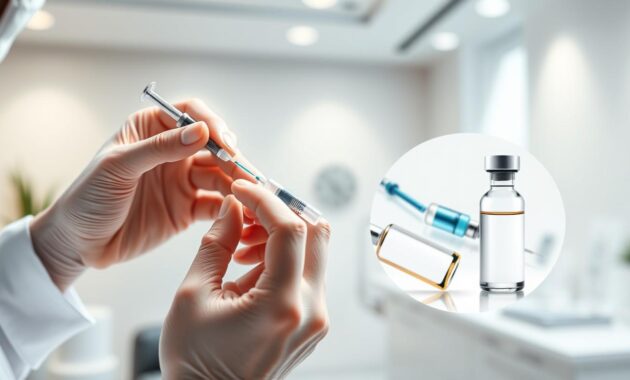
Step 1: Secure your base license—RN via NCLEX-RN, PA via ARC-PA and PANCE, physician via USMLE/COMLEX, or dentist via DDS/DMD boards. This credential is non-negotiable for safe practice.
Step 2: Enroll in an accredited training program that emphasizes hands-on training. Pick a course with live models, complication drills, and documented competence.
Step 3: Master facial anatomy, dosing, and safety protocols first. Techniques fall into place when you understand muscle action, vessels, and nerves.
- Observe experienced clinicians, assist, then perform botox injections under supervision until skills are consistent.
- Keep a skills log—doses, dilution, sites, and outcomes—and seek mentor feedback on technique and charting.
- Prioritize safety: rehearse complication protocols and expand cases gradually; start with forehead and glabella.
Final note: This guide is a practical map—layer education, hands-on training, and supervised experience, and you’ll build competence with confidence.
Certification and Credentials: Optional but Career-Boosting
A well-chosen certificate can speed hiring and open clinical opportunities. It’s not required in many states, yet it signals structured learning and assessed skill.
Honestly, I’ve seen clinicians move faster when they add clear credentials to their portfolio. Reputable bodies such as the American Academy of Facial Esthetics (AAFE) and the American Society for Aesthetic Plastic Surgery (ASAPS) offer recognized pathways. Look for programs that include anatomy, patient assessment, technique, safety, complication management, and hands-on practice.
Recognized providers and associations
Choose courses that issue competency verification. A certificate of competency gives hiring managers and medical directors practical proof of capability.
CareersForge’s Free Botox Injector Certification
CareersForge’s free career certification in Botox Injection is designed to complement your formal aesthetic training. It strengthens your professional profile by refining your résumé, building a credible portfolio, and shaping your personal story for interviews and patient trust.
While accredited clinical courses and hands-on patient experience remain essential, adding an official CareersForge certification helps you stand out in a competitive field. Optional credentials like this can often tip hiring decisions in your favor, especially when employers look for commitment and verified learning.
Make sure to prioritize live patient training and verified competency, and keep all certificates, continuing education (CE/CME) records, and treatment logs organized and accessible for audits and job opportunities.
Remember — certification alone doesn’t replace experience, but when paired with skill and integrity, it amplifies your readiness and professional credibility in the growing world of aesthetic medicine. replaces supervision or scope rules. Follow your license and local regulations as you grow.
Core Skills, Safety, and Techniques Every Injector Needs
Good technique starts with confident mapping of facial anatomy and honest practice under supervision. I’ve seen trainees improve fast when they pair short, focused drills with real cases.
Facial anatomy mapping and dosing strategies: learn muscle vectors, depth, and danger zones so dosing becomes logical. Start conservative. Use consistent dilution and mark sites before you inject.
Complication prevention and management protocols
Build a checklist: pre-screening, conservative dosing in high-risk areas, and clear post-care instructions patients will follow. Practice adverse-event drills—manage ptosis, bruising, or vascular signs calmly and quickly.
Product handling, storage, and documentation standards
Keep cold chain procedures and discard rules aligned with manufacturer guidance. Standardize reconstitution and syringe prep to reduce variability and boost safety.
- Document consent, photos, lot numbers, dilution, sites, and doses every visit.
- Refine tactile feedback during supervised training—angle, depth, and resistance matter as much as diagrams.
- Cross-train with dermal fillers in a controlled course so you understand synergy while staying within your scope and nursing limits.
Final note: prioritize safety, drill adverse responses, and keep tidy records. Those habits protect patients and let your skills scale with confidence.
Jobs, Salaries, and Career Growth in Aesthetics
Demand for noninvasive treatments has shaped clear career paths and steady hiring across clinics and med spas. I’ve seen this trend steady since 2010, and it matters when you plan your next move.
Where clinicians work
Most roles appear in medical spas, dermatology clinics, plastic surgery practices, and private offices. Teams in these settings support patient flow and offer mentored practice under a medical director.
Demand and earnings outlook
ASPS reports rising interest in noninvasive care for more than a decade. ZipRecruiter lists an average salary near $93,396 for Botox providers, though pay varies by state, setting, and title.
- Work settings: med spas, dermatology, and plastic surgery practices are the most common.
- Value drivers: documented results, patient education, and steady experience matter more than hype.
- Income tips: combine retail skincare and combo procedures to raise your overall earnings.
- Career ladder: start supervised, then grow into senior clinician, trainer, or clinical lead roles.
Hiring managers look for clean documentation, solid references, and proof you can manage consult-to-follow-up cycles. Keep investing in training and nursing-aligned communication—patients remember how you made them feel as much as the technical result.
Practical note: align with local programs and medical professionals in your area to stay current and capture opportunities in this growing industry.
Building Your Practice: Networking, Marketing, and Operations
Building a reliable practice starts with relationships and clear systems that protect patients and grow referrals. I’ve learned this by pairing hands-on apprenticeships with simple business routines that stop problems before they start.
Apprenticeships and mentorships give real-world experience far beyond lectures. Find a mentor who lets you assist, observe, and then perform procedures under supervision. Stack short workshops and targeted courses to keep skills fresh and expand your clinical judgment.
Plan the business side early. Choose an entity, set banking, secure insurance, and document consent and notes. These steps protect patients and preserve your reputation as an ethical professional.
- Keep a clean consent and documentation system before your first booking.
- Network with nearby professionals for referrals and co-management.
- Track acquisition costs and retention—serving loyal clients pays off faster than constant recruitment.
| Focus | What to set up | Quick win |
|---|---|---|
| Compliance | Insurance, written protocols, state scope checks | Standard consent templates |
| Training | Mentorship, courses, training program logs | Hands-on case log |
| Marketing | Website, patient education, social media | Clear FAQ on botox injections and recovery |
Digital presence matters. Use your site and social channels to teach, not just show before-and-afters. Explain expected outcomes, recovery, and safety. That builds trust and steady growth in your aesthetics career.
Conclusion
Confidence follows when licensed medical professionals match structured training with repeatable safety habits and team support. I’ve seen clinicians grow faster when they keep systems simple and habits consistent. This is a field where steady practice beats flashy shortcuts.
If you’re a registered nurses, nurse practitioner, PA, physician, or dentist, align your education with hands-on programs and courses that include supervision. Respect state regulations, document cases, and practice core techniques until they become second nature. Honest repetition builds judgement.
Optional certification from trusted bodies and CareersForge’s free career certification can sharpen your profile. Focus on fundamentals—sound anatomy, conservative dosing, calm complication management—and you’ll be ready to administer botox injections safely and advance your career in med spas, clinics, and surgical practices.
FAQ
What does an aesthetic injector do in the United States today?
Which licensed professionals can perform injections and what education do they need?
Where do licensed practical nurses and medical assistants fit into aesthetic teams?
Why do state regulations matter and how can I verify requirements?
What supervision models are common in med spas and clinics?
How does Colorado regulate injectors as an example?
What are the essential steps for entering aesthetic injections in 2026?
How important is hands-on training and clinical experience?
Are certifications required or optional for career growth?
Which organizations provide recognized certification and continuing education?
What core skills and safety protocols must injectors master?
How should injectors handle complications like bruising or vascular occlusion?
Where do aesthetic injectors typically work and what is the demand?
How can I build a practice and attract patients ethically?
What business and compliance items should new injectors prepare for?
How often should injectors pursue continuing education?

I’m Rodrigo Durães, founder of CareersForge — the world’s leading career platform — and recognized as one of the most comprehensive and experienced career and life coaches globally. With multiple academic degrees from the world’s top universities and over two decades of experience as a CEO, my mission is clear: to help people unlock their full professional potential through honest, strategic, and proven content.