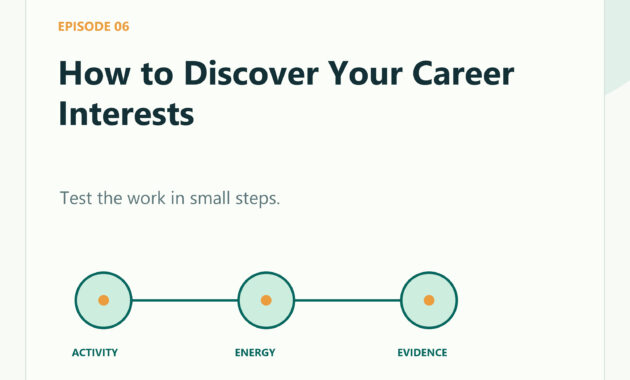

Unsure about which career direction to take? Instead of hunting for a perfect job title, start by identifying small work activities that engage you and test them with manageable tasks.
Key takeaways
- List a few activities that naturally hold your attention regardless of job titles.
- Compare job descriptions to find common tasks and practical work conditions.
- Try small, safe work samples to experience tasks firsthand without risk.
- Reflect on what aspects were engaging or draining and what skills you used.
- Use these steps to guide your next career exploration moves.
Focus on Activities, Not Job Titles
Begin by listing three work activities that you enjoy or that capture your interest, such as explaining ideas, solving problems, or organizing details. Concentrate on the activity itself rather than any job title, which can be misleading.
Research Job Descriptions for Common Tasks
Look at two to three current job descriptions involving your chosen activities. Highlight tasks that appear repeatedly and make note of practical factors like schedule, location, travel, and training requirements. These offer insight into a typical workday beyond the job title.
Test with Small, Safe Work Samples
Try a simple exercise related to the work, such as writing a guide or preparing a presentation. Keep it manageable, respect confidentiality, and find free or low-risk ways to try these tasks. Afterwards, write down what you enjoyed, what was tiring, and which skills you applied or want to develop.
One next step
Pick one small, realistic task related to your interests to try this week. Use what you learn to decide where to explore next in your career journey.
Continue with the source guide
Episode transcript
Machine-generated transcript; wording may contain errors.
Read the full transcript
Welcome to Careers Forge career field notes. This episode uses synthetic narration. When you are unsure which career direction fits, you do not have to choose a perfect job title today. Start by collecting a few small clues about the work itself. First, list three activities that tend to hold your attention. You might enjoy explaining ideas, solving practical problems, organizing details, helping people, or building something. Think about the activity, not the status of the job title. Next, compare two or three current job descriptions for roles that use those activities. Highlight tasks that appear more than once. Note practical conditions too, such as schedule, location, travel, and training. Repeated tasks can tell you more about a typical workday than a title alone. Then try one small, safe work sample. Write a short guide, organize a sample data table, prepare a simple presentation, or ask someone in the field what a normal week involves. Keep the exercise manageable, protect private information, and look for a free way to test the task first. Afterward, write down what held your attention, what felt draining, which skills you used, and what you would like to learn. One exercise cannot predict whether a career will fit. It can help you decide what to explore next. Careers Forge has a guide with more prompts for discovering your career interests. Find it in the show notes. Thanks for listening. Choose one small task you can test this week and keep what you learn.
Turn this episode into your next career move.
Bring your question to Ignis, or explore our practical career guides.