
Did you know that legitimate telecommute positions have grown by over 150% in the last five years? I’ve watched this landscape transform from a niche option to a mainstream career path.
Are you eligible for Remote Jobs?
Take this quick 30-second assessment to see if your profile matches our current open roles.
Question 1/3
What is your preferred work style?
Question 2/3
Do you have previous remote work experience?
Question 3/3
How soon can you start working?




Congratulations! 🎉
Based on your answers, you are highly qualified for our urgent roles.
Status: Priority Access Granted.
Scroll down to claim your spot in the Talent Pool!
What excites me most is the rise of certified opportunities. These roles offer real security and growth, not just a temporary setup.
This guide cuts through the noise. I’ve personally researched and vetted seven brilliant categories. Each one has a clear certification path that proves legitimacy to both you and employers.
Telecommuting isn’t just a trend anymore. It represents a fundamental shift in how we approach our careers. You can have flexibility without sacrificing advancement or stability.
My goal is simple: to help you find positions that won’t waste your time. Let’s build a meaningful career from your living room.
Apply For Remote Work Talent Pool
Skip the regular line. Join our exclusive hiring pool to apply for urgent roles and unlock your free assessment certificate.
Join Pool & Apply Now →Key Takeaways
- The telecommute landscape has matured, offering more secure and certified career paths than ever before.
- Certification adds crucial credibility, proving your skills and a role’s legitimacy to potential employers.
- Genuine opportunities provide clear structure, support, and real potential for long-term growth.
- This guide focuses on vetted categories with defined entry points, moving you past questionable offers.
- Whether you’re transitioning or seeking better balance, proven pathways exist for building a sustainable career.
- Safety in this field comes from understanding which roles have established training and professional recognition.
- The right position blends flexibility with the potential for advancement and financial stability.
Table of Contents
Introduction to Remote Jobs From Home
I’ve watched the conversation around telecommuting evolve from ‘if it works’ to ‘how we make it work better.’ This shift is driven by human needs and technology finally aligning.
It represents a fundamental change in how we think about productivity and career paths.
Why Telecommute Positions Are on the Rise
Modern tools allow teams to collaborate effectively from anywhere. I’ve seen companies embrace this for clear business benefits.
They tap into national talent pools and reduce office costs. Many report stable or increased output from distributed teams.
A recent global event accelerated adoption, proving this model’s viability to skeptics.
Benefits of a Home-Based Career
You gain back time previously spent commuting. That’s hours each week for family, hobbies, or rest.
You can design a workspace that suits you, which boosts focus. There are also direct financial savings on fuel, meals, and professional attire.
This flexibility creates meaningful opportunities for those who couldn’t access traditional office roles.
Top Criteria for Evaluating Remote Opportunities
Evaluating a telecommute role requires a different lens than a traditional office job. You’re not just assessing the tasks; you’re vetting the entire setup for safety and long-term growth.
Safety and Legitimacy Factors
Safety starts with verification. A legitimate employer provides clear company information and verifiable contact details. They never ask for money upfront for training or equipment.
I always research through multiple sources like LinkedIn and Glassdoor. Red flags include vague job descriptions and promises of unrealistic income.
Key Certification Benefits
Certification proves your commitment to professional standards. It validates your specific skills and provides a structured learning path.
Credentials from recognized bodies often lead to higher compensation. This accountability protects both workers and the employer.
Understanding the Remote Work Dynamics
Working outside a traditional office isn’t just about location—it’s a complete mindset shift. I’ve found the entire experience revolves around replacing casual, office-driven habits with intentional practices.
Communication becomes your most vital tool. You can’t rely on popping by a desk for a quick chat. Instead, you must clearly share updates and ask questions proactively. This discipline keeps a distributed team aligned and moving forward together.
You also become the architect of your own environment. This means actively designing a workspace and schedule that supports deep focus. Different types of work require different setups.
A customer-facing role needs reliable tech for clear calls. Creative tasks might need longer blocks of uninterrupted time. Understanding these nuances is key to thriving in a telecommuting position.
Success here ties directly to self-management. Without external structure, you build internal discipline. It’s a rewarding skill that translates to every part of your career.
Service Directory: Remote Jobs From Home Listings
I remember when searching for a home-based position meant sifting through vague listings. Today’s platforms offer precise filters that save you time. Modern service directories have evolved into sophisticated tools.
They help you find roles matching your needs for stability, flexibility, or experience-building. You can filter by employment type in an instant.

Full-time roles offer security. Part-time openings provide better balance. Internships are perfect for gaining that initial, crucial experience.
Location flexibility represents a major advantage. Some positions are open to candidates worldwide. Others require specific country residence for legal or tax reasons. The best directories clarify this upfront.
Filtering by experience level is equally vital. Newcomers can target entry-level roles requiring 0-2 years. Seasoned professionals can seek senior positions that leverage a decade of expertise.
| Filter Category | Common Options | Primary Purpose |
|---|---|---|
| Employment Type | Full Time, Part Time, Internship | Match work schedule and commitment needs |
| Experience Level | Entry-level (0-2 yrs), Mid-level, Senior (10+ yrs) | Align role requirements with your skill depth |
| Geographic Scope | Worldwide, United States, Europe, Country-Specific | Navigate legal and logistical location rules |
| Work Arrangement | Fully Remote, Hybrid, Remote & Hybrid mix | Clarify expected office presence and flexibility |
The best directories go beyond simple job titles. They share details on company culture and team structure. This transparency helps you understand the real day-to-day of a telecommute role.
I’ve seen the market shift toward this clarity. It separates genuine opportunities from poorly adapted ones. Use these filters to find a position built for success outside an office.
Customer Service and Support Remote Jobs
What makes a great customer service representative isn’t just knowledge—it’s the ability to connect through a screen. I’ve seen this role transform into a critical, multi-channel operation.
Today’s customer service professionals manage chat, email, and social media. They provide immediate support and build positive relationships from afar.
Key responsibilities include troubleshooting issues and processing orders. Representatives also explain features and document every interaction carefully.
This work offers a fantastic entry point into telecommuting. You get structured training and clear metrics. It builds communication skills that are valuable everywhere.
The best representatives balance empathy with efficiency. They find solutions that satisfy the individual customer while meeting team goals.
Specialized services have emerged, like technical support and client success management. These roles require deeper product knowledge and relationship skills.
I’ve learned that emotional intelligence is just as important as the tech stack. Successful support professionals develop resilience. They use tools like CRM systems to navigate each customer conversation effectively.
Remote Sales and Management Opportunities
Leading a team you rarely see in person tests your management philosophy in profound ways. I’ve learned that successful virtual management focuses on outcomes, not observation. It builds trust and clear accountability.
Sales roles translate beautifully to this format. The core skills of building relationships and closing deals work anywhere. Positions range from inside sales associates to account executives. These roles offer significant income opportunity through commission.
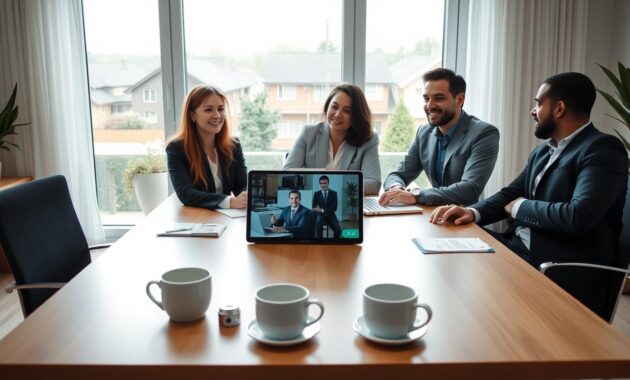
Success depends on mastering virtual tools and building rapport through a screen. Intentional client cultivation is key. You provide value with regular check-ins and persistent follow-up.
| Role Title | Primary Focus | Key Skills | Compensation |
|---|---|---|---|
| Inside Sales Associate | Inbound inquiries & qualification | Communication, product knowledge | Base + Bonus |
| Business Development Rep | Prospecting new clients | Outreach, resilience | Base + Commission |
| Account Executive | Full sales cycle & closing | Negotiation, solutions selling | Base + Higher Commission |
| Sales Manager | Leading distributed teams | Coaching, forecasting, recruitment | Salary + Team Bonus |
The manager role has evolved. It’s now about coaching and enabling a team from afar. Good management creates structure that provides freedom. Clear expectations meet personal autonomy.
This empowers diverse work styles within consistent company standards. It turns distance into a strength for the entire sales organization.
For instance, many work from home jobs for women focus on flexible hours, making it easier to manage household responsibilities while earning a full-time income.
If you want a structured environment with clear progression, don’t ignore the massive availability of amazon work from home jobs.
You can find incredible networking opportunities and remote career advice at Forbes Careers.
Specialized Roles: Data, Content, and Development
I’ve noticed a fascinating trend: the most sought-after telecommute positions now require deep expertise in specific domains. These specialized roles offer incredible stability and growth.
A data specialist transforms numbers into stories. They analyze datasets and build visual reports. This work drives key business decisions from anywhere.
Content creation spans writing, strategy, and management. A content specialist must understand SEO and audience psychology. They produce material that connects and converts.
In development, engineers build applications and systems. This role demands sharp problem-solving and clear communication. Success comes from self-direction and collaboration.
These fields often pay more because the skills are valuable and scarce. Each specialist path has a clear progression from contributor to leader.
| Role Category | Primary Focus | Essential Skills | Common Tools |
|---|---|---|---|
| Data Specialist | Transforming raw data into insights | Statistical analysis, visualization, communication | SQL, Python, Tableau |
| Content Specialist | Creating & managing written material | SEO, brand voice, audience psychology | CMS, SEO tools, Grammarly |
| Development Specialist | Building & maintaining software | Coding, problem-solving, collaboration | Git, IDEs, cloud platforms |
Whether serving an internal team or an external client, the work is consultative. You solve real problems, not just complete tasks. This makes a specialist career deeply rewarding.
Full Time, Part Time, and Internship Opportunities
Finding the right schedule for your telecommute career is about more than just clocking hours. I’ve seen professionals thrive when their work arrangement matches their life stage. The beauty lies in having real choices.
A full-time position typically means 40 hours each week. It comes with comprehensive benefits and deep team integration. This role requires primary professional commitment.
Part-time opportunities offer beautiful flexibility. They often involve 20-30 hours weekly. This setup works well for parents, students, or those with multiple income streams.
| Opportunity Type | Weekly Hours | Key Benefits | Ideal For |
|---|---|---|---|
| Full Time | 35-40 hours | Full benefits, career growth | Primary income seekers |
| Part Time | 15-30 hours | Flexibility, work-life balance | Students, caregivers, transition |
| Internship | Varies | Experience, mentorship, potential hire | Career starters, changers |
Internships provide invaluable entry points. They offer structured learning and real project work. Many lead directly to permanent job offers.
I’ve found time management becomes critical here. You must protect both work time and personal time. Clear boundaries prevent burnout.
The right arrangement depends on your current needs. Each position type offers a different path forward. Choose what fits your life right now.
Experience Levels and Skill Requirements
I’ve realized that the experience levels listed in telecommute postings aren’t just filters—they’re a roadmap to the skills you’ll truly need. Categories like 0-2 years or 5-10 years help you target a position matching your career stage.
These requirements are genuine skill indicators. An entry-level role offers more structure. A senior position expects independent problem-solving.
I’ve learned this work demands extra abilities. You need strong self-motivation and excellent written communication. Time management and tech adaptability are non-negotiable.
The critical skill is operating without constant oversight. You must prioritize tasks and solve problems creatively. Knowing when to ask for help is just as important.
Responsibilities scale with your experience. Junior roles handle defined tasks. Mid-level professionals manage projects. Senior leaders set strategy and mentor others.
Hard skills like software knowledge matter. But soft skills like communication weigh more heavily here. Successfully working from home is a valuable ability itself.
Your learning ability often matters more than current tool knowledge. Experience with async communication and virtual tools is increasingly prized.
The final test is your ability to create personal structure. You must maintain boundaries and sustain productivity independently. This separates those who thrive from those who struggle.
Optimizing Your Home Office Setup for Remote Success
The difference between thriving and merely surviving often comes down to the details of your daily surroundings. I’ve learned that your physical environment directly shapes your energy, focus, and professional output.
A dedicated space is the first non-negotiable. It tells your brain it’s time for deep work. Proper lighting and an ergonomic chair protect your health over long hours.

Your essential gear list is short but critical. Start with reliable high-speed internet and a quality computer. Add a supportive chair, a desk at the right height, and noise-canceling headphones.
Successfully working from home requires clear boundaries. Communicate your work hours to household members. A closed door should signal you are “at the office,” even when you’re at home.
I recommend creating distinct zones. Keep your work area strictly for professional tasks. This separation helps you mentally clock out at the end of the day.
The hour-by-hour experience improves with small comforts. Think about temperature control, plants, and personal decor. These touches reduce fatigue and boost satisfaction.
Many forward-thinking employers now offer a home office stipend. They invest in your environment because they know it impacts results. Start simple, but plan to upgrade your setup as your career grows.
Comprehensive Benefits and Perks in Remote Roles
A truly competitive telecommute offer extends far beyond just salary into a complete ecosystem of support. I’ve seen packages evolve to attract top talent globally.
These benefits address health, wealth, and personal wellbeing. They create security that lets you focus on your best work.
Insurance, 401(k), and Other Financial Perks
Strong insurance coverage forms the foundation. Comprehensive medical, dental, and vision plans protect your health.
Many company plans cover most premium costs. This includes family members too.
A 401(k) with matching is essentially free money for your future. I always advise maximizing this match first.
Life insurance and home office budgets are now common. They show an employer’s investment in your long-term stability.
Paid Time Off and Flexible Hours
Paid time off policies range from traditional accruals to unlimited vacation. The latter requires trust and a strong culture.
Flexible hours are a game-changer. You can structure your day around peak energy and family needs.
This autonomy respects your personal time. It leads to higher satisfaction and sustained productivity.
| Benefit Category | Key Features | Employee Impact |
|---|---|---|
| Health Insurance | Medical, Dental, Vision coverage | Financial security & wellness access |
| Retirement Planning | 401(k) with company match | Long-term wealth building |
| Time Off | Paid leave, unlimited options | Prevents burnout, supports rest |
| Work Flexibility | Adaptable schedules, location choice | Better work-life integration |
| Additional Perks | Learning budgets, retreats, stipends | Continuous growth & connection |
Forward-thinking company cultures offer learning stipends and mental wellness funds. These benefits help employees grow and thrive in their roles.
The best packages treat you as a whole person. They support every hour you contribute.
Navigating the Global Remote Work Landscape
Access to global talent pools has fundamentally rewritten the rules of where work happens. I’ve seen positions open to candidates from every continent. This includes specific opportunities in places like Santa Barbara and Santa Clara.
Your location choice now involves legal complexity. Tax obligations and data privacy rules vary by country. Some roles require proximity for occasional meetings.

Home-based positions have democratized access to top-tier roles. Talent in affordable areas can earn competitive pay. This creates a better quality of life for many employees.
Global team composition brings rich diversity. It requires cultural sensitivity and clear communication norms. Everyone must respect different holiday schedules.
| Location Factor | Description | Practical Impact |
|---|---|---|
| Legal Compliance | Tax laws and employment contracts vary by jurisdiction. | Determines where a company can legally hire you. |
| Time Zone Overlap | Needed hours for collaboration with the core team. | Affects meeting schedules and response time expectations. |
| Cost of Living | Salary value changes dramatically based on geographic location. | Enables strategic lifestyle choices and financial planning. |
The same salary supports different lifestyles in Santa Fe versus Southeast Asia. This creates unique opportunities for strategic living. Many employees now embrace a digital nomad lifestyle.
The role of geography continues to evolve. Companies test hybrid models and hub setups. This flexibility expands options far beyond your local work market.
Certification and Safety in Remote Jobs
Your safety and credibility in a distributed career hinge on two pillars: verified certification and diligent research. I’ve seen credentials transform uncertainty into confidence for both professionals and companies.
A strong certification program provides official proof of your skills. It differentiates you in a crowded market and often leads to better pay. Employers recognize this information as a mark of real competence.
Safety starts with verifying every employer. Check their details on LinkedIn and Glassdoor. Consistent information across sources builds trust.
Be wary of services that promise too much too fast. Legitimate job offers never ask for payment. Your intuition is a powerful tool here.
Reputable employers provide secure systems for data. They have clear policies for handling sensitive information. This protects everyone involved.
The right solutions include trusted industry credentials. These services set professional standards and create a common language. They offer portable value across your entire career.
Ultimately, certification is more than a one-time job requirement. It represents an ongoing commitment to quality service. This mindset builds lasting safety and opens doors to better solutions and services.
Strategies for a Successful Remote Job Application
I’ve seen too many talented professionals miss out because their applications didn’t speak the language of remote hiring. Your resume must be tailored for each specific position. Generic materials get lost in global talent pools.
Highlight any experience with self-direction and written communication. Even informal examples prove you understand this role. For customer-facing representative jobs, emphasize patience and problem-solving.

Demonstrate tech proficiency with tools listed in the description. Your cover letter should show deep company research. It must prove you can contribute from day one, despite the distance.
Prepare meticulously for video interviews. Test your lighting and camera angle beforehand. For manager jobs, translate leadership into virtual trust-building and feedback.
Use concrete metrics for service roles. Numbers like satisfaction scores show real impact. Client-facing positions require showcasing virtual relationship skills.
Take any work sample assessments seriously. They differentiate candidates more than resumes ever can. This final step often decides who gets the role.
Staying Competitive in the Remote Work Environment
I’ve learned that long-term success outside an office depends on a simple, daily habit: intentional growth. The landscape shifts fast, and standing still means falling behind.
Many forward-thinking employers now include learning budgets in their benefits. This investment supports your continuous development and skill enhancement.
Continuous Learning and Training
Ongoing training is non-negotiable. Technology and best practices evolve rapidly. I’ve found that dedicating time to courses or certifications keeps your skills sharp.
This work on yourself compounds. Your experience with new tools and methodologies makes you more effective. That increased value is clear to any team.
Effective Remote Team Integration
Integrating into a distributed team requires deliberate effort. You must participate actively in virtual meetings and chat channels.
Building genuine relationships beyond tasks is crucial. Volunteer for cross-functional project work. This exposes you to new challenges and builds vital experience.
Your visibility matters in a digital environment. Share knowledge and document solutions. This establishes your reputation as a contributor.
| Focus Area | Key Action | Expected Outcome |
|---|---|---|
| Skill Development | Use learning stipends for courses & certifications | Maintain cutting-edge relevance & increase value |
| Team Collaboration | Actively engage in virtual channels & meetings | Build trust, strengthen relationships, improve cohesion |
| Project Selection | Volunteer for challenging, cross-functional initiatives | Accelerate experience gain & demonstrate initiative |
| Personal Visibility | Share insights & document solutions publicly | Establish strong personal brand & recognized impact |
Staying competitive is an active pursuit. Choose your projects wisely and communicate your achievements. This ensures your work is seen and valued.
Conclusion
The journey toward a fulfilling career no longer requires a daily commute. I’ve shared these seven categories because I’ve seen them build real, sustainable professional paths.
The landscape for telecommute positions continues to expand. Companies now value talent and results over physical presence. This creates genuine pathways for various experience levels.
Success in this arrangement depends on honest self-assessment and disciplined strategy. It offers distinct advantages for those who thrive with autonomy.
Ultimately, this represents a profound opportunity. You can design a professional life around your priorities. That flexibility can build a meaningful career from anywhere.
FAQ
How can I tell if a work-from-home job is legitimate and safe?
What are the biggest benefits of a remote role?
Do I need a special certification to get a remote job?
What kind of home office setup do I really need?
How do I stay connected with my team when working from home?
Are there full-time remote jobs with benefits like insurance?
What skills are most important for remote work success?

I’m Rodrigo Durães, founder of CareersForge — the world’s leading career platform — and recognized as one of the most comprehensive and experienced career and life coaches globally. With multiple academic degrees from the world’s top universities and over two decades of experience as a CEO, my mission is clear: to help people unlock their full professional potential through honest, strategic, and proven content.