
Are you ready to break the myth that accounting is all about endless spreadsheets and boring numbers? The world of accounting has changed a lot. Now, it offers new chances for creativity and making big impacts.
Today’s accounting world needs more than just basic skills. You must work with new tech, use data to make smart decisions, and give insights that help businesses grow. Knowing what’s real about accounting careers means seeing how it’s always changing.

Accounting careers now open doors to exciting growth. Those who keep learning, adapt to new tech, and stay open to change will lead the way in this changing field.
Our guide will dive into the wide world of accounting. We’ll show you paths that go beyond what you might think. You’ll learn about the skills, tech, and strategies that lead to success in today’s accounting world.
Table of Content
Table of Contents
The Evolution of Modern Accounting Profession
The accounting field has changed a lot in recent years. It’s no longer just about numbers. Now, it’s a dynamic career with many opportunities.


Accountants today do more than just bookkeeping. They give strategic advice and use new technologies. This has made their job more complex and interesting.
From Transactional to Strategic Roles
Modern accountants don’t just work with spreadsheets. Their jobs have grown to include:
- Financial strategy development
- Business performance analysis
- Risk management consulting
- Technology integration advisory
Digital Transformation Impact
New technologies have changed accounting. Artificial intelligence, machine learning, and data analytics help accountants give better insights. They can predict business trends now.
Today’s accountants need to know both finance and technology. They must be good with digital tools, data, and strategy.
Industry Landscape Insights
The 2025 State of Tax Professionals Report by Thomson Reuters Institute shows a big change. Accounting firms are focusing on digital growth, client service, and new tech. This is to stay ahead in the market.
Essential Skills and Qualifications for Success in Accounting
The world of accounting has changed a lot in recent years. Today, accountants need more than just numbers. They must also be good at working with people and using technology.
Now, accounting education focuses on many important areas:
- Advanced financial analysis
- Data analytics and visualization
- Cloud computing technologies
- Robust communication skills
- Strategic business thinking
Employers want people who can use technology well and think critically. Being able to understand complex financial data and offer strategic advice is key.
| Skill Category | Key Competencies | Importance Level |
|---|---|---|
| Technical Skills | Financial Software, ERP Systems | High |
| Analytical Skills | Data Analysis, Predictive Modeling | Critical |
| Soft Skills | Communication, Problem-Solving | Essential |
To keep up, professionals must always learn new skills. Getting certifications like CPA, CMA, and tech-specific ones can really help your career in accounting.
Technology’s Role in Reshaping Accounting Careers
The accounting world is changing fast thanks to technology. New tools are making accounting jobs more exciting and opening up new career paths. Digital innovations are changing how financial experts work and add value to companies.
Today, accountants do more than just numbers. They need to be tech experts who use the latest tools to help businesses make smart choices.
Artificial Intelligence and Automation
AI is making accounting work easier by automating simple tasks. Some key changes include:
- Automated data entry and reconciliation
- Intelligent compliance checking
- Predictive financial analysis
- Risk assessment algorithms
Cloud Computing and Data Analytics
Cloud tech is changing how we handle financial data. Now, professionals can:
- Get real-time financial info
- Work together easily with teams worldwide
- Keep data safe with strong security
| Technology | Impact on Accounting | Career Opportunities |
|---|---|---|
| AI Automation | Makes routine tasks easier | More chances for leadership roles |
| Cloud Computing | Improves data access | More remote work options |
| Data Analytics | Provides deeper financial insights | More advisory roles |
Emerging Technical Tools
Accountants need to learn about specialized software and digital tools for advanced financial analysis. Skills in blockchain, machine learning, and analytics are key for career growth.
By adapting to these new technologies, accountants can move from just handling numbers to being key business strategists. This helps companies succeed.
Which of the Following Is True About Accounting Careers

Accounting careers have changed a lot in recent years. People looking into accounting careers will find a field that’s not just about numbers anymore.
The modern accounting job is all about technology and strategy. No more old-school ledgers and calculators. Today, accountants are key players in business, using the latest tech and analysis to help companies succeed.
- Technology has reshaped accounting career paths
- Strategic thinking is now key in finance
- Data analytics skills are more valuable than ever
Key insights into today’s accounting careers show a few important truths:
- Accountants are not just number trackers
- Digital changes have opened up new career paths
- Soft skills are just as important as technical skills
Exploring accounting careers, you’ll see a field full of chances for growth and making a difference. Being able to understand financial data, offer insights, and keep up with tech changes is essential in today’s accounting roles.
Getting to know accounting careers means seeing how they’ve moved from simple bookkeeping to a modern, tech-based field. This field offers great chances for personal and professional growth.
High-Demand Specializations in Modern Accounting
The world of accounting is changing fast, opening up new paths for those eager to explore. Today, accounting jobs are not just about numbers. They involve technology, analytics, and strategic thinking.
There are many ways for accounting pros to build exciting careers. The field needs skills that go beyond just financial reports.
Forensic Accounting: Uncovering Financial Mysteries
Forensic accountants are key in solving financial crimes and legal issues. They use their financial knowledge and detective skills to:
- Detect financial fraud
- Analyze complex financial records
- Provide expert testimony in legal proceedings
ESG Accounting: Driving Sustainable Business Practices
ESG accounting is all about making businesses more sustainable. Experts in this area help companies:
- Measure sustainability performance
- Report on social responsibility initiatives
- Develop strategic environmental strategies
Digital Accounting: Navigating Technological Frontiers
Digital accounting is changing how we manage finances with new tech. These experts are skilled in:
- Machine learning data analysis
- Blockchain transaction tracking
- Cloud-based financial systems
These specializations are shaping the future of accounting. They offer exciting job opportunities and a promising career outlook.
| Specialization | Key Skills | Average Salary Range |
|---|---|---|
| Forensic Accounting | Investigative Analysis, Legal Knowledge | $70,000 – $120,000 |
| ESG Accounting | Sustainability Reporting, Data Analysis | $65,000 – $110,000 |
| Digital Accounting | Tech Skills, Data Management | $75,000 – $130,000 |
Career Growth and Advancement Opportunities
Getting ahead in accounting needs smart planning and always learning new skills. Those in accounting can find many ways to grow by knowing the changing career paths.
Successful paths in accounting include a few main steps:
- Getting good at specific areas of accounting
- Getting advanced certifications
- Building a strong professional network
- Learning about new technologies
New accountants can speed up their growth by learning key skills. Strategic upskilling is key to moving up from entry-level to higher roles. This might mean getting better at data analysis, learning about new financial tech, or mastering complex reports.
Career growth in accounting can take different paths:
- Technical Specialist Track
- Forensic Accounting
- Tax Advisory
- Financial Risk Management
- Management Leadership Path
- Financial Controller
- Chief Financial Officer
- Accounting Department Director
Those who keep learning will find the best paths in accounting. Being flexible, embracing new tech, and knowing a lot about finance are essential for lasting success.
Salary Expectations and Compensation Trends
Understanding accounting careers means knowing about different pay levels at each stage. Job descriptions show that accounting offers great pay that grows as you advance.
The outlook for accounting careers is strong, with good money for those who keep learning. Pay in this field goes beyond just a salary. It includes many financial benefits.
Entry-Level Positions: Building Your Financial Foundation
New graduates in accounting can look forward to good starting pay. Early jobs usually offer:
- Average annual salary range: $50,000 – $65,000
- Performance-based bonuses
- Opportunities for growth
- Chance for quick pay increases
Mid-Career Earnings: Expanding Professional Value
As you gain more experience and skills, your pay will rise. Accounting pros with 5-10 years of experience can see big pay hikes. This depends on your skills and the industry.
Senior-Level Compensation: Peak Earning
Top accounting pros with advanced skills and knowledge get high pay. Leading roles in finance can bring in big money through:
- Salaries over $120,000
- Bonuses for performance
- Profit-sharing
- Executive pay
Those who keep learning and stay up-to-date with tech will find the best jobs and pay.
Work-Life Balance in Accounting Careers

Accounting jobs have changed a lot in recent years. They now focus more on employee happiness and flexible work hours. This shift is away from long hours and stress.
How well accounting jobs balance work and life varies. It depends on the job and the company culture. Small and midsize firms are at the forefront. They create supportive work places to draw in the best talent.
- Flexible scheduling options
- Remote work opportunities
- Mental health support programs
- Comprehensive wellness initiatives
Strategic firms know that tired accountants are not as good at their jobs. They’re making changes. These changes help accountants grow in their careers while keeping their personal lives in check.
| Accounting Role | Work-Life Balance Rating | Typical Flexibility |
|---|---|---|
| Corporate Accounting | High | Consistent hours, predictable workload |
| Public Accounting | Medium | Seasonal variations, project-based work |
| Forensic Accounting | Low-Medium | Intense periods, case-dependent schedules |
Accounting pros who do well know how to balance work and life. They set limits, use tech to work smarter, and take care of themselves. These steps are key to being happy and successful in their careers.
Industry Challenges and Future Outlook
The accounting world is at a turning point, facing big challenges that are changing job opportunities. Digital changes, complex rules, and new tech are making the field exciting and demanding.
Some major hurdles for accounting careers include:
- Rapid technological integration
- Enhanced data security requirements
- Evolving regulatory environments
- Growing demand for specialized skills
Artificial intelligence and automation are changing how we do accounting. Professionals must adapt quickly to remain competitive. The best accountants will learn to use new tech, focusing on strategy and advice.
| Challenge | Impact on Accounting Careers | Required Adaptation |
|---|---|---|
| AI Integration | Reduced manual tasks | Advanced technical skills |
| Regulatory Changes | Increased compliance complexity | Continuous learning |
| Data Security | Critical risk management | Cybersecurity knowledge |
Despite the hurdles, there are also great opportunities for those who think ahead. To succeed, you need to learn new tech, stay ethical, and be flexible.
Professional Certifications and Continuing Education
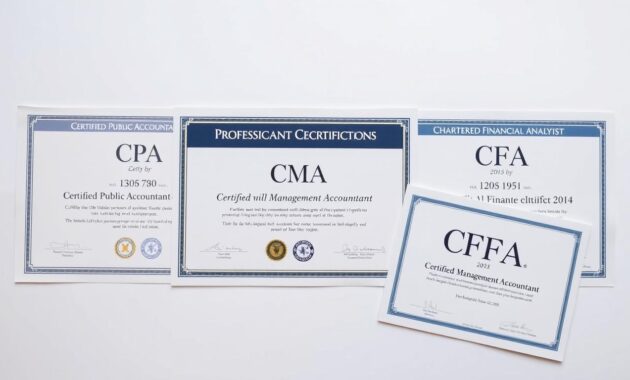
Getting ahead in accounting is not just about knowing numbers. It’s about having the right certifications and education. These things help you stand out in a crowded job market. By always learning, you can build a strong career path.
The world of accounting is always changing. To succeed, you need to keep learning. It’s not just about passing a test; it’s about a lifelong journey of growth.
CPA Requirements: The Gold Standard
The Certified Public Accountant (CPA) is the top honor in accounting. To get it, you must:
- Finish 150 semester hours of accounting courses
- Pass the four-part CPA exam
- Gain certain work experience hours
- Meet your state’s licensing rules
Additional Valuable Certifications
There are more certifications that can boost your career:
- Certified Management Accountant (CMA): Deals with financial management and planning
- Certified Internal Auditor (CIA): Focuses on internal audits
- Certified Information Systems Auditor (CISA): Concerns technology and information systems audits
Professional Development Strategies
Seeing certifications as more than just papers is key. They show you’re always learning and ready for change. Employers look for people who keep growing their skills.
Getting certified shows you’re serious about being the best. It sets you up for a successful career.
Building a Successful Career Path in Accounting
Exploring accounting career paths needs careful planning and knowing different job roles. By focusing on career growth, you can find amazing opportunities.
Successful accountants know the value of learning and being flexible. Your career path is shaped by skills, networking, and making smart choices.
- Identify your unique strengths in accounting job roles
- Develop specialized technical skills
- Build a robust professional network
- Pursue relevant certifications
Looking into various accounting paths can open doors in many fields. Big firms now offer more services, like planning and consulting.
| Career Stage | Focus Areas | Recommended Actions |
|---|---|---|
| Entry-Level | Technical Skills | Master core accounting principles |
| Mid-Career | Specialization | Develop expertise in niche areas |
| Senior Level | Strategic Advisory | Transition to leadership roles |
Strategic career development is about creating a personalized roadmap that aligns with your professional aspirations and market demands.
Whether you want to be a partner or start your own business, success in accounting needs purposeful growth. It also requires ongoing learning and being ready for new trends.
Conclusion
The world of accounting careers has changed a lot in recent years. When looking into accounting careers, people find a field full of new ideas and chances. Technology has changed old roles and made new paths for skilled workers.
Today, accountants do more than just numbers. The future of accounting shows a shift towards strategic advice, thanks to tech like AI and data analytics. To succeed, professionals need to keep learning, be flexible, and have skills that go beyond just numbers.
Being strategic, tech-savvy, and always learning defines today’s accountant. There are many career paths, from forensic accounting to ESG reporting. Those who keep learning and stay open to new trends will find great opportunities.
As things change, accountants lead in financial innovation. The future is for those who mix technical skills with strategic thinking. Your accounting career is as big as your desire to learn, adapt, and take on new challenges.
FAQ
What makes modern accounting careers different from traditional roles?
What key skills are essential for success in accounting today?
What are some emerging specializations in accounting?
How important are professional certifications in accounting?
What is the career growth in accounting?
How is technology impacting accounting careers?
What are the salary expectations in accounting?
What work-life balance can I expect in an accounting career?
What challenges are currently facing the accounting industry?
How can I prepare for a successful accounting career?

I’m Rodrigo Durães, founder of CareersForge — the world’s leading career platform — and recognized as one of the most comprehensive and experienced career and life coaches globally. With multiple academic degrees from the world’s top universities and over two decades of experience as a CEO, my mission is clear: to help people unlock their full professional potential through honest, strategic, and proven content.