
Feeling confused about what to wear to work? The world of dress codes can be overwhelming. It’s hard to tell the difference between business casual and smart casual office attire.
Today, workplace fashion is more complex than ever. Dress codes have changed a lot, moving away from the old suit-and-tie rules. Knowing the difference between business casual and smart casual is key to your professional image.
Imagine walking into a meeting feeling confident. You know your outfit is both professional and stylish. This guide will help you understand modern office dress codes. You’ll learn what to wear in different professional settings.
Your clothes say a lot before you even speak. Whether you’re interviewing, meeting with clients, or just going to work, your outfit matters. It shows your professionalism.
We’ll explain the main differences between business casual and smart casual. You’ll get clear guidelines to help you choose what to wear. Get ready to improve your professional style and boost your career.
Table of Contents
Understanding Modern Dress Codes in the Workplace

The world of professional clothes has changed a lot in recent years. What was once strict corporate fashion has become more flexible. Knowing these changes helps people understand today’s dress codes at work.
The Evolution of Office Attire
Casual work clothes started in the 1960s. The old suit-and-tie look softened with “Casual Fridays” in tech jobs. By the 1990s, business casual became common, changing how we see work clothes.


- 1960s: First appearances of relaxed workplace dress codes
- 1990s: Tech industry popularizes business casual
- 2000s: Widespread adoption across different sectors
Why Dress Codes Matter Today
Dress codes are important in work today. They show respect, skill, and understanding of work culture. Even with more relaxed rules, choosing the right clothes is key.
Impact on Professional Image
Your clothes say a lot before you speak. A good professional wardrobe shows you’re credible and detail-oriented. It shows you get the work culture, whether in a startup or big company. Knowing dress codes is a vital skill for your career.
Defining Business Casual: A Complete Guide
Figuring out business casual vs smart casual can be hard for professionals. It’s a middle ground between formal and casual clothes. This style is perfect for a relaxed workplace.
Business casual is all about being flexible yet looking professional. It lets men ditch traditional suits but keeps the style classy. The right mix of elements makes for a great work outfit.
- Blazers and sport coats provide structure
- Dress shirts in solid or subtle patterns work best
- Chinos or well-pressed trousers replace formal suit pants
- Leather dress shoes or clean, sophisticated loafers complete the outfit
To get business casual right, focus on fit and quality. Clothing should never look too casual or too loose. Clothes that are crisp and clean show you’re serious about your job.
| Business Casual Item | Recommended Style | Avoid |
|---|---|---|
| Shirts | Button-down, collared shirts | T-shirts, graphic prints |
| Pants | Tailored chinos, wool trousers | Denim jeans, cargo pants |
| Footwear | Leather oxfords, clean loafers | Sneakers, sandals |
More workplaces are adopting business casual as a dress code. Knowing these guidelines helps you dress well and show your style at work.
Business Casual vs Smart Casual: What’s the Real Difference?
Finding the right dress code can be hard for professionals. It’s all about finding a balance between looking good and fitting in. Knowing the difference between business casual and smart casual helps you choose the right clothes for any occasion.
Today, dress codes have changed a lot. There’s a big difference between business casual and smart casual. Each style has its own rules for different places.
Key Distinguishing Features
The main difference between business casual and smart casual is how formal they are:
- Business casual is more structured and professional
- Smart casual lets you show your personal style
- Business casual has more traditional work clothes
- Smart casual is more relaxed and modern
Appropriate Settings for Each Style
| Dress Code | Recommended Settings | Key Characteristics |
|---|---|---|
| Business Casual | Corporate offices, client meetings, professional conferences | Pressed slacks, collared shirts, blazers, minimal accessories |
| Smart Casual | Creative workplaces, networking events, semi-formal gatherings | Tailored jeans, stylish tops, statement accessories, layered looks |
Making the Right Choice
Choosing the right clothes depends on the situation and what’s expected. Think about where you are, who you’re with, and the work environment. This helps you decide between business casual and smart casual.
Always choose dress codes that show respect for the place and let you be yourself. The goal is to look good and feel comfortable in your appropriate attire.
Essential Elements of Business Casual Attire

Creating the right office attire means knowing the basics of business casual. It’s a mix of professional clothes and comfy workwear. The right mix boosts your professional look while keeping you comfy all day.
Business casual outfits usually include a few key pieces:
- Blazers in neutral colors like navy, charcoal, or khaki
- Crisp dress shirts with subtle patterns or solid colors
- Well-fitted chinos or tailored trousers
- Leather dress shoes or clean, polished loafers
Choosing the right fabric is important in office attire. Go for high-quality materials that keep their shape and look good. Cotton, wool blends, and lightweight gabardine are great for business casual. The goal is to find clothes that look good but feel comfy all day.
Colors are also key in professional clothes. Stick to:
- Neutral tones like gray, navy, and khaki
- Muted blues and greens
- Soft earth tones
- Occasional subtle patterns
Fit is the most important thing in business casual clothes. Clothes should fit well but not be too tight. They should allow you to move freely while looking polished. It’s smart to invest in pieces that can be mixed and matched to create many outfits.
Smart Casual Decoded: Style Guidelines and Rules
Smart casual is a dress code that’s both stylish and easy to wear. It’s a mix of formal and casual, perfect for work. Knowing how to dress smart casual is important for looking good and feeling comfortable.
Smart casual lets you show your personal style while looking professional. It’s all about finding the right balance between looking good and feeling at ease.
Acceptable Garments for Smart Casual
Building a smart casual wardrobe means choosing versatile pieces. These are items you can wear in different ways:
- Dark wash jeans (no distressing)
- Tailored chinos
- Polo shirts
- Button-down shirts
- Lightweight blazers
- Sweaters and cardigans
Color Coordination Tips
Colors are key in smart casual. Choose a color scheme that looks planned:
| Color Strategy | Recommended Approach |
|---|---|
| Neutral Base | Navy, gray, khaki, white |
| Accent Colors | Soft blues, burgundy, forest green |
| Avoid | Overly bright or neon shades |
Accessorizing Smart Casual
Accessories can make a smart casual outfit stand out. Go for simple, elegant pieces that match your outfit. Think leather belts, classic watches, and simple jewelry. These add a touch of class to your casual look.
Need Visual Inspiration? Theory is good, but examples are better. Check out real-world Business Casual Dress Code Examples to see these differences in action.
Back to Basics: To master the core style, always refer back to our definitive guide: What Is Business Casual for Men?.
Mastering Color Palettes in Both Styles

Choosing colors in corporate fashion is all about understanding what’s right. Colors help show who you are and what you know about your job. They’re key to making a good first impression.
Every dress code has its own color rules. Business casual is about calm colors, while smart casual lets you be more creative.
- Business Casual Color Recommendations:
- Navy blue
- Charcoal gray
- Tan and beige
- Muted earth tones
- Smart Casual Color Options:
- Brighter blues
- Soft pastels
- Burgundy
- Forest green
Think about your workplace when picking colors. Some places are okay with bold colors, while others want you to stick to the basics.
| Dress Code | Color Strategy | Visual Impact |
|---|---|---|
| Business Casual | Neutral, understated | Professional, controlled |
| Smart Casual | Varied, expressive | Creative, adaptable |
Pro tip: Don’t forget about fit and comfort. The perfect color can be ruined by clothes that don’t fit right.
Footwear Guidelines: From Oxford to Loafers
Choosing the right shoes is key to a polished look. Your shoes say a lot about your style and what you know about work clothes.
Finding the perfect shoes means thinking about style and where you work. Different places need different shoes. You want to look professional but also show your style.
Business Casual Shoe Options
In business casual, leather shoes are the best choice. Here are some great options:
- Leather Oxford shoes in neutral colors
- Dark brown or black leather loafers
- Polished derby shoes with minimal detailing
- Sleek leather brogues
Smart Casual Footwear Choices
Smart casual means you can pick from more shoes. Here are some good picks:
- Clean, minimalist leather sneakers
- Suede desert boots
- Leather Chelsea boots
- Refined driving moccasins
What to Avoid
Some shoes can ruin your professional look. Avoid these:
- Worn-out or scuffed shoes
- Athletic sneakers
- Flip-flops or sandals
- Overly decorated or flashy footwear
Pro tip: Invest in quality shoe care products to maintain your footwear’s appearance and extend its lifespan.
Smart casual is often the most confusing code because it blends two opposites. MasterClass defines smart casual as a style that combines well-fitting, polished business wear with elements of casual comfort, like clean sneakers or dark denim.
Accessorizing: The Fine Line Between Both Styles
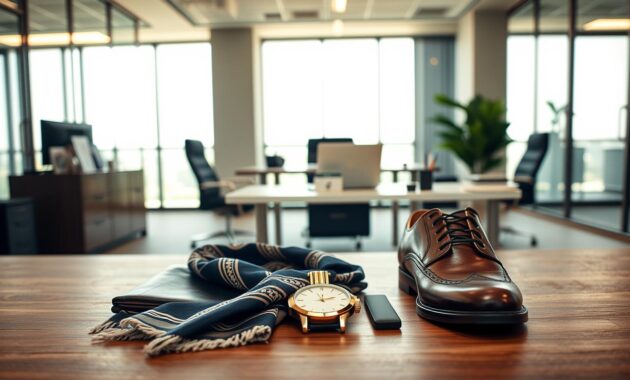
Accessorizing in corporate fashion is all about finding the right balance. Wardrobe guidelines help professionals blend personal style with professional look.
Accessories can make an outfit stand out. In business casual, aim for simple yet elegant. Choose classic watches, simple leather belts, and jewelry that adds a touch of class without being too bold.
- Watches: Opt for timeless designs with leather or metal bands
- Belts: Go for high-quality leather in neutral colors
- Jewelry: Pick subtle pieces that enhance your outfit
Smart casual gives you room to show your personality. You can try bolder accessories that reflect your style while staying polished. A bold watch, a vibrant pocket square, or unique cufflinks can add flair without being too casual.
Here are some key rules for corporate fashion accessories:
- Quality is more important than quantity
- Match metals and leather colors
- Stay professional and simple
The right accessories show confidence and care for detail. They’re the finishing touches that complete your professional look and leave a lasting impression.
Seasonal Considerations for Both Dress Codes
Choosing the right casual workwear for each season is key. It’s about looking good and feeling comfortable, no matter the weather. Professionals need to plan their outfits carefully to stay stylish and cozy.
Summer Strategies for Professional Dressing
Summer means light, cool clothes that look professional. Here are some tips:
- Opt for lightweight cotton or linen blazers
- Choose breathable dress shirts in light colors
- Select moisture-wicking fabrics
- Embrace lighter-weight chinos and tailored shorts
Winter Wardrobe Modifications
In winter, it’s all about layering for warmth and style. This way, you can stay comfortable and look good.
| Winter Layer | Professional Style | Recommended Fabric |
|---|---|---|
| Base Layer | Thin Merino Wool Sweater | Wool Blend |
| Mid Layer | Structured Blazer | Wool/Cashmere |
| Outer Layer | Tailored Overcoat | Heavy Wool |
Transitional Season Tips
Spring and autumn need clothes that can handle changing weather. Lightweight jackets and versatile sweaters are perfect for these seasons.
- Layer with lightweight cardigans
- Select versatile long-sleeve shirts
- Invest in convertible pieces
- Use accessories like scarves for temperature control
Professional dressing is all about adapting. Knowing how to adjust your wardrobe for each season helps you stay stylish and comfortable all year.
Common Mistakes to Avoid in Both Styles
Dress codes can be confusing, even for those who know them well. Choosing the right office attire is key to looking polished and fitting in. Knowing the difference between business casual and smart casual can help you avoid fashion faux pas.
There are certain mistakes that can hurt your professional image. Here are some common ones to watch out for:
- Wearing overly casual items like athletic sneakers or ripped jeans
- Neglecting proper fit and tailoring of clothing
- Choosing inappropriate fabrics for professional settings
- Misinterpreting the level of casualness allowed
Fit is essential in office attire. Clothes that don’t fit right can make even the most expensive items look bad. Clothes that are too big, too tight, or too short can ruin your look. Getting your clothes tailored is a good investment to make sure they fit well.
Choosing the right colors and fabrics is also important. Dark, neutral colors are usually best for work. Avoid bright colors or loud patterns that might be distracting. Opt for materials like wool, cotton, and subtle blends that keep you looking sharp.
Dress codes can vary a lot depending on the industry. What’s okay in a creative company might not be right in a traditional office. Always pay attention to your workplace culture and adjust your clothes to fit in.
Tips for Building a Versatile Wardrobe
Building a versatile wardrobe for work means planning smart and making good choices. It’s about picking items that fit both business casual and smart casual settings.
Begin with the basics that can be mixed and matched. Stick to colors like navy, gray, and khaki. These colors work well together. Also, choose quality materials and classic designs. This way, your clothes will stay stylish and useful for years.
- Choose multi-purpose blazers in neutral tones
- Invest in well-fitted dress shirts
- Select versatile chinos and dark-wash jeans
- Pick classic leather shoes that work across styles
Smart people know a few key pieces can make many outfits. Look for items that can be dressed up or down with just a few changes.
Your wardrobe strategy should focus on:
- Versatility over quantity
- Quality over trendy designs
- Comfort without sacrificing professionalism
- Pieces that reflect personal style
By following these tips, you’ll have a wardrobe that looks great in any situation.
Conclusion
Understanding the difference between business casual and smart casual is more than just fashion. It’s about showing you’re professional, adaptable, and aware in today’s work world.
What you wear says a lot before you even speak. The right clothes can make you feel more confident and make a good first impression. They show you know what’s expected at work.
Knowing how to dress for different work settings is key. It’s about being able to change your look for different situations. You can show your style while staying professional.
Dress codes are about showing respect. Respect for your job, your colleagues, and your industry’s standards. With this guide, you can make choices that help your career and personal brand.
FAQ
What’s the primary difference between business casual and smart casual?
Can I wear jeans in a business casual environment?
How do I know which dress code to follow?
Are sneakers appropriate in smart casual dress codes?
What colors are most appropriate for business casual and smart casual?
How important is fit in these dress codes?
Can accessories make a difference in these dress codes?
How do seasonal changes affect these dress codes?
Are there universal no-nos for both dress codes?
How can I build a versatile wardrobe that works for both styles?

I’m Rodrigo Durães, founder of CareersForge — the world’s leading career platform — and recognized as one of the most comprehensive and experienced career and life coaches globally. With multiple academic degrees from the world’s top universities and over two decades of experience as a CEO, my mission is clear: to help people unlock their full professional potential through honest, strategic, and proven content.