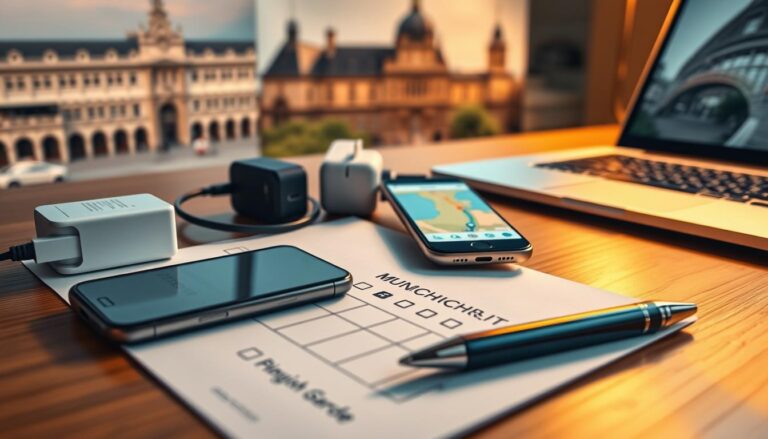
Have you ever landed somewhere that felt easy — until your phone, charger, or local card let you down?
I remember the moment I realized Munich rewards prepared travelers: the city is straightforward, but your phone setup can make or break your first 48 hours. I learned that lesson the hard way, and honestly, it changed how I plan every trip.
In this short guide I set clear expectations for U.S. visitors: plug standards, data plans, transit apps, and how to avoid common connectivity and payment surprises. I frame this as an Ultimate Guide with a tech-first backbone and promise five safety-forward tips I’ve used personally.
This is for career-focused professionals, students, and busy travelers who want a smooth visit without over-planning every minute. I also include a free PDF checklist you can use the night before you fly and on your first day in the city.
Next: the best time to go, how to get around, where to stay, can’t-miss sights, and the food and beer moments that feel genuinely local.
Table of Contents
Why Munich Is Worth the Trip for U.S. Visitors
My first walk through the old town made me realize this city balances scale and comfort in a rare way. It feels like a major hub and a neighborhood at once.
Bavarian life beyond festivals
Bavarian culture appears in daily rituals: morning markets, regional food, and quiet pride that isn’t only for Oktoberfest. Those small traditions shape how locals live and how you experience the streets.


Walkable, restored, and easy to settle into
Founded in the 12th century and rebuilt carefully after WWII, the old core shows layered history. The result is a walkable, home-feeling center that helps first-time European visitors gain confidence quickly.
- A calm rhythm that matches big-city access.
- Real culture in markets, food stalls, and neighborhood cafes.
- Friendly locals who make the place feel like home.
| Feature | Why it matters | Best for |
|---|---|---|
| Heritage & restoration | Shows centuries of history in rebuilt squares | culture and history seekers |
| Walkable neighborhoods | Easy navigation after a long flight | first-time visitors |
| Transport hub | Fast rail links for day trips | travelers exploring other cities |
Travel to Munich: Set Up Your Phone and Apps Before You Fly
Before I ever boarded a plane, I ran through a short phone checklist that saved hours on arrival. Do this at home and you skip the fumbling at baggage claim and the first stressful day in a new place.

Connectivity without stress
Decide if an eSIM works for your device, or buy a physical SIM at the airport if not. Check roaming settings and add a local plan if your carrier blocks international data.
Navigation that works underground
Download offline Google Maps and save pins for your hotel, key sights, and transit stations. I pin the nearest U‑Bahn and S‑Bahn stops so I still find my way when the underground drops signal.
Cash and cards on real streets and markets
I rely on Apple Pay or Google Wallet for most taps. Still, carry a small euro cash buffer for markets and tiny shops on side streets.
Public Wi‑Fi safety
Use a VPN on café networks and avoid logging into banking or work accounts on open Wi‑Fi. When in doubt, create a quick personal hotspot and use your cellular data.
Lost-phone recovery and first-day checklist
Enable Find My iPhone or Google Find My Device and add emergency contacts visible from the lock screen. My quick first-day checklist:
- Open transit app and confirm offline maps.
- Pin hotel and test a short tram or U‑Bahn route.
- Make a small payment at a cafe to verify cards and mobile wallet.
Honestly, these steps cost minutes now and save hours later. They turned my trip into a calm, focused visit and helped me feel ready for the city from hour one.
Best Time to Visit Munich, Weather, and Seasonal Highlights
Deciding when to visit shapes everything from crowds to weather and how much you’ll enjoy each day.
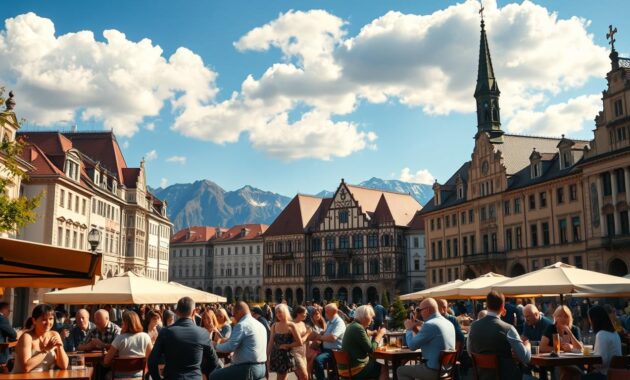
Fall brings Oktoberfest energy. If you want full-on beer halls and festival life, plan for peak dates and book early. Prices rise and reservations vanish fast.
Winter markets and quiet charm
Winter is colder, but Marienplatz’s Christkindlmarkt feels intimate. The city thins out between New Year and late January, which means easier hotels and shorter lines.
Spring and summer outdoors
Spring opens long English Garden days and lively Isar river afternoons. Summer offers warm days, open-air patios, and late daylight—perfect for park time and relaxed museum mornings.
Starkbier and the “fifth season”
Strong beer festivals create a local, lively rhythm in early spring. Check official beer calendar dates for 2026 so you can match your itinerary without guessing.
- Choose by energy: festival crowds vs. calm walks.
- Pack for the weather: layers for shoulder months; warm coat for winter.
- Book timing: reserve in advance for fall and holiday dates.
| Season | Weather | Best for |
|---|---|---|
| Fall | Cool, crisp | festivals and beer culture |
| Winter | Cold, festive markets | short, cozy visits |
| Spring–Summer | Warm, long days | parks, english garden days, river afternoons |
Getting Around Munich the Easy Way (Public Transit, Walking, and Passes)
A single anchor station near my hotel changed how I planned each day and saved energy for real exploration.
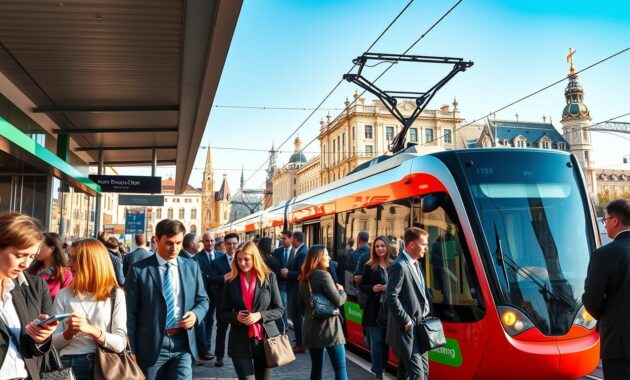
The mental map is simple: S‑Bahn for broader rail links beyond the core, U‑Bahn for quick subway hops inside the city, and trams as the underrated last‑mile fix. I use that rule when I map an itinerary of sights and attractions.
Deciding when to walk or ride
I walk in the center when sights sit close and the route feels pleasant. If a stop adds an extra transfer, I usually ride instead and save my legs for evening plans.
Simple station strategy
Pick one anchor station and learn exits, nearby tram lines, and a café for quick checks. That one familiar spot makes transfers less stressful and keeps your day moving.
When the Munich Card or City Pass helps
Quick rule: buy the pass if your plan includes many paid museums or frequent tram and U‑Bahn rides. The Munich Card offers discounts and public transit included. The City Pass often bundles free admissions and starts from €5.90. Both are sold online or at tourist information offices.
| Option | Transit included | Best for |
|---|---|---|
| Single tickets | No | Short visits with limited stops |
| Munich Card | Yes (discounts) | Visitors doing many attractions and local shopping |
| City Pass | Yes (many free entries) | Heavy museum days and fast sightseeing |
Where to Stay in Munich: Best Areas, Hotels, and Smart Location Picks
Choosing the right base in this city makes every morning easier and every evening calmer. I aim for simple rules that save time and lower stress on short visits.
Close to the center for first-timers
Staying near Altstadt gives fast access to Marienplatz and Viktualienmarkt. It costs more, but you trade commuting for extra exploring time. For many visitors, that premium is worth it.
Transit-first choices for day trips and late nights
Pick a hotel near an S‑Bahn or U‑Bahn hub. That choice keeps day trip logistics simple and makes late returns easy. I look for a short walk between station and room.
Booking strategy for peak dates
During Oktoberfest and holiday dates book earlier than you expect. If you have only a few days in town, location beats amenities. Time is the real luxury on tight trips.
- Quiet sleep: choose a side street off the center.
- Walkable days: stay inside Altstadt or nearby neighborhoods.
- Transit hub: hotel by a major station for easy day trips.
| Area | Best for | Notes |
|---|---|---|
| Altstadt | First-time visitors | Markets and sights within reach |
| Maxvorstadt | Museums and cafes | Quiet streets, close tram links |
| Hauptbahnhof area | Day trips | Fast rail links and affordable hotels |
Must-See Munich Attractions for First-Time Visitors
Pick three anchor sights and your first visit will feel purposeful, not rushed. These attractions make the city easy to read and give you immediate context for exploring further.
Marienplatz and the Rathaus-Glockenspiel
Marienplatz is the logical morning stop. The Rathaus-Glockenspiel performs at 11 a.m. and noon, and at 5 p.m. in warmer months.
Plan your time precisely—arrive five minutes early so you have a clear spot. The square also shows how the city rebuilt and kept public life alive.
Frauenkirche observation deck
The cathedral offers a compact, panoramic view that rewards an early start.
You can book the observation deck in advance; the usual fee is €7.50. It’s a world-famous silhouette and a short climb for a wide city view.
Olympiapark and Olympiaberg
Even though the Olympic Tower is closed for renovations until 2027, you can still get big views from Olympiaberg.
Bring layers, especially in shoulder months, and treat the hill as a simple, high point that costs nothing and shows the urban layout from above.
Nymphenburg Palace: gardens and grandeur
Nymphenburg is classic and calm. Combine palace rooms with the gardens for a half-day visit.
It’s a clear contrast with more central places and gives a gentle dose of history without rushing through things.
- First-timer spine: Marienplatz, Frauenkirche, Olympiaberg, Nymphenburg.
- Timing tip: schedule Glockenspiel times in your morning plan.
- Pace it: treat the palace as a half-day and keep evenings free for markets or restaurants.
| Attraction | Best time | Why it matters |
|---|---|---|
| Marienplatz | 11 a.m. / noon / 5 p.m. | Iconic show and city center orientation |
| Frauenkirche | Morning visits | 360° city view; observation deck (€7.50) |
| Nymphenburg Palace | Midday | Gardens and historic rooms; half-day pace |
Munich Museums and Culture Stops That Are Actually Worth Your Time
A smart museum visit can turn a rainy spell into a memorable part of your day.
Deutsches Museum deserves deliberate hours, not a quick pass. It’s widely described as the largest science and technology museum in the world, and that scale shows.
Plan several hours and pick a theme—space, medical tech, instruments, or robotics. Prioritize what excites you and accept that you won’t see it all in one sprint.
German precision makes your travel planning much easier when organizing your remote work schedule.
If you prefer a different European vibe with excellent internet, you might also consider to travel to Oslo Norway.
For official visa and remote work regulations, always verify with the German Missions in the United States.
BMW Welt: high impact, low commitment
BMW Welt is free, visually striking, and sits near Olympiapark. It pairs well with outdoor time on the same day.
Stop by for design displays and hands-on exhibits. No long ticket lines, so it’s an easy culture stop that adds energy without costing hours.
How I schedule these stops: I use museums as midday shelter or a bad-weather plan. That keeps my mornings and evenings open for walking and food.
| Stop | Why visit | Best timing |
|---|---|---|
| Deutsches Museum | Largest science and tech collections in the world; deep, hands-on exhibits | Block several hours; morning or midday |
| BMW Welt | Free, design-forward, easy to pair with Olympiapark | Short visit; afternoon or flexible slot |
| Museum strategy | Use museums as purposeful pauses that still show the city | Rainy day or midday break |
Markets, Neighborhoods, and Local Spots to Eat Like a Munich Regular
Start your day at the market and you’ll see how the city breathes through food and small rituals.
Viktualienmarkt has served as a daily market since 1807 — over 200 years of vendors, fresh stalls, and real rhythm. I treat it like a living pantry: graze, people-watch, and reset my pace without a full sit-down meal.
What to try
Keep the list tight and portable. My go-to bites are weißwurst (white sausage), obazda, soft pretzels, and small roasted or pickled snacks that travel well.
Honestly, a quick tasting tour here fuels a long day better than a heavy lunch. Pick two stalls, eat standing, and save time for a neighborhood walk.
Practical tips and neighborhood wandering
- Carry small cash—many snack counters are cash-only.
- Buy snackable items that won’t crush in your bag.
- Choose one district and wander slowly; the best food moments happen between sights.
| Snack | Flavor | Best time | Card or cash? |
|---|---|---|---|
| Weißwurst (white sausage) | Delicate, herby | Morning | Mostly cash |
| Obazda | Rich, cheesy | Midday snack | Card sometimes |
| Pretzel | Buttery, salty | Anytime | Often card accepted |
| Roasted or pickled bites | Savory, portable | On-the-go grazing | Usually cash |
Beer Gardens, Beer Halls, and Brewery Culture Without the Tourist Traps
You can enjoy iconic, lively beer halls and still find calm, local beer gardens that feel like home.
Hofbräuhaus is big, loud, and historic — great for the full, energetic experience. I treat it as the one “must-see” room for the atmosphere and music.
Augustiner-Keller feels different: quieter long tables, shade, and a more local rhythm. I usually pair one landmark visit with an Augustiner-Keller stop for balance.
Beer garden etiquette
How to fit in: share a table, say hello, and don’t hog benches. Order at the counter when signs show numbers; ask for table service when menus arrive.
Eat before or while you drink. Pace your rounds and hydrate between pints. Know your public transit plan before the first pour.
Seasonal events and guided options
Check the Munich Beer Calendar for festival dates beyond Oktoberfest. Small seasonal festivals often showcase local brews without the huge crowds.
If you want context fast, a Bavarian Beer & Food Tasting Tour (from €69) explains styles and history while sampling responsibly.
| Spot | Vibe | Best for |
|---|---|---|
| Hofbräuhaus | High energy, tourist icon | First‑time visitors who want atmosphere |
| Augustiner-Keller | Local, relaxed | Long shaded afternoons and quieter evenings |
| Seasonal festival | Varied; local brews on display | Anyone wanting variety without big crowds |
Best Day Trips Around Munich (Including Neuschwanstein Castle)
You don’t need a car to see castles, gorges, and charming towns—just one clear plan and reliable rail links.
Neuschwanstein Castle: how to plan a smooth day trip
Start early, book castle tickets in advance, and reserve a bus from the rail stop. I found the transit connections are the make-or-break detail for a calm visit.
Plan the day around one anchor site and add one small stop only if energy holds. That pacing keeps the next day fresh.
Easy rail adventures with Deutsche Bahn
Deutsche Bahn makes nearby towns and scenic routes simple. Buy tickets on the app, build a 20–30 minute buffer for transfers, and stay flexible when schedules shift.
Winter excursions and cold-season ideas
In winter, the snow-covered neuschwanstein castle feels cinematic and the Partnachklamm gorge is a dramatic walk. These activities pair well with short hikes and warm cafés afterward.
- Why base here: you can explore the city then escape to alpine views without renting a car.
- Pacing tip: one anchor destination per day keeps your days usable for work or rest.
| Destination | Why go | Best for |
|---|---|---|
| Neuschwanstein Castle | Iconic views, book ahead | Half‑day anchor |
| Partnachklamm | Dramatic gorge walk in winter | Short hike |
| Nearby towns | Scenic rail, easy on Deutsche Bahn | Relaxed day trip |
🛑 WAIT! BEFORE YOU BOOK YOUR FLIGHT…
Don’t let a blocked bank card, a dead battery, or terrible Wi-Fi ruin your remote work trip. Traveling as a digital nomad requires preparation, and missing one single step can cost you clients and money.
We have compiled the exact step-by-step framework you need.
🎁 Get Your Free Bonus: Download our exclusive 2026 Ultimate Digital Nomad Hub Checklist (PDF). It includes the tech survival kit, security basics, and the 24-hour arrival protocol every remote worker needs.
👉 [CLICK HERE TO UNLOCK AND DOWNLOAD YOUR FREE PDF CHECKLIST]
Conclusion
Pack the small, smart habits now, and the city opens up as a calm, friendly place the moment you arrive.
I mean the basics: set up your phone, lock down payment options, and learn one transit route. Do this and your first days feel simple and steady.
Pick a neighborhood base, plan one or two anchor places and a clear view for a morning or dusk stop. That short list keeps your days focused and joyful.
Visit with a plan that fits your life — a long weekend, a full week, or a few concentrated days — and the place will feel like home even far from it.
Download the free PDF checklist to move from reading to action and keep this plan in your pocket for your next visit munich.
FAQ
What’s the best time of year for a first visit?
How many days should I plan for a solid visit?
Should I arrange mobile service before I leave the U.S.?
Is Munich expensive for meals and drinks?
Do I need a VPN on public Wi‑Fi?
How do I get from the airport to the city center?
Is English widely spoken and how friendly are locals?
Can I visit beer gardens without being a beer expert?
What safety tips should I follow in the city?
How do I plan a day trip to Neuschwanstein Castle?
Which neighborhoods are best for first‑time visitors to stay in?
Any tips for museum visits and timing?
What should I know about payment methods and tipping?
How can I blend in more with locals and avoid tourist traps?
Are there seasonal events beyond Oktoberfest worth planning for?

I’m Rodrigo Durães, founder of CareersForge — the world’s leading career platform — and recognized as one of the most comprehensive and experienced career and life coaches globally. With multiple academic degrees from the world’s top universities and over two decades of experience as a CEO, my mission is clear: to help people unlock their full professional potential through honest, strategic, and proven content.