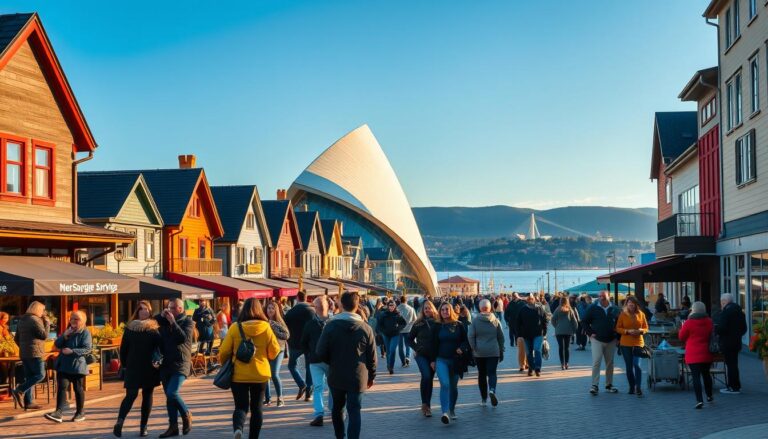
Ever wondered why some people leave this capital saying “meh” while others go home saying “I get it now”? That split comes down to one simple thing: expectations.
I write this as someone who’s guided many American readers through smart choices. Set the right expectations and the city rewards curiosity, good food, and neat logistics.
In the next pages I’ll share seven sharp hacks: airports and how to avoid the wrong one, cashless payments, a transit strategy that saves your legs, museum planning (yes, including The Scream), and using the place as a launchpad for fjords and scenic trains.
The free PDF is a tight checklist for a weekend, a long layover, or a longer route. I’ll also flag common time-sinks—wrong airports, too much walking, and booking big sights too late in peak season.
This guide is for first-timers, museum lovers, and people who care about architecture, food, and wellness. Read on for practical, present-day advice that actually works.
Table of Contents
Set the Right Expectations for Oslo in the Present Day
I’ve learned that the best way to enjoy this capital is to arrive without postcard expectations. On day one the city can feel modern and functional rather than storybook pretty. That is not a flaw—it’s a style.
Why this capital feels different
Compared with Bergen’s narrow streets and Copenhagen’s old architecture, this capital leans toward clean lines and contemporary design.


It shares some energy with Stockholm but often feels more practical and less theatrical.
What visitors usually misjudge
The nearby fjord is calm and green, not the steep-walled scenes many Americans picture from social media. Treat the water as a gentle city escape, not a dramatic wilderness.
Who tends to love it most
Museum-first travelers, architecture photographers, wellness-minded visitors, and food-focused weekenders get the most out of it.
In winter, low light and icy walks change the pace. In summer the city opens up and invites longer outdoor days.
Mentor takeaway: If you treat the capital like a lived-in place rather than a theme park, its neighborhoods, design, and calm confidence will reward you.
When to Visit Oslo and How Many Days You Really Need
Plan your days around light and practical limits; that simple shift saves hours and frustration. I’ll help you pick a season and a realistic pace so the trip feels calm, not rushed.
Summer versus winter: how sightseeing and walking change
Summer gives long daylight and lively waterfront energy. You get extra hours for islands and outdoor photos.
Winter brings low sun, moody light, and quieter cafés. Be honest: black ice makes footwear and walking conditions a real factor.
How many days should you plan?
- 12+ hours / 1 day: A long layover can hit key highlights if you plan transit time carefully.
- 2 days: Quick city break—main sights and a neighborhood walk without sprinting.
- 3 days: Museums plus neighborhoods; leave room for slower meals.
- 4+ days: Add islands, a sauna, or short hikes and truly slow the pace.
My simple rule: the more museum-heavy your plan, the more days you’ll want. Museums are dense; they eat time if you treat them like drive-by stops.
Practical tip: If you’re coming from the United States, factor jet lag into your first day. Honestly, a calm city vibe can make those initial hours feel easier and more rewarding.
Getting to Oslo from the United States: Flights, Airports, and First Moves
Your first hour in the capital sets the tone; pick an arrival that saves time and energy. For most American visitors, the practical win is clear: choose Gardermoen (OSL).
Why Gardermoen beats Torp
Gardermoen places you under 30 minutes from the city center by direct train. Torp sits over an hour away and often costs you hours in transfers. If you value your time, the slightly higher fare for OSL is worth it.
The fastest way into downtown
The direct airport train drops you at the main station in under 30 minutes. From there, a short tram or walk gets you to your hotel in the center. This is the quickest, most reliable way if your schedule matters.
Arriving by sea
Coming by ferry or cruise can be a slow, scenic option—Copenhagen to Oslo is roughly 17 hours—but it drops you right into the Port of Oslo. You arrive already oriented to waterfront landmarks, which makes early wandering easy and calm.
| Option | Typical time to center | Best for |
|---|---|---|
| Gardermoen (OSL) | ~30 minutes | Fastest airport arrival, direct train to station |
| Torp | >60 minutes | Cheaper flights but longer transfers and more logistics |
| Ferry / Cruise | Arrives at port (0 minutes walk) | Slow, scenic arrival; great for harbor orientation |
Arrival mindset: Don’t over-plan your first evening. Grab a light meal, use local transport, and take one easy waterfront walk. Honestly, a calm first night helps you enjoy museums and restaurants the next day.
Where to Stay in Oslo: Best Areas for First-Timers
A smart neighborhood pick saves hours and makes evenings feel effortless. For a short visit, being near the city center still wins for timing: fast access to the main station and quick train links from the airport matter.
That said, there’s a common first-timer trap: book only for postcard proximity and you may think the whole city feels like the modern harbor corridor. I’ve seen this happen. It creates a narrow view of local life.
My rule: if you have two or three days, choose comfort over mere closeness. Pick an area that matches your rhythm and use public transport to reach headline sights in minutes.
- Harbor / center: Best for first-night ease and quick museum hops.
- Majorstuen: Leafy, polished streets and easy tram access for shops and parks.
- Grünerløkka: Edgy cafés, street art, and a lived-in feel for evenings.
| Neighborhood | Vibe | Transit perks |
|---|---|---|
| Harbor / city center | Modern, convenient | Close to main station and trains |
| Majorstuen | Quiet, upscale | Trams and metro; good for shopping |
| Grünerløkka | Young, artsy | Short bus rides; lively nights |
| Frogner | Leafy, classic | Walkable to museums; calm mornings |
Don’t confuse “closest” with “best.” Choose where you’ll enjoy mornings and evenings. That choice shapes how much walking you do and how easily you reach museums, islands, and the town’s quieter places.
Getting Around Oslo: Public Transport, Tickets, and the Ruter App
Good transport choices save you hours and keep your trip calm—here’s how I move around. I use tram + metro + bus as my default, and treat walking as the bonus. Distances look short on the map but add up fast in real time.
How I use trams, metro, and buses efficiently
I plan routes by aiming for a nearby station, then linking tram and metro lines. That keeps transit time low and energy high.
Tempo tip: use transit between big museum stops so you save legs for exhibits and meals.
When a 24-hour pass makes sense
If you take more than two rides in a day or you’re on a short layover, a 24-hour public transport pass in the Ruter app usually pays for itself.
Simple Ruter app rules
- Buy the ticket in the app before you board.
- Validate it if required and keep the phone charged.
- Use it for island ferries included in the network and for reaching viewpoints quickly.
Safety note: in winter, rely on transit when sidewalks get icy. Honest planning saves time and makes the city feel kinder.
Travel to Oslo Norway: Smart Hacks That Make the Trip Easier and Cheaper
A few practical switches will save you hours and make the whole trip calmer. Below are seven compact hacks you can use immediately, then apply across the rest of your planning.
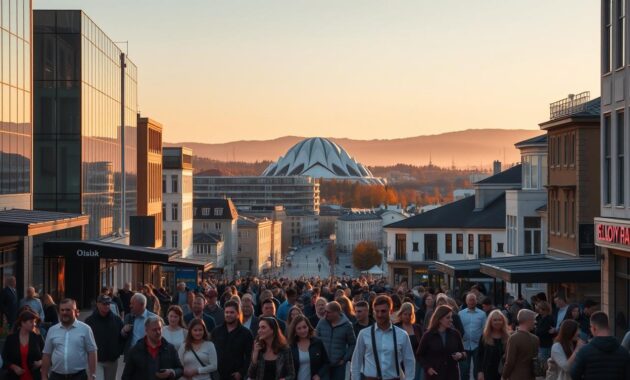
- Pick OSL, not Torp: the airport choice reclaims real hours and reduces transit stress.
- Go cashless: contactless payments work widely; use Wise to lower foreign exchange fees.
- Think like a strategist with a pass: the oslo pass pays when you stack transit and museum visits in one day.
- Book key culture and fjord slots early: peak-season cruises like the Silent Oslofjord Cruise sell out at popular times.
- Know where The Scream lives: prioritize the National Museum if that painting matters to you.
- Build days by neighborhood: coffee, shops, and dinner form a calmer rhythm than constant back-and-forth.
- Use the city as a launchpad: the oslo–bergen train and nearby fjord routes are the way many visitors get their “wow” moment.
Honest tip: pick two non-negotiables—an area to relax in and one cultural booking—and let the rest fall into place. That small plan change saves time and makes the trip feel better.
The Oslo Pass: Is It Worth It for Museums and Public Transport?
A short, honest test I use: list three museums you must see, then check the math. That quick check often answers whether a pass simplifies the trip or just adds cost.
What the pass covers in real life for museum lovers
The 72-hour Oslo Pass example (895 NOK) can be a real win if your days are museum-heavy. Many major museums have high single-entry prices, so visiting two or three in a day quickly adds up.
If you pair museum entries with steady tram and bus use, the pass removes ticket hassle and saves money versus buying separate admission and single-ride fares.
When the pass isn’t a fit and what to buy instead
The pass is not magic—it’s math plus your pace. If your plan favors neighborhoods, cafés, saunas, or only one museum, you’ll likely save by buying a 24-hour Ruter transit ticket and paying museum-by-museum.
- Worth it: multiple museums + frequent public transport over 2–3 days.
- Not worth it: slow-paced stays, one museum, or mostly neighborhood walking.
- Alternative: 24‑hour transit ticket (Ruter) + individual museum tickets you actually care about.
| Scenario | Typical cost elements | Recommendation |
|---|---|---|
| Museum-heavy, 3 days | 3–4 museum entries/day + transit | Buy 72‑hour pass (895 NOK) — likely breaks even |
| Neighborhood-focused, 2 days | Cafés, shops, 1 museum, light transit | Skip pass. Use 24‑hour transit ticket + single museum tickets |
| Short stay, 1 day | 1–2 museums or sightseeing + trams | Buy individual tickets as needed; consider single-day transit pass |
Mindset tip: Pick 2–3 anchor museums per day and leave room for meals and slow wandering. The best pass use is intentional — it should let you enjoy the city, not speed-run it.
Top Museums and Cultural Stops Worth Your Time
If you have limited time, these museums consistently give the biggest return on a short visit. I’ve picked stops that balance art, history, and easy logistics so you don’t waste a morning on a place that underdelivers.
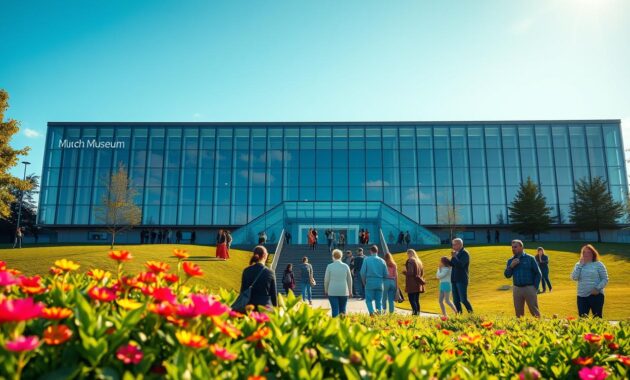
Munch Museum
The Munch Museum is a modern harbor landmark and an art experience in one. Inside, you get curated shows and wide city views that make for strong photos.
Tip: Treat it as both a gallery and a viewpoint—plan 60–90 minutes if you want to linger.
National Museum
If The Scream is your must-see, start at the National Museum. The layout makes the painting easy to find and appreciate without rush.
Book ahead on busy days so you don’t waste time standing in line.
Norwegian Folk Museum
The Norwegian Folk Museum is open-air with 150+ historic buildings and the Gol Stave Church from the 1100s. It’s hands-down the best place to feel traditional wooden architecture and everyday history.
Akershus Fortress & Resistance Museum
Akershus Fortress is vivid history you can walk through. Pair it with the Norwegian Resistance Museum for sober, well-presented WWII context.
Fram Museum and Bygdøy
Bygdøy is the peninsula for maritime fans. The Fram Museum lets you board polar ships like Fram and Gjøa—great for tactile history and family-friendly exploration.
Nobel Peace Center & Viking Update
The Nobel Peace Center offers a unique civic angle that connects the city to global ideas. Also note: the Museum of the Viking Age is slated to reopen in 2027—check dates before you plan.
| Place | Why go | Suggested time |
|---|---|---|
| Munch Museum | Modern art + harbor views | 60–90 minutes |
| National Museum | Home of The Scream; major art works | 60–120 minutes |
| Norwegian Folk Museum | Open-air buildings, Gol Stave Church | 90–150 minutes |
| Fram Museum | Polar ships and maritime history | 60–90 minutes |
| Akershus & Resistance Museum | Living fortress and WWII context | 60–120 minutes |
Iconic Oslo Buildings and Architecture to Photograph
Photographing the city works best when you follow a short, intentional route rather than chasing every façade. Pick one architectural spine and let light and people shape the shots.
Oslo Opera House and the waterfront skyline
The opera house is more than a backdrop. Walk its angled roof, use low light, and capture reflections on warm days. The oslo opera house introduces modern design simply and cleanly.
Barcode, City Hall, and harbor contrasts
The barcode district offers sharp lines and density as a foil to the waterfront. City Hall anchors the side with civic weight, making a strong contrast that photographs well at dusk.
Older streets and quieter corners
If modern blocks aren’t your taste, slip inland for narrow lanes and classical façades. Those quieter streets give a softer, more human look at local buildings and architecture.
My rule: do the Opera House → skyline → Barcode → City Hall loop in one stretched morning. Honestly, pick one spine per day and let the neighborhood reveal itself.
Scandinavian logistics require tight travel planning due to the higher cost of living.
If the Scandinavian budget is too tight, many digital nomads travel to Munich for a balance of tech infrastructure and culture.
Read about digital infrastructure updates on Visit Norway.
Best Neighborhoods in Oslo for Shops, Cafes, and Local Vibes
Pick one neighborhood each day and treat it like a local — that small choice changes the whole pace of a visit. Walk slowly, stop for coffee, and plan one meal where people actually live and eat. It turns sightseeing into living-in-the-city time.
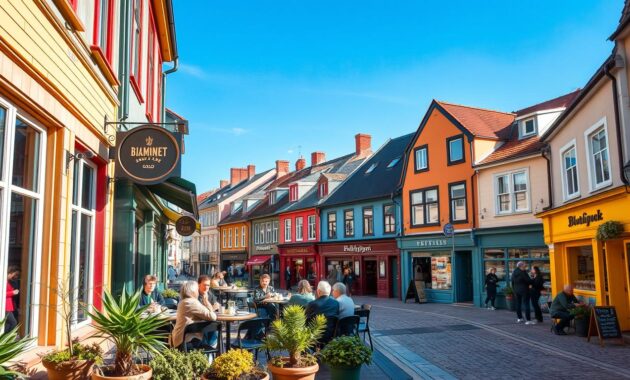
Grünerløkka
Energy district: street art, canal walks, and an energetic restaurant scene. You’ll find independent shops and cafés that feel current, not tourist-run. Great for evening food and people-watching.
Majorstuen
Charming, polished streets with solid shopping and calm cafés. Think stylish shops and a clean, practical side of the city that’s easy to navigate. Good for relaxed mornings and errands.
Frogner
Leafy and upscale, with sculpture park energy and wide avenues. This area is quieter and excellent if you want a wellness-forward pace and nicer restaurants without the crowds.
Damstredet & Telthusbakken
Two pretty streets often billed as an old town. Worth a short detour, but small—more postcard moments than a full neighborhood tour.
- Choose one area per day, then walk and eat where locals do.
- Link neighborhoods by tram or metro to avoid wasted time.
| Neighborhood | Vibe | Best for |
|---|---|---|
| Grünerløkka | Young, artsy | Street art, restaurants, independent shops |
| Majorstuen | Polished, practical | Café-hopping, shopping, calm mornings |
| Frogner | Leafy, upscale | Parks, sculpture, quieter dining |
| Damstredet / Telthusbakken | Historic, small | Short walk, photo spots, quaint streets |
Oslofjord Time: Cruises, Islands, Saunas, and Easy Outdoors
A half-day by the water can reset your pace and give the city room to breathe.
I’ll make the choice simple. If you want calm views and quiet, pick the Silent cruise. Brim Explorer runs a Silent Oslofjord Cruise (2 hours, from 650 NOK).
For a more social evening, the Oslo Dinner Cruise lasts 3 hours (from 1,490 NOK) and feels like a date-night on the water. Both are clear options depending on time and mood.
Island hops and quick nature resets
Hovedøya is about 10 minutes by ferry and makes a fast, fresh-air escape. Use ferries and local transport for a smooth half-day.
Simple friluftsliv and wellness
Grefsenkollen and Sognsvann are reachable by public transport and offer short hikes or lake walks without a car.
My favorite low-effort day: morning sauna at SALT, a fjord walk, and a casual meal at a nearby food hall.
| Option | Duration | Typical cost (NOK) | Best use |
|---|---|---|---|
| Silent cruise (Brim Explorer) | 2 hours | ~650 | Scenic calm, photos |
| Oslo Dinner Cruise | 3 hours | ~1,490 | Date-night, dining on water |
| Hovedøya ferry + walk | ~10 minutes ferry | Ferry fare (Ruter) | Quick island nature reset |
| Friluftsliv spots (Grefsenkollen/Sognsvann) | Varies | Public transport fare | Short hikes and lake escapes |
Pacing tip: treat the fjord and islands as a half-day. That leaves room in your schedule for a museum or a neighborhood dinner later in the day.
Where to Eat in Oslo: Foodie Spots Americans Should Put on the List
Good meals change how you remember a city; here’s where I send friends who ask for reliable, tasty recommendations.

Aker Brygge seafood classics and harbor-side restaurants
Aker Brygge is the easy harbor choice for classic seafood and steady views. Lofoten Fiskerestaurant is the dependable pick for fish and shellfish after a museum day.
Expect slightly higher prices but excellent timing: you get a calm dinner and waterfront light without chasing options.
Mathallen food hall for variety and quick bites
Mathallen in Vulkan is the practical win for groups and picky eaters. You can sample Norwegian specialties and international stalls in one spot.
It’s great for a fast meal between sights or a casual evening where everyone finds something they like.
Norwegian waffles and brunost: the polarizing combo to try once
Try a waffle with brunost at Haralds Vaffel—it’s famously divisive. I tell Americans: taste it once and decide.
Mix one nicer dinner at Aker Brygge with a few food-hall meals. That balances cost and experience on a short trip.
- Quick tip: eat where locals go in neighborhoods; the best meals feel unhurried.
- Budget guide: one special dinner + casual meals = smart, tasty pacing.
| Place | Why go | Suggested time |
|---|---|---|
| Aker Brygge (Lofoten) | Harbor seafood classics, reliable service | 60–90 minutes |
| Mathallen (Vulkan) | Variety, fast bites, group-friendly | 30–60 minutes |
| Haralds Vaffel | Waffles with brunost — a must-try moment | 15–30 minutes |
Beyond Oslo: Scenic Train Routes, Fjords, and Add-On Trips
Treat the city as a basecamp: pick one signature route and let that shape your days. This approach keeps your trip calm and gives you a real feel for Norwegian landscapes without overpacking the schedule.
The Oslo–Bergen rail as the must-see ride
The Bergensbanen is widely called one of the most scenic train journeys you can take. In roughly seven hours, the line moves from city edges into wide mountain views and shifting weather that feel cinematic.
If you have limited time, pick this way: the train delivers scenery, comfort, and reliable seats—more value than a long bus route for most travelers.
Flåm + Nærøyfjord: the simple flow
The logic is clear: rail connections → Flåm Railway → fjord cruise on Nærøyfjord → onward travel. That sequence gives you mountains, steep fjord walls, and a boat ride that completes the picture in one focused trip.
Multi-day options that start here
Here are bookable options that begin in the capital and vary by length and comfort:
| Package | Days | Starting price (NOK) | Best for |
|---|---|---|---|
| Oslo, Flåm & Bergen | 4+ | 6,360 | Short, scenic rail + fjord |
| Norway Cities, Trains & Fjords | 5 | 11,803 | Guided, balanced itinerary |
| Beautiful Norway | 8 | 23,875 | Comprehensive, relaxed pace |
| The golden route: Oslo, Geiranger, Ålesund & Bergen | 9+ | 18,490 | Extended, dramatic fjord-focused |
- Buses make sense when budget or routing requires them, but they trade scenic comfort for lower cost.
- Trains win for comfort, views, and predictable travel time—use them for the signature rail leg.
- If your overall time is tight, pick one signature fjord route and enjoy it fully rather than stacking many short legs.
Mentor note: match the trip to your energy. Let the city be restful and use one bold scenic leg as the adventure. That balance makes hours on the move feel worthwhile.
🛑 WAIT! BEFORE YOU BOOK YOUR FLIGHT…
Don’t let a blocked bank card, a dead battery, or terrible Wi-Fi ruin your remote work trip. Traveling as a digital nomad requires preparation, and missing one single step can cost you clients and money.
We have compiled the exact step-by-step framework you need.
🎁 Get Your Free Bonus: Download our exclusive 2026 Ultimate Digital Nomad Hub Checklist (PDF). It includes the tech survival kit, security basics, and the 24-hour arrival protocol every remote worker needs.
👉 [CLICK HERE TO UNLOCK AND DOWNLOAD YOUR FREE PDF CHECKLIST]
Conclusion
Think of this city as a quiet teacher—its rewards arrive when you slow down and look.
I’ll leave you with a quick checklist you can screenshot: pick the right airport, go cashless, plan transit in the Ruter app, weigh the Oslo Pass, book major museum slots, save The Scream for a focused visit, and build days by neighborhood.
Give a short visit Oslo at least a couple of days. In that time, aim for one museum, one neighborhood stroll, and one fjord-facing moment before a relaxed dinner.
Note: many readers ask about the Royal Palace—check opening dates and slot it if it fits your rhythm.
Use the PDF checklist and plan a trip that feels confident, not chaotic. I’ve seen that small changes in plans make a big difference in how the city lands.
FAQ
How many days do I really need for a proper visit?
When is the best time of year for light, walking, and outdoor cafés?
Which airport should I choose when arriving from the United States?
What’s the quickest way from OSL to the city center?
Is the Oslo Pass worth buying for museum lovers?
How do public transport tickets and the Ruter app work?
Can I rely on cash or should I go cashless?
Where should I stay for the best access and local vibe?
What should I know about visiting the Munch and National Museums?
How do fjord cruises and island hopping differ?
What are the must-see architectural photo spots?
Are there easy day trips from the city for scenic rail or fjord routes?
Do I need reservations for restaurants and cultural events?
What local foods should I try, and where?
How safe and walkable is the city center at night?
What should I pack for a summer stay versus winter?
Are museums and attractions accessible by public transit and wheelchair-friendly?
Is tipping customary at restaurants and for taxis?
How can I plan museum days efficiently without burning out?

I’m Rodrigo Durães, founder of CareersForge — the world’s leading career platform — and recognized as one of the most comprehensive and experienced career and life coaches globally. With multiple academic degrees from the world’s top universities and over two decades of experience as a CEO, my mission is clear: to help people unlock their full professional potential through honest, strategic, and proven content.