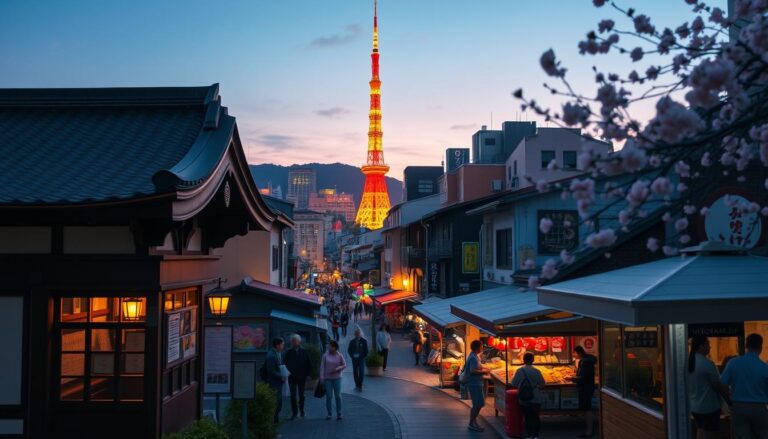
Ever wondered why so many visitors skip Japan’s sixth-largest city even though it feels like an easy win?
I asked that myself the first time I planned a short trip beyond Tokyo and Osaka. Honestly, this place felt underrated but surprisingly simple to add into an itinerary without friction.
Here’s what worked when I did it, and what I’d do differently next time. I’ll walk you through five practical tips: arrival, transit, where to stay, planning days, and best day trips so you can act fast instead of getting lost in choices.
You’ll get clear expectations on logistics, neighborhoods, food, and day-trip ideas. I also include a free PDF that mirrors this guide as a quick-reference checklist for transport, maps, day trips, and food hits.
This is information you can trust—not a sales pitch—and you can tailor every suggestion to your budget and time.
Table of Contents
Why Fukuoka Belongs on Your Japan Itinerary
When I first landed in Kyushu, it quickly felt like a smart, low-stress base for exploring nearby Asia. This capital on the island is a real working harbor and a practical gateway to Korea and China.
Kyushu’s largest hub with quick regional links
Think of it as a capital-city hub. Its location speeds up travel days and shapes local food and energy. If you’re flying far from the United States, choosing a smooth ground plan matters more than chasing hype.


Why it feels underrated despite size
The city is modern and livable but doesn’t shout like Tokyo or Kyoto. That calm makes it a great destination for first-timers who want simplicity and repeat visitors who want less crowding.
- You’ll find strong street-food culture and fast airport access.
- Day trips are easy and low-stress.
- It’s a place that makes Japan feel more human than checklist-driven.
Getting to Fukuoka From the United States
If you’re flying from the U.S., a Tokyo connection is the most common, practical route.
Here’s the honest trade-off: a domestic flight from Tokyo to Fukuoka takes about two hours in the air. The bullet train runs roughly five hours on a fast service, and that excludes transfer time between airports and stations.
Connecting via Tokyo and onward flight options
I usually land at Haneda, clear immigration, then book a separate domestic flight when it makes sense. A direct flight gets you to your destination faster, especially if travel fatigue matters.
Flight versus bullet train: practical comparison
| Option | Typical duration (one way) | When it wins |
|---|---|---|
| Domestic flight | ~2 hour flight | When you want to arrive with energy and save time |
| Bullet train | ~5 hour ride | When already in central Tokyo or you value scenery and legroom |
| Consideration | Transfers add time | Airport-to-station transfers can steal minutes and hours |
- Rule I use: pick the option that gets me to my hotel sooner, not the one that sounds romantic.
- If arrival time is late, sleep near the departure airport or take the earliest onward option the next morning.
Japan’s startup visa initiatives are changing the landscape of remote travel planning.
For a more tropical Asian alternative, many tech workers travel to Phuket during the winter months.
Check the latest remote work hub news on the Japan National Tourism Organization website.
Arriving at Fukuoka Airport and Reaching the City Center Fast
Landing here feels oddly fast—you step out of the plane and the city is already within reach. I like that immediacy; it changes how I plan an arrival day.
Quick mental model:
- Land → follow subway signs → ride to Hakata Station → you’re in the core transit center fast.
- The subway from fukuoka airport to Hakata takes about five minutes. That short ride reshapes plans.
Why this matters: the airport sits inside the city, so you avoid a 60–90 minute transfer like other hubs. You can still explore after a midday landing.
Worried about luggages? Don’t be. Travelers bring medium suitcases onto the subway all the time. Stay aware of space during peak minutes and you’ll be fine.
Hotel tip: pick a place near Hakata Station. Keeping the center close keeps arrival friction low. And if check-in is later, most hotels will hold bags so you can start exploring right away.
Getting Around Fukuoka Like a Local
Mastering the transit here is less about routes and more about small timing wins. The city runs on a compact mix of subway, train, and bus lines. Once you learn a few patterns, moving feels natural.
First 24 hours cheat sheet:
- Subway: best for short hops around the center and fast access to major stations.
- Train: use it for regional legs or trips that skip downtown traffic.
- Bus: often the simplest way to reach shrines, parks, and spots a short walk would otherwise take longer.
IC cards made simple: get one rechargeable card (Suica or Pasmo), tap in/tap out, and reload when needed. iPhone users can add a digital Suica to Apple Wallet for a smooth set-it-and-forget-it setup.
Maps matter. Google Maps and Apple Maps are excellent for stops, exits, and knowing when to get off. They cut the guesswork and save minutes each trip.
| Mode | Best use | Typical time |
|---|---|---|
| Subway | Short city hops, quick station transfers | 5–20 minutes |
| Train | Regional travel and faster point-to-point legs | 20 minutes–2 hours |
| Bus | Direct stops near attractions and neighborhoods | 10–40 minutes |
One practical warning: even with great transit you walk a lot. Make sure you pack comfortable walking shoes. Shaving 8–12 minutes repeatedly keeps energy for dinner, not just sightseeing.
Where to Stay for a Smooth Trip: Hakata Station and Nearby
Where you sleep shapes how much of the city you actually see. I aim for a base that saves time and cuts transfers so jet lag doesn’t steal the first day.
Why staying near Hakata Station saves time every day
Hakata Station is the real convenience hub: trains, buses, and quick access to regional lines all meet here. That central location means fewer transfers and more hours for walking, meals, or a quick nap.
Hotel styles that work well for U.S. travelers
I favor three reliable types: efficient business hotels, a full-service luxury choice, and modern hostels that feel private.
- Business: Tokyu Stay Hakata — compact rooms and practical hours for check-in/out.
- Luxury: Miyako Hotel Hakata — spacious rooms and hotel restaurants that beat fatigue.
- Hostel: WeBase Hakata — social, clean, and budget-friendly for short stays.
Room setup tips: twin beds versus smaller doubles
One small but real tip: Japanese double beds can feel narrower than U.S. queens. If you value sleep, pick twin beds or check room dimensions before booking.
Practical move: drop your bags if check-in is late, then take a short loop around the center. A nearby restaurant or convenience store will make that first hour feel like progress, not wasted travel.
Travel to Fukuoka: Smart Tips for Planning Your Days
Plan your days so you leave room for slow discoveries, not just checked boxes. I’ve seen tight itineraries turn a bright morning into a rush.
How many days to budget?
A practical setup: 2 days = one full city day plus one short day trip. 3 days = city core, one day trip, and one flexible day. 4 days gives room for an extra day trip without losing sleep time.
Beat crowds by starting early
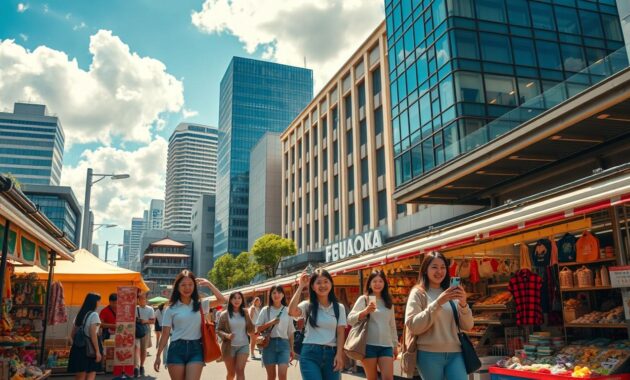
Arrive at major sights before 9am and you’ll see a calmer side of the city. Dazaifu is quiet before roughly 9 and fills by mid-morning. Early hours save time and energy.
Rainy or cold-day backups
If weather turns, head indoors: Tenjin Underground Mall and Canal City are reliable. You’ll find museums, food halls, and covered shopping that still feel like Japan.
| Days | What you do | Best use |
|---|---|---|
| 2 | City + 1 day trip | Short stop or tight schedule |
| 3 | City, day trip, buffer day | Balanced pace |
| 4 | Extra day trip | Relaxed exploration |
Quick reminder: build buffers for transit and meals and make sure plans leave room for a spontaneous snack or side street. Those moments often become the best memory.
Top Things to Do in the City (Shrines, Parks, and Modern Must-Sees)
A short loop through classic shrines and a park gives you a clear feel for the city in under half a day. I usually start in the Gion area and work outward so I avoid backtracking.
Gion’s classic stops: Kushida Shrine and Tochoji
kushida shrine dates to 757 and centers old Hakata life. You’ll see the decorated festival float on display most of the year, plus a notable ginkgo tree that marks the spot.
Tochoji temple is a short walk away and has a large Buddha in a small-fee space. Together they form an easy cultural loop.
Ohori Park and a calm reset
ohori park is the city’s big green lung, with a central pond that makes a nice pause between sites. It’s a good place to sit for 15–30 minutes and reset your pace.
Modern and uphill highlights
teamLab Forest sits inside BOSS E・ZO FUKUOKA and is time-boxable if you want one interactive, modern building visit that won’t eat your whole day.
Atago Shrine requires a short uphill walk from the subway area near Muromi. It’s not long, but the viewpoint reward makes the climb worth it.
| Stop | Why go | Pair with |
|---|---|---|
| Kushida Shrine | Historic shrine, festival float, ginkgo | Tochoji temple (5–10 minutes walk) |
| Tochoji Temple | Large Buddha, calm worship space | Ohori Park (15 minutes by foot or short transit) |
| teamLab Forest | Interactive modern art inside a building | BOSS E・ZO FUKUOKA area shops |
| Atago Shrine | Viewpoint reached by an uphill walk | Finish late afternoon for sunset views |
What to Eat in Fukuoka: Ramen, Food Stalls, and Local Favorites
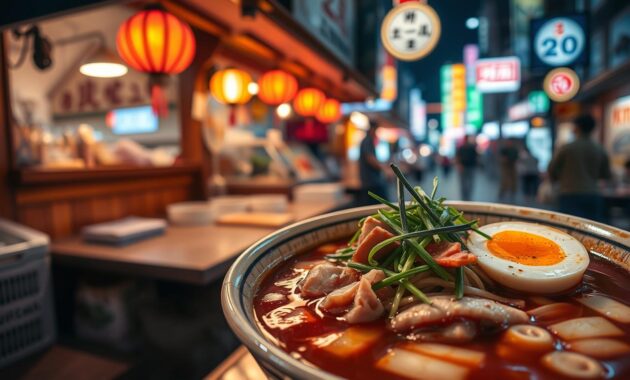
A bowl of tonkotsu can be the clearest local lesson you’ll take home from this place. Hakata-style ramen stands out for a rich pork-bone broth, ultra-thin noodles, and simple toppings like green onion and pickled ginger.
How to order with confidence
Start with the classic bowl—no extras—so you learn the base balance. On a second round, add garlic oil, a soft egg, or firmer noodles. Ichiran’s solo booths show why focusing on one bowl is a ritual, not a race.
Yatai food stalls and night plans
Yatai are open-air food stalls that pop up after dusk. They’re social and casual; lines form for atmosphere as much as taste.
If it’s rainy or cold, pick an indoor alternative like Canal City’s Ramen Stadium or a nearby restaurant in the center.
Quick eats near Hakata Station
Short on time? Head to the station food floors for reliable lunch counters, quick ramen shops, and small shops selling bentos. If your group can’t agree, Ramen Stadium turns choice into a win.
| Spot | Why go | Best time |
|---|---|---|
| Local ramen shop | Authentic tonkotsu flavor | Dinner or late night |
| Yatai | Street atmosphere and small plates | After sunset |
| Hakata Station food floor | Fast lunch and reliable options | Midday |
Best Day Trip Ideas From the City
Day trips from the city are the secret fast-track to wildly different scenes without changing hotels. In one day you can study shrine rituals, visit a massive Buddha, chase a coastline, or hop an island ferry.
Dazaifu Tenmangu is about 40–45 minutes by train and is dedicated to Sugawara no Michizane, the god of learning. Students still come to pray for exams, and the approach street hums with small shops. The main hall is under restoration until 2027; a temporary hall stands in its place, so plan your visit knowing the core history remains visible.
Umegae mochi vendors line the walk toward the shrine. Look for fresh, toasted cakes and eat them hot. Timing matters: buy early or between meal times for the best, warm bite.
Homangu Kamado Shrine sits a short bus ride away. From near Dazaifu Station, hop buses marked “Uchiyama” (内山) and confirm with the driver before boarding. Signage can confuse visitors, so this check saves time.
Nanzoin Reclining Buddha is reachable by train with a brief walk at the end. Dress modestly and cover tattoos if you can—it’s a respectful site and avoids awkward moments.
Itoshima is your beach option: think sun, surf, and Sakurai Futamigaura Shrine. The bus from Hakata takes about 30 minutes, so plan a half-day for tide and light. If you want an island day, Nokonoshima’s ferry is about 15 minutes and often runs hourly. Miss one and you may wait roughly 50 minutes; use that time for a coffee at the harbor or a short walk.
| Spot | Typical transit | Best use |
|---|---|---|
| Dazaifu Tenmangu | 40–45 minutes by train | History and shrine rituals |
| Nanzoin | Train + short walk | Big Buddha, quiet reflection |
| Nokonoshima Island | 15-minute ferry (hourly) | Flower park and easy island walk |
Quick tip: stack these as separate day trips rather than trying to squeeze all into one. You’ll get better moments and save time for small discoveries.
Shopping and City Nights: Tenjin, Canal City, and Easy Souvenir Wins
Evenings here often turn shopping into a practical part of the day, not just a pastime. I use stores as weather insurance, a quick gift run, or a low-effort night out after a long day trip.
Tenjin Underground Mall is my go-to when the sky opens. It links subway stations and department stores. The food floors in those stores are perfect for edible gifts and boxed snacks you can pack easily.
Canal City Hakata: dining, shows, and bundled entertainment
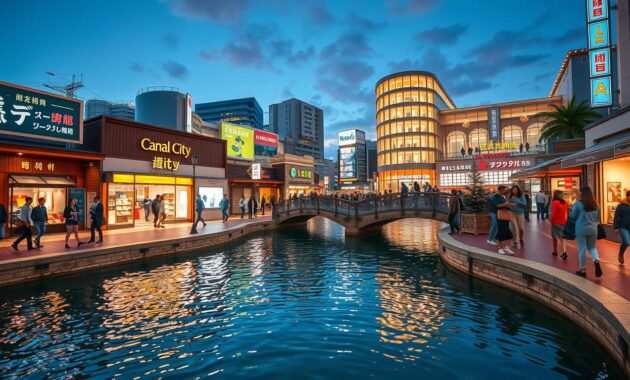
Canal City is the center for an evening that needs both dinner and a plan. The building hosts restaurants, fountain shows, and Ramen Stadium—so you can eat and watch without chasing another place. It’s ideal if you want one spot that entertains a group.
Hakata Station area: fast, practical shopping
The malls near Hakata Station—KITTE, AMU Plaza—have stores you know: Uniqlo, Muji, Hands, and the Pokémon Center. If you have 30 minutes before a train, you can grab snacks, a small gadget, or a local sweet without wandering.
- Souvenir strategy: choose edible gifts from department food floors, one locally specific treat, and a small practical item (socks, stationery).
- Use shopping as a rainy-day anchor or a calm night after a full day trip.
- Pick a single building when you’re tired—one stop saves time and energy.
| Place | Best use | Why go |
|---|---|---|
| Tenjin Underground Mall | Weather-proof strolling | Connected stores and food floors for gifts |
| Canal City | Dinner plus show | Fountain shows, restaurants, and Ramen Stadium in one building |
| Hakata Station malls | Quick buys | Practical stores (Uniqlo, Muji) and snacks before departure |
🛑 WAIT! BEFORE YOU BOOK YOUR FLIGHT…
Don’t let a blocked bank card, a dead battery, or terrible Wi-Fi ruin your remote work trip. Traveling as a digital nomad requires preparation, and missing one single step can cost you clients and money.
We have compiled the exact step-by-step framework you need.
🎁 Get Your Free Bonus: Download our exclusive 2026 Ultimate Digital Nomad Hub Checklist (PDF). It includes the tech survival kit, security basics, and the 24-hour arrival protocol every remote worker needs.
👉 [CLICK HERE TO UNLOCK AND DOWNLOAD YOUR FREE PDF CHECKLIST]
Conclusion
A short, smart plan turns a compact city into a relaxed, memorable trip.
I’ll summarize the five tips you can screenshot: get there efficiently, use an IC card for quick transit, stay near Hakata, start early and keep a backup, and pick one or two day trips that fit your pace.
Don’t try to do everything. Choose the right things for your energy and your time. That way each day feels like a choice, not a checklist.
Next step: pick dates, decide how many days you have, and build one anchor plan per day—morning must-do, flexible afternoon, and an evening food plan. The PDF exists so you won’t re-plan on your phone.
You’ll find this destination big enough to excite, but calm enough to enjoy.
FAQ
How do I get from Tokyo to Fukuoka most efficiently?
Is a day trip to Dazaifu Tenmangu worth it?
What’s the fastest way from Fukuoka Airport to the city center?
Which neighborhoods are best to stay near Hakata Station or Tenjin?
How many days should I plan for the city plus nearby day trips?
What public transit cards work in Fukuoka?
When are yatai food stalls open and what should I expect?
Can I visit Nokonoshima Island and still return the same day?
What should I wear for shrine visits and Nanzoin Reclining Buddha?
Where can I try authentic Hakata ramen near Hakata Station?
How do I reach Homangu Kamado Shrine and what should I know about the bus stop?
Are there weather-proof shopping options if it rains?
How do I get to Itoshima beaches and what’s the best time to go?
What are practical tips for first‑time navigators using Google Maps in Japan?

I’m Rodrigo Durães, founder of CareersForge — the world’s leading career platform — and recognized as one of the most comprehensive and experienced career and life coaches globally. With multiple academic degrees from the world’s top universities and over two decades of experience as a CEO, my mission is clear: to help people unlock their full professional potential through honest, strategic, and proven content.