
Question: Have you ever wondered which base makes island life easy, safe, and actually restful?
I kept coming back because Phuket is low-friction: an international airport, decent roads, and a range of stays from hostels to five-star resorts. Honestly, that convenience matters when you want sun and work hours that play well together.
This guide is for remote workers and first-timers who want beaches and culture without drama. I’ll preview seven safe hubs that change the feeling of the place.
Grab the PDF for a quick base-area picker, a map-style checklist, and a compact packing and arrival cheat sheet. Those pages saved me time and stress.
Quick snapshot: best time to go, currency basics, airport flow, safe transport, and day-trip planning. Not perfection—just practical moves that keep you calm and flexible.
Table of Contents
Why Phuket Works for Remote Travelers and First-Time Visitors
If you want a straightforward first beach trip in Thailand, Phuket fits the bill. I recommend it when someone wants an easy, low-stress arrival and a wide range of living choices.
What Phuket does better than other islands is the infrastructure. You can land at an international airport, grab a SIM, find pharmacies and hospitals, and reach cowork-friendly cafés all within an hour of arrival.



How I pick an area as a remote worker:
- Noise at night — choose quieter bays if sleep matters.
- Walkability — food density and quick access to essentials.
- Commute time to beaches, gyms, and meeting-friendly cafés.
Yes, it’s touristy—especially Nov–Mar—but that trade-off buys convenience and more accommodation options. You can still find calm pockets like Freedom Beach, Kata Noi, Kamala, and Surin.
Base smart, day-trip wide. Stay in one hub and explore other areas by day. Mornings in Old Town, ethical wildlife choices, short rainforest hikes, and sunset bars outside Patong show a different side of the island.
Finally, Phuket makes a solid launchpad for the rest of Thailand. Stay central, handle logistics once, then branch out when you’re ready.
Know Before You Go: Time Zone, Language, and Thai Baht Basics
Set yourself up well by handling the time shift, a few Thai phrases, and cash plans. These three moves clear friction and help you focus on work and downtime.
Thailand clock and remote-work rhythm
Thailand runs on GMT+7. For most US east-coast teams, that means your morning meetings fall in the late evening local time.
I work in focused blocks: mornings for deep work, late afternoons for calls that align with the US. That keeps daylight free for errands and short beach breaks.
Language and practical currency tips
Thai is the official language, yet English is common in tourist spots. A few phrases and patience go a long way.
Carry cash: small cafés, street vendors, and local transport often prefer it. Use cards for hotels and larger restaurants.
- Safety habit: carry enough cash, not all your cash—split between wallet and day bag.
- Small buys: snacks, water, and taxi fares are easy with bills on hand.
- Airport note: withdraw a small amount on arrival for your first-night needs.
| Area | What it means | Practical move |
|---|---|---|
| Time | GMT+7 — big shift for US schedules | Block work hours; keep one evening free for calls |
| Language | Thai official; English common in hubs | Learn 5 phrases; speak slowly and smile |
| Currency | Thai baht is standard; small vendors prefer cash | Carry mixed payment: cash for markets, card for hotels |
Best Time to Visit Phuket for Weather, Prices, and Fewer Crowds
Sun, blue skies, and predictable weather make November–April the clear window for visiting this island. I call it the dry season: warm mornings, long afternoons, and beach-ready days that are ideal for first-timers.
Dry season conditions and expectations
The months feel reliably sunny with low rainfall and calm seas. Temperatures stay warm, which makes outdoor work blocks and beach breaks easy to schedule.
Reality check: November–March is busiest. If you need quiet, pick late April or early November when crowds thin a bit.
Strategies for avoiding peak crowds
- Book lodging early—hotels sell fast during peak months.
- Choose calmer bases like Surin, Kamala, or Kata Noi for quieter mornings.
- Start beach trips at dawn; visit Old Town midday when many tourists head for the coast.
- Plan day trips that leave before noon and return after the sunset rush.
| Period | Weather | Crowd level | Practical tip |
|---|---|---|---|
| Nov–Mar | Sunny, warm | High — beaches busy | Lock hotels first; book tours early |
| Apr | Warm, less crowded | Moderate | Flexible rates; good for longer stays |
| May–Oct | Monsoon season, more rain | Low | Best for lower prices, expect wet afternoons |
For remote work, I pick weeks with quiet weekdays and accept busier weekends. My simple rule: if you visit Nov–Mar, reserve hotels, then tours, then restaurants. That ordering saves money and stress.
How to Get to Phuket via Phuket International Airport
Landing at HKT feels easier than it looks — and a simple plan keeps that calm. After passport control, pick up a SIM or some baht if you need it. Then pause: breathe, check your booking, and decide the best way forward.
Arrival tips: transfers, travel time, and planning your first night
I recommend three transfer options: pre-booked shuttle, hotel pickup, or a Grab/taxi ride. Choose pre-book if you land late or have lots of luggage.
Grab works well for daytime arrivals and short waits. Taxis at curbside are reliable but confirm the meter or a fixed rate before you ride.
Travel time to west-coast hubs usually runs 30–60 minutes, depending on traffic. Plan a calm first night: check in, eat something simple, take a short walk, and sleep.
Safety tips for late arrivals: save your hotel address offline, confirm the driver’s route, and avoid switching hotels the same night you land.
| Option | When it fits | Approx. cost | Travel time (to west coast) |
|---|---|---|---|
| Pre-booked shuttle | Late arrivals, ease of mind | $10–$25 | 35–60 min |
| Hotel pickup | Comfort, baggage help | $15–$40 | 30–50 min |
| Grab / Taxi | Daytime, flexible plans | $8–$30 | 30–60 min |

For remote work starts, pick an area with reliable cafés and quiet rooms if you land before a workday. Below is a short checklist you can copy into your notes app.
- Before landing: screenshot your hotel address and key directions.
- At arrivals: grab cash and a local SIM if needed.
- Transfer choice: decide pre-book, hotel pickup, or Grab based on time and luggage.
- First night: simple meal, short walk, early rest.
How to Get Around Phuket Safely: Grab, Songthaew, and Scooter Options
Getting around the island is simple once you know which options fit your comfort and schedule. I default to convenience first, then safety.
Using Grab and taxis without overpaying
Grab is my go‑to: predictable pricing, less haggling, and fewer surprise “tourist tax” moments. I set the exact pickup point and screenshot the fare before hopping in.
Quick tactics: confirm the driver’s route, compare a short vs. long route estimate, and keep receipts in case you need to dispute a charge.
Local bus rides (songthaew): what to expect
Songthaews are open‑air, communal pickups that feel local and low‑cost. They’re bumpy, have no seatbelts, and often stop on request.
They’re fun if you like people-watching and don’t mind basic comfort. I avoid them for late-night travel or when I have heavy luggage.
Scooters vs. cars: safety trade-offs and when to skip the ride
Scooters are cheap and flexible but come with real risks: heavy traffic, uneven roads, and limited protection. Rent one only if you have experience and a helmet that fits.
For families or anyone unsure, choose a car or use short Grab hops. You can still get around phuket comfortably without a scooter by splitting days by area and picking walkable bases.
| Option | Best use | Safety note |
|---|---|---|
| Grab / Taxi | Short hops, predictable fares | High — track route and screenshot fare |
| Songthaew | Budget, local feel | Low — open-air, no seatbelts |
| Scooter | Independent short trips | Moderate to low — only if experienced |
My personal rule: convenience is great, but not at the cost of your body — your trip shouldn’t end in a clinic visit. Choose the way that keeps you moving and smiling.
How Long to Stay in Phuket to See the Highlights (and Still Relax)
Plan your days so the island feels like a pause, not a sprint. I aim for clear expectations up front: short trips hit highlights, longer stays let you breathe.
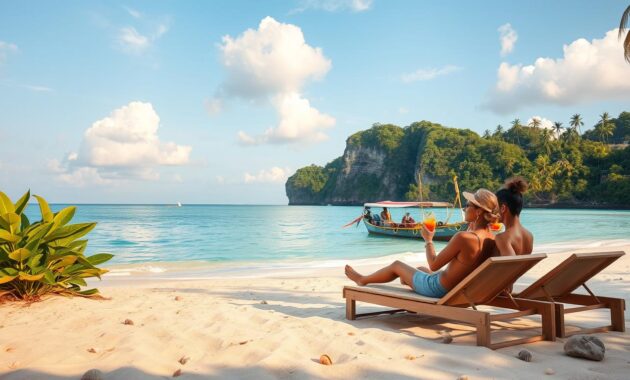
Quick guideline: four days is the minimum; 4–6 days is ideal for many; a full week covers most things; 7–10 days gives proper rest and unscripted time.
- 4 days: one beach, one culture stop, one boat or island day, one flex or travel buffer. Good for a tight itinerary and one day trip.
- 4–6 days: adds slower mornings, a second beach, and time for a market or temple visit without rushing.
- 7–10 days: allows true rest days, deeper exploration, and recovery if you work odd hours.
I use a simple pacing plan: 1 culture day, 1 beach day, 1 boat day, 1 flex day—then repeat if I stay longer. That pattern keeps energy steady and reduces decision fatigue.
Remote-work note: if you have US-hour meetings, add an extra day or two. Half your day will be work; this affects sightseeing time.
Final tip: make sure you build one unplanned “do nothing” day. The best memories often come from the quiet, unscheduled moments.
Travel to Phuket: Epic and Safe Remote Hubs to Base Yourself
A good base can turn busy days into easy routines and give you a quiet place to recharge.
Karon Beach — Spacious sand, family-friendly hotels, and a calmer stretch if you want room for kids and long walks. It’s near action, but still quiet enough for sleep.
Kata Beach & Kata Noi — Easy-mode beach days and small outings. Kata is lively; Kata Noi feels like the quieter upgrade for calmer mornings and better snorkeling spots.
Kamala — Upscale, relaxed, with beach clubs that stay classy. Good if you want calm days and the option of nicer cafés and resorts.
Surin — Walkable beach-road living: restaurants, stalls, and quick massages. Pick this if you want everything close without long commutes.
Phuket Old Town — Culture, cafés, and markets. It’s the best place for evenings wandering Sino‑Portuguese streets and finding local spots.
Nai Harn — A south-coast reset: slower pace, great sunsets, and fewer crowds. Ideal for deep rest.
Patong — Ultimate convenience and nightlife energy. If you stay here, choose a micro-area that lets you sleep when you need to.
| Hub | Best for | Trade-off |
|---|---|---|
| Karon | Families, space | Less nightlife |
| Kata / Kata Noi | Beach days, snorkeling | Moderate crowds |
| Old Town | Culture, cafés | Far from west-coast beaches |
Best Beaches in Phuket for Swimming, Views, and a Quieter Day
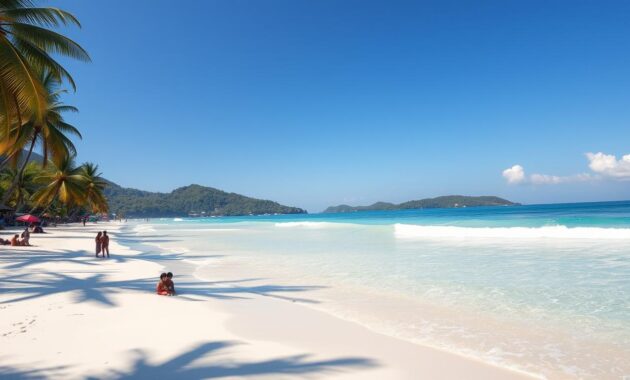
Pick beaches by outcome: swim, snorkel, walk, or eat well—each day can be purpose-built. I’ll point out which shore fits which goal and how to make the most of a short visit.
Freedom Beach — clear water, hidden feel
Freedom Beach feels like a small paradise. Access is by a short hike or a longtail boat, which keeps crowds lower.
Water is clear and calm on good days, so it’s great for swimming and photos. Expect fewer stalls and more shade than the big strips.
Karon — long sand and family-friendly space
Karon has wide sand and room to spread out. Families pick it for gentle waves and long walks.
Bring sun cover and plan for a mid-morning swim when conditions are often calm.
Kata vs. Kata Noi — action versus peace
Kata Beach has more action and services. Kata Noi sits a short walk south and offers quieter water and better snorkeling near the rocks.
Surin and Kamala — balanced days with food nearby
Surin’s promenade makes snack runs simple. Kamala stays quieter and still offers cafes and small beach clubs within reach.
Banana Beach and Naiyang — quieter alternatives
When west-coast beaches feel packed, Banana Beach and Naiyang are calm escapes. Both give a quieter vibe and fewer vendors.
Safety note: always watch the flags, respect changing surf, and don’t overestimate ocean comfort in new conditions.
- Mini rotation plan: Swim day (Freedom), long-walk day (Karon), snorkel day (Kata Noi), food-and-shade day (Surin/Kamala), quiet reset (Banana/Naiyang).
| Beach | Best for | Access | Local tip |
|---|---|---|---|
| Freedom Beach | Clear water, photos | Boat or short hike | Arrive early for solitude |
| Karon | Long walks, families | Easy road access | Morning swims are calmer |
| Kata / Kata Noi | Action (Kata), snorkeling (Noi) | Walkable between them | Snorkel near northern rocks |
| Surin / Kamala / Naiyang | Food options, quiet resets | Short drives | Pick off-peak hours for calm |
Top Things to Do in Phuket Beyond the Beach
There’s a softer side of the island that fills afternoons with temples, markets, and green trails. I’ll show how to build days that aren’t just “beach, repeat.”
Phuket Old Town walking loop
phuket old town shines on Thalang Road and Soi Romanee. Walk a short loop for Sino‑Portuguese facades, cafés, and photos without racing the map.
Wat Chalong and respectful visiting
wat chalong asks for covered shoulders and knees. Remove shoes, move quietly, and focus on the shrine and the 1876 history that ties the site to local events.
Big Buddha and viewpoints
big buddha is a 45m statue with sweeping views. Go early for soft light, bring water, and watch for monkeys near exits.
Nature and ethical wildlife
Khao Phra Thaeo holds the last evergreen forest and Bang Pae Waterfall — a short hike and a refreshing dip if you can handle the heat.
The 30‑acre Phuket Elephant Sanctuary lets you observe and feed elephants without touching or performances. That’s a real shape of ethical visiting.
- My blueprint: 2 culture days + 1 nature day—works for families and remote stays.
- Finish evenings at Chillva Market or a walking-street for food, small buys, and relaxed people‑watching.
| Place | Best for | Practical tip |
|---|---|---|
| phuket old town | Architecture & cafés | Start early for photos |
| wat chalong | Culture & history | Cover shoulders/knees |
| big buddha | Views & quiet reflection | Bring water; watch monkeys |
Iconic Day Trips from Phuket: Phi Phi Islands, Maya Bay, and Phang Nga Bay
Some day trips feel like postcards; others feel like long, cinematic boat rides — pick the mood you want. I’ll walk through the real differences so you can plan a day that fits your energy and limits.
Phi Phi Islands & Maya Bay
Timing, fees, and what to expect
For phi phi islands, timing is your best weapon. Early departures cut the crowds and give calmer water for snorkeling.
Maya Bay requires a national park fee (commonly about 400 THB). Visit at dawn or near sunset if the schedule allows—photos and space improve dramatically.
The feel of the cruise and the iconic stop
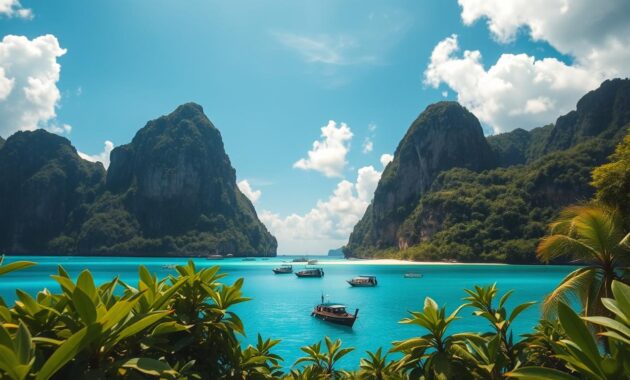
Phang nga bay is about limestone karsts and slow cruising. Expect many viewpoint stops and calmer swims than a full island-hopping day.
James Bond Island is an iconic photo stop. It’s often busy, but still worth it if you arrive with low expectations and a patient timeline.
Choosing the right boat
Longtail boats give fast, local vibes and close access for photos and short swims. Bigger group boats are steadier, more comfortable, and better if you feel seasick or want shade.
| Trip | Best for | Vibe |
|---|---|---|
| Phi Phi Islands | Snorkel, swim, beaches | Active, busy, photogenic |
| Phang Nga Bay | Scenery, cruising, photos | Relaxed, scenic, less swimming |
| Longtail vs. Big Boat | Budget / local feel vs. comfort | Agile & social vs. steady & shaded |
Packing and practical notes
- Bring cash for the park fee, plus small tips.
- Pack sunscreen, water, and a dry bag.
- Expect a long day: heat, motion, and lots of embark/disembark moments.
Work note: I don’t schedule heavy calls after a boat day. You’ll be tired, sandy, and often phone-off for several hours—plan light tasks or an afternoon off.
Securing a quiet workspace in Thailand requires deliberate travel planning to avoid tourist traps.
If you need hyper-fast internet for rendering or heavy coding, you might want to travel to Fukuoka instead.
Always check the latest entry requirements at the Tourism Authority of Thailand.
Where to Eat and Go Out: Food, Beach Bars, and Bangla Road Nightlife
Food and nights out on the island offer clear choices: slow dinners, sunset bars, or full-on party streets. I map these like a friend so you can pick one night that fits your energy.
Must-try sit-downs
Blue Elephant, Three Monkeys, One Chun
Blue Elephant is classic—colonial rooms, refined Southern Thai plates, and a calm dining rhythm that suits special nights.
Three Monkeys sits in a treetop/jungle vibe. It’s playful and great when you want ambiance with your meal.
One Chun lives in phuket old town and nails local favorites. Go here when you want real flavors without fuss.
Street food and food tours
Street stalls are where I eat when I’m tired or hungry fast. Banana roti, grilled skewers, and mango sticky rice are high-value picks.
Food tours are worth it if you want direction: arrive a bit hungry, carry cash, and taste small plates rather than full mains at every stop.
Beach bars, floating clubs, and sunset resets
For a lighter night, pick a beach bar at sunset. It’s social, low-cost, and keeps your next-day energy intact.
Floating clubs are flashier—good for photos and late nights, but they’re not essential. Treat them as an occasional splurge.
Bangla Road: what to expect
Bangla Road in Patong is the island’s most famous nightlife strip. It can feel loud and sleazy to some. If you go, make an intentional plan—know your transport and set a return time.
It fits party crowds and visitors who want bright, chaotic nights. If you prefer quieter evenings, pick beach bars or phuket old town cafés instead.
Safety and simple rules
- Keep a simple transport plan for the night.
- Watch your drink and carry cash in a small pouch.
- Choose one late night per week if you need healthy workdays.
| Place | Vibe | Why go |
|---|---|---|
| Blue Elephant | Colonial, refined | Special-occasion Southern Thai; calm dinner |
| Three Monkeys | Jungle, lively | Atmosphere and social dining |
| One Chun (Old Town) | Local, casual | Authentic plates, quick and flavorful |
| Beach bars | Relaxed, scenic | Sunset resets; good for remote workers |
| Bangla Road | Loud, party | Nightlife hub—best if you want high energy |
Where to Stay in Phuket: Best Hotels and Area Picks for Every Budget
Choosing where you sleep shapes the whole trip—quiet nights and smart location matter more than a flashy lobby. I focus on lifestyle: noise, walkability, beach access, and how often you’ll need rides.
Budget and value stays in Karon and Surin
For solid value, I recommend Baan Chay Lay Resort in Karon and 6th Avenue Surin Beach in Surin. Both give easy beach access, simple cafés nearby, and fewer late-night crowds. They make a good base if you plan short rides and morning work blocks.
Luxury standouts and special‑occasion stays
Paying more buys calm, privacy, and service. Look at The Surin Phuket, COMO Point Yamu, Six Senses Yao Noi, and Keemala. These best hotels excel at design, pools, and quiet rooms that suit special trips or reset weeks.
Split stays: beach base + Phuket Old Town
A smart itinerary move is splitting time between a beach area and phuket town. It gives you both relaxation and culture without long daily commutes.
- Remote-work filter: confirm a desk, quiet at night, and reliable Wi‑Fi before booking.
- Safety tip: sometimes paying a bit more for location cuts transport stress.
| Budget | Luxury | Why pick |
|---|---|---|
| Baan Chay Lay / 6th Ave | The Surin / Keemala | Walkable, calm, reliable |
| Value | Design & service | Less commute vs. pampered stay |
🛑 WAIT! BEFORE YOU BOOK YOUR FLIGHT…
Don’t let a blocked bank card, a dead battery, or terrible Wi-Fi ruin your remote work trip. Traveling as a digital nomad requires preparation, and missing one single step can cost you clients and money.
We have compiled the exact step-by-step framework you need.
🎁 Get Your Free Bonus: Download our exclusive 2026 Ultimate Digital Nomad Hub Checklist (PDF). It includes the tech survival kit, security basics, and the 24-hour arrival protocol every remote worker needs.
👉 [CLICK HERE TO UNLOCK AND DOWNLOAD YOUR FREE PDF CHECKLIST]
Conclusion
Phuket rewards simple planning: pick a base, set your work hours, and leave space for an unplanned sunset. The island can feel touristy, but choices around timing and neighborhood make it calm and safe.
I recommend the 7-hub approach: each base fits a style—quiet rest, beach access, or old-town cafés. Pick one that matches your work rhythm and energy.
Keep logistics basic: account for GMT+7 meeting shifts, carry mixed cash and cards, and favor Grab or vetted transfers for night moves.
Balance days: at least one beach morning, one cultural stop like phuket old town and Wat Chalong, and one nature reset. That mix keeps the trip rich without burning out.
Don’t chase every highlight. Choose what fits your pace, save a day for nothing, and download the PDF checklist for bases, packing, and arrival plans. It made my planning faster—and you’ll enjoy the island more.
FAQ
How long should I stay to see Phuket’s highlights and still relax?
When is the best time to visit for good weather, lower prices, and fewer crowds?
What’s the easiest way to get from Phuket International Airport into town?
How do I handle Thai baht and using cards vs. cash?
Which areas make good remote-work hubs with safety and amenities?
Are scooters safe and should I rent one?
What must I know about local transport: Grab, songthaew, and taxis?
How can I avoid tourist traps and experience more authentic Phuket?
Which beaches are best for swimming and quieter days?
What should I expect on day trips to Phi Phi Islands and Phang Nga Bay (James Bond Island)?
Are elephant attractions ethical in Phuket?
How much should I budget per day for food, transport, and activities?
What restaurants and nightlife spots should I not miss?
How do I pick the right island trip style: longtail boat vs. bigger group boat?

I’m Rodrigo Durães, founder of CareersForge — the world’s leading career platform — and recognized as one of the most comprehensive and experienced career and life coaches globally. With multiple academic degrees from the world’s top universities and over two decades of experience as a CEO, my mission is clear: to help people unlock their full professional potential through honest, strategic, and proven content.