
Ever wondered why some faces get scouted while others get ignored? I ask that because most beginners overcomplicate the first step. Agencies often want clean digitals, not 50 glossy images.
I’ve seen too many people spend money chasing perfection. Honest work shows current look and range. That’s what bookers scan first.
In this short guide I’ll frame what “agency-ready” means today. I’ll set realistic expectations and show which images matter now, and which can wait.
Think of your portfolio as a visual resume: clear, consistent, and bookable. You don’t need endless shots—just the right ones that prove you can deliver.
Stick with me and you’ll learn what to shoot first, what saves time, and how to get started with natural light and honest digitals.
Table of Contents
What a Modeling Portfolio Is and What Agencies Expect Today
Casting teams scan stacks of images in seconds, looking for a clear read. I say that because your portfolio must act as a visual resume for modeling agencies and clients.
A clean, honest set of digitals shows your current look and saves bookers time. Agencies prefer simple, natural photos with no heavy retouching. That clarity helps them decide fast.




Creative images matter, but later. Once agencies see your base truth, editorial frames prove range. Until then, digitals reduce guesswork and keep you in the running.
How agencies use portfolios
- Quick scans: bookers shortlist candidates in moments.
- Casting calls: people invited match the look shown in images.
- Client decisions: agencies present clear options based on current work-ready shots.
| Item | Purpose | When it helps |
|---|---|---|
| Digitals | Show current appearance, no filters | First submission to agencies |
| Creative photos | Display range and concept skills | After signing or guided shoots |
| Simple website link | Professional presentation and contact point | Always — looks more credible than messy folders |
Quick note: I’ve seen people chase trendy editorials that hide their features. That often explains why agencies don’t reply. Keep it honest first, then add variety.
How to Build a Modeling Portfolio That’s Agency-Ready
Start with a tight edit: fewer, clearer shots win more castings than sprawling collections. Aim for a book of roughly 10–20 photos that shows your true looks and honest range without overwhelming a casting director.
Start lean: quality over quantity with a tight selection of images
Choose images that pass basic agency checks: clean light, sharp focus, and natural skin tone. One weak frame can cancel several strong ones, so cut ruthlessly.
Aim for a balanced book: beauty, body, commercial, and fashion range
Mix beauty close-ups, full-body poses, commercial smiles, and at least one editorial-style fashion shot. This controlled variety proves you can answer different briefs while keeping your personal style intact.
Keep it current: when to update your look and images
Refresh shots when your hair, body, or overall looks change. Your portfolio is a living tool—swap, refine, and update with real-world experience and time.
- Practical signals: clean light, sharp focus, natural skin tones, and simple styling.
- Mindset: curate for the role you want, but leave room for growth.
📚 Read Next
Why You Need This: A strong portfolio is your ticket to getting signed. Learn more about agency expectations in How to Become a Top Model.
Improve Your Shoots: A great portfolio requires great outfits. Understand how professionals put looks together in our guide on How to Become a Fashion Stylist.
Digital Presence: Many professionals use platforms like Format to host their digital portfolios for instant client access.
Plan Your Portfolio Shoot Like a Pro (Even If You’re New)
Pick one clear target lane before you book any sessions; it makes every decision after that simpler. Decide if you’re aiming for fashion, commercial, runway, or a hybrid path. That single choice gives your shoot a job and keeps images consistent.
Set a clear goal
Pick the lane and list three must-have looks for the day. For runway work, include posture and movement frames. For fashion, add one editorial edge. For commercial, bookmark friendly, natural shots.
Build a simple moodboard
Create clean references: lighting notes, three poses, and wardrobe color ideas. Keep images that show the face clearly rather than heavy concepts. This helps your photographer know the lighting and vibe you want.
Outfit planning from your wardrobe
Start with fitted basics that show shape. Add one elevated outfit and one casual look that still reads on camera. Avoid loud prints that distract from features.
Hair and makeup guidance
Keep hair and makeup natural enough that agents can read your bone structure. Aim for enhanced reality if you go beyond digitals. Avoid dramatic transformations—this is about recognizability.
Plan the shoot day
Schedule quick changes, simple locations, and time blocks per look. Tell your photographer the goal, lighting notes, and the exact frames you must leave with. That single clear brief saves time and ensures the right images.
| Focus | Practical tip | Why it matters |
|---|---|---|
| Goal | Pick fashion, commercial, runway, or hybrid | Keeps images targeted for casting |
| Moodboard | 3 clean references: light, pose, color | Aligns expectations with photographer |
| Outfits | Fitted basics + 1 elevated look | Shows true shape and range |
| Hair & makeup | Natural, recognizable, enhanced reality | Preserves features for casting |
Take Strong Model Digitals at Home (DIY Polaroids)
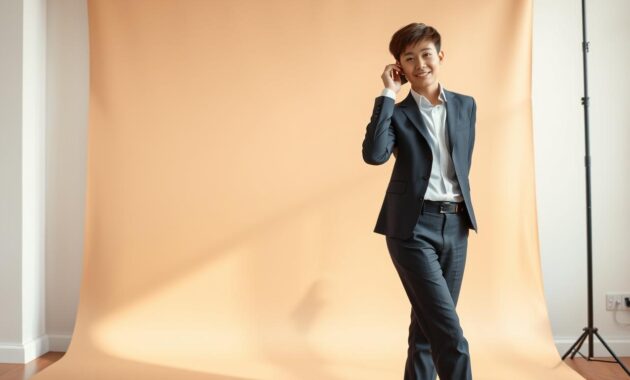
You can make agency-ready digitals with just your phone, a plain wall, and steady daylight. I’ll walk you through a simple setup that makes bookers see your real look fast.
What you need
Smartphone, natural window light, plain wall. Place the camera at eye level and shoot in open shade or indirect daylight. That way the photos show true skin tone and proportions. Make sure the distance stays consistent between frames.
What to wear
Choose fitted basics that show shape—simple jeans and a plain top work. No busy patterns or heavy styling. Agencies want to read your features and posture, not your clothes.
Non-negotiables & timing
No filters, no beauty apps, no retouching. Submit honest images only. Take 4–6 frames: headshot front, profile, half-body front, full-body front and side. Refresh every 6–12 months or sooner after a haircut, color change, or weight shift.
| Shot | Purpose | Keep |
|---|---|---|
| Headshot (front) | Skin, bone structure | Yes |
| Profile | Facial proportions | Yes |
| Half-body | Expression and posture | Yes |
| Full-body | Shape and stance | Yes |
The Must-Have Portfolio Shots Agencies Look For
Your book should answer a casting director’s questions before they have to ask them. Below is the compact set agencies scan first. These frames reduce uncertainty and make you easy to cast.
Clean beauty close-up
Show skin, bone structure, and controlled expression. Use strong, even light and minimal retouching so your features read clearly.
Natural headshot
Minimal styling, true proportions, honest expression. This is the photo agents expect when they meet you.
Profile and full-body views
The profile shows facial balance. Full-body front and side show posture, lines, and proportions for runway and commercial calls.
Half-body and movement
A three-quarter frame is the most usable crop for castings. Add a movement shot to prove body control and runway rhythm.
Commercial, fashion, and range pieces
Include one commercial lifestyle photo and one fashion frame that holds a concept. Finish with a personality shot and a detail beauty close-up highlighting eyes or hands.
| Core shot | Purpose | Keep |
|---|---|---|
| Beauty close-up | Skin and bone structure | Yes |
| Headshot | True-to-life look | Yes |
| Full-body | Proportions and posture | Yes |
| Commercial / Fashion | Range and style | Yes |
Choosing the Right Photographer (and When to Go Professional)
Choosing the right photographer can make bookings happen, not just prettier images.
I look for people who understand agency standards and the industry language. A good photographer frames honest skin, steady light, and consistent crops. That matters because agents decide in seconds.

Where to find trusted photographers
Start with referrals from other models and local groups. Check who shoots for nearby agencies and follow agency-tagged posts. Meet in public, verify names, and ask for a recent portfolio before booking time.
Using TFP and setting clear expectations
TFP (trade-for-portfolio) is useful for early experience. Agree on deliverables, usage rights, and timelines in writing. Treat vague promises or pressure as red flags—your safety and your images matter more than free work.
When to hire a pro
- Hire professional when an agency asks or your DIY images no longer reflect your potential.
- Choose photographers who coach calmly and deliver consistent edits.
- Protect yourself: verify identity, bring a friend if new, and refuse anyone who resists transparency.
| Need | What to check | Why it matters |
|---|---|---|
| Agency-ready shots | Clean light, honest skin, simple framing | Matches casting expectations and speeds decisions |
| TFP collaboration | Written deliverables, usage terms, deadline | Avoids unpaid work that limits future use |
| Safety | ID verification, public meeting, clear communication | Reduces risk and ensures professional conduct |
Choose and Curate Your Final Images for Maximum Impact
A strong edit lets agents remember you after one quick scan. Keep your book tight. I aim for about 10–20 photos so a reader can scan fast and still recall your look.
How many photos to include without overwhelming a book
Less is strategic. If two frames do the same job, drop the weaker one. That breathing room makes the lead image land harder.
Selection checklist
- Sharp focus and clean light.
- Accurate skin tone and current hair.
- Consistent quality across every frame.
- No styling that competes with the face.
Labeling and credits
Keep a simple file name system: lastName_shotType_photographer.jpg. Note makeup, hair, and usage rights in a single spreadsheet. This saves time and keeps conversations professional.
| Item | Why it matters | Action |
|---|---|---|
| Lead image | Sets tone for the book | Pick the clearest, most honest frame |
| Duplicates | Clutters memory | Remove similar frames; keep the stronger |
| Quality check | Professional standard | Match exposure, color, and sharpness |
| Credits | Professional follow-up | Record photographer, hair, and makeup |
Build a Model Portfolio Website That Gets You Booked
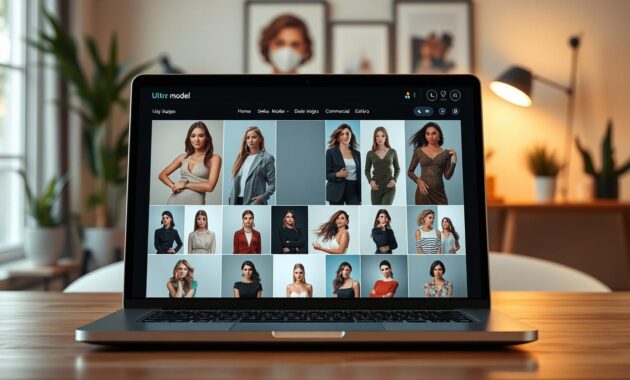
A quiet, well‑organized website often beats a bulky PDF when agents check you between meetings. An online portfolio is the cleanest professional signal you can send. It’s faster for busy people and more durable than loose folders or long email threads.
Essential pages beyond images
Keep three pages obvious: About, Contact, and a gallery of images. Your About should be short, human, and include basic stats and location. The Contact page must make booking simple—email, agent link, and one phone line.
Hosting and templates
Pick a host and template you can update without stress. I prefer platforms that offer clean galleries and fast load times. Templates are fine—choose one that doesn’t fight your images.
| Option | Ease | When to use |
|---|---|---|
| Site builder (Squarespace) | High | Quick, polished portfolio |
| WordPress + theme | Flexible | Custom needs, growable site |
| Model-specific platform | Fast setup | Straightforward, less custom |
Make it scannable for industry professionals
Lead with a strong hero image, clear menu, and simple type. Limit clicks—gallery categories only if they help navigation. Show basic stats, location, and booking info without oversharing.
Truth: the best sites feel quiet and confident. Let the work speak, and make it obvious for the people who decide fast.
Get Your Modeling Portfolio Seen by Agencies and Clients
Get your work in front of the right desks, not every inbox. Be methodical: read each agency’s submission page and match their format. A clean, precise packet increases the chance a model’s images reach the right reader quickly.
Submitting correctly
Follow rules exactly. Many agencies want digitals, basic stats, and a short note. Include height, measurements, shoe size, hair and eye color, plus a simple contact line.
Tip: Use plain filenames and one PDF or an online link. Don’t force them to search for what they asked for.
Networking that actually works
Show up at small events, meet photographers and stylists, and build repeat collaborations. Trust grows with steady, professional exchanges.
Pick agencies and clients that match your lane. If you aim for commercial work, don’t pitch runway energy. Aim alignment saves time and improves responses.
Use social media as a support channel
Post consistently and highlight a few of your best frames. Always link back to your website—your portfolio is the asset and every DM or intro is distribution for that asset.
Expect rejections. Keep momentum by refreshing images and following up politely. Visibility compounds when your materials are ready and your approach is steady.
- Submit: read rules, format exactly.
- Include: digitals + clear stats.
- Network: small events, repeat collaborations.
- Social: support the website, don’t replace it.
| Field | Why | Example |
|---|---|---|
| Digitals | Shows current look | Head, profile, full-body |
| Stats | Quick fit check | Height, measurements, shoe |
| Contact | Easy reply | Email, phone, site link |
Conclusion
Clear photos that show who you are now will open more doors than trend-driven shoots.
I’ll recap the simplest path: start with honest digitals shot in natural light, unretouched, then work toward the 11 agency-ready shots once your foundation is steady.
Keep clarity as your rule: clear face, clear body lines, and clear range beat overproduced images every time.
Make every shoot purposeful. If an image does not earn its place, cut it. Update your book when your look changes—don’t let it become a history lesson.
Consistency beats intensity. Small, steady upgrades build a portfolio agents trust.
Next step: pick your lane, capture fresh digitals this week, and add the missing shots one by one.
FAQ
What is a model portfolio and what do agencies expect today?
What’s the difference between digitals (polaroids) and creative images?
How many images should I include in my book or online gallery?
Which must-have shots will make my portfolio agency-ready?
When should I update my images and digitals?
Can I take professional digitals at home with my smartphone?
When should I hire a professional photographer?
What is TFP and is it worth pursuing?
How should I plan outfits, hair, and makeup for a shoot?
How do I choose and curate final images for strongest impact?
What should a model website include beyond photos?
How do I submit my portfolio to agencies correctly?
Can social media replace my portfolio website?
How do I find photographers who understand agency standards?
What common mistakes should I avoid when creating my book?

I’m Rodrigo Durães, founder of CareersForge — the world’s leading career platform — and recognized as one of the most comprehensive and experienced career and life coaches globally. With multiple academic degrees from the world’s top universities and over two decades of experience as a CEO, my mission is clear: to help people unlock their full professional potential through honest, strategic, and proven content.