
Can a dream of becoming a model survive the long days, repeated takes, and the need for thick skin? I ask that because the industry often looks glamorous from the outside. In reality, success comes from steady prep and reliable habits.
I’ve seen many aspiring faces win early by focusing on what they can control. Clean digitals, a simple book, safe test shoots, and clear communication matter more than chasing fame overnight.
This short guide sets realistic expectations and outlines a confidence plan. You’ll get mindset tips, niche choices, practical materials, agency basics, casting habits, on-set skills, safety notes, and business fundamentals.
My promise: these steps are about traction, not hype. Be prepared, be reliable, and your chances of repeat bookings will rise. Stick with the plan and measure beginner wins along the way.
Table of Contents
Understanding the Modeling Industry Today
Behind every campaign is a simple job: a model makes an idea feel real and convincing for an audience. In practice, clients book models to convey emotion, authenticity, and a clear message that helps sell products or services.
What models actually do for brands, clients, and campaigns
Models embody a role through posture, facial expressions, gestures, and presence. That presence turns creative direction into results that clients measure.
Common realities behind glossy fashion magazines and media
Fashion magazines and other media present a finished product. A whole team—creative directors, stylists, lighting, and retouching—crafts that image. Schedules can be long and casting rooms crowded; e-castings often include dozens or 100+ hopefuls.


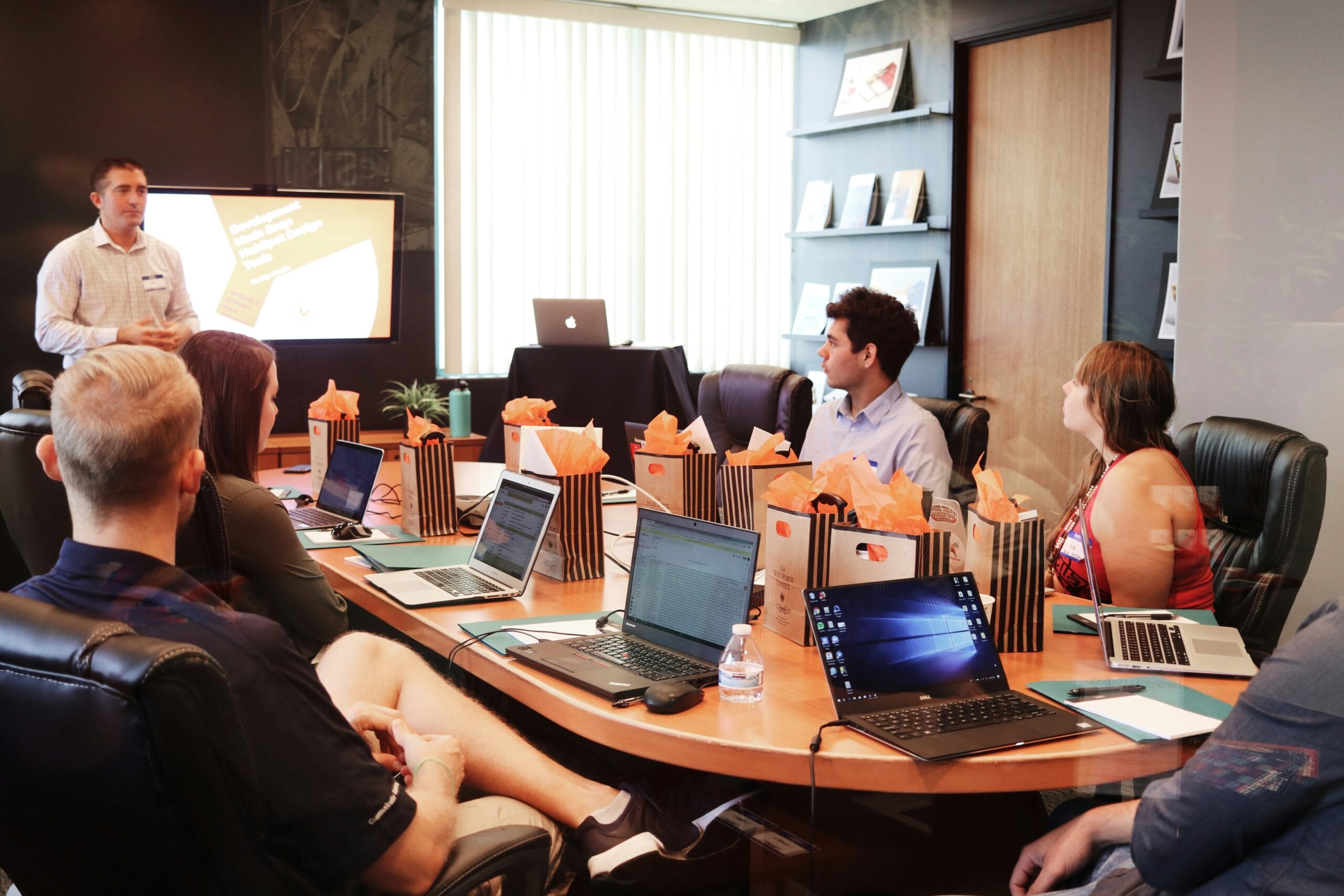

Why thick skin and professionalism matter
Honest feedback on set is about the shot, not your worth. I’ve seen that reliability, punctuality, and the ability to take direction lead to repeat bookings more than looks alone.
- Clients want outcomes, not just pretty pictures.
- Separate job feedback from personal value.
- Being easy to work with keeps you booked.
| Role | Clients Expect | Real-World Note |
|---|---|---|
| Model | Emotion, presence, consistency | Long days; varied directions |
| Brands | Clear message, sales lift | Work with teams behind the scenes |
| Media / Fashion magazines | Polished final images | Many hands craft the result |
how to start modeling for beginners with the Right Mindset
Confidence and stamina are the quiet skills that keep bookings coming. I’ve seen models who prepare their body and mind get more repeat work. This is about small practices that add up over time.
Building confidence, stamina, and discipline for long shoot days
Practice weekly. Do quick posing drills, shoot simple digitals, and note tiny gains. Evidence builds real confidence.
Treat your body like an athlete. Hydrate, sleep well, stretch before long days, and pace your energy through breaks.
Handling criticism and protecting your boundaries on set
Listen for clear, actionable notes: “chin down,” “soften hands.” Apply them and move on. Ignore anything personal.
Use firm, polite phrases when needed: “I’m not comfortable with that wardrobe change,” or “I need a second to reset.” Those lines keep things professional.
Why reliability leads to repeat bookings with agencies and clients
Being on time and calm under pressure is a career short-cut. I’ve seen less experienced but dependable talent rehired faster than flashier, inconsistent faces.
| Focus | Practical Action | Benefit |
|---|---|---|
| Confidence | Weekly posing practice and digitals | Shows steady improvement |
| Stamina | Hydration, sleep, stretching | Better performance on long days |
| Boundaries | Set clear, polite phrases on set | Protects safety and reputation |
| Reliability | Arrive on time; follow direction | More calls from agencies and clients |
Small habits pay off: build them now and your career will gain real momentum. Consistency earns bookings, and bookings build a business.
📚 Read Next
Back to the Master Guide: This is just the beginning. For the full career roadmap, read our main guide on How to Become a Top Model.
Next Step: Once you are ready to start, verify if you meet the physical criteria by reading Top Model Requirements: 12 Real Standards.
Safety Warning: The Federal Trade Commission (FTC) warns aspiring models to be wary of agencies that ask for upfront fees before signing.
Choosing Your Best-Fit Types of Modeling
I’ll help you pick a starter lane that fits your look, personality, and local market realities. This matters more than chasing glossy examples online. Pick work that highlights your strengths while you build a reliable book.
High fashion versus commercial expectations
High fashion often demands a very specific silhouette and strict requirements for runway and editorial work. Editorial shoots lean on shape and posing. Commercial fashion is broader and favors relatability for ads and catalogs.
Common niche descriptions
Runway means strict height and measurements. Fit models work behind the scenes with brands during fittings. Parts models focus on hands, feet, or hair details. Promotional work rewards outgoing energy and friendliness.
Appearance-based niches and staying flexible
Plus-size, petite, mature, and male models each have real demand today. Inclusion grows, but each niche follows its own market patterns. I’ve seen early diversification help talent avoid being pigeonholed.
- Pick 1–2 primary types now.
- Build 3–5 solid shoots that show range.
- Keep your portfolio clean and intentional.
Knowing Basic Requirements Without Getting Discouraged
Knowing realistic requirements keeps ambition active, not crushed. I’ll give clear height guidance and explain what truly matters in this industry.
Typical height ranges and what they mean
Many agencies list ranges as a starting point. For women, fashion: 176–180 cm; advertising: 172–181 cm. For men, fashion: 186–190 cm; advertising: 184–194 cm.
Another guideline labels high fashion roughly 5’8″–5’11”, with occasional exceptions. Use these numbers for planning, not self-judgment.
Why numbers aren’t the whole story
Agencies often scan for presence, posture, and how a face reads on camera. Charisma, grooming, and versatility can outweigh small measurement gaps.
Runway stays stricter for consistent garment fit. Advertising is more flexible because brands seek a certain look or relatability.
Setting healthy expectations
I suggest honest self-assessment: recent photos, feedback from pros, and niche selection. You might miss one lane but find steady work in another.
- Use measurements as guidance, not a gate.
- Focus on posture, energy, and camera range.
- Explore commercial, e-commerce, and social campaigns in the U.S.
| Requirement | Typical Range / Note | What agencies notice |
|---|---|---|
| Women (fashion) | 176–180 cm | Shape, posture, presence |
| Men (fashion) | 186–190 cm | Bone structure, carriage, versatility |
| Advertising | Women: 172–181 cm; Men: 184–194 cm | Relatability, expression, grooming |
Quick note: be kind to yourself. The world of models is wide. With clear expectations and honest effort, people find a real path forward.
Creating Strong Modeling Digitals That Agencies Trust
Clear, honest digitals let an agency see what you bring on a normal day. Digitals are simple, unfiltered photos that show your current look. Think of them as a quick, truthful snapshot for a scout.
Smart smartphone setup
Use daylight near a plain wall. Natural window light is the best option. Avoid harsh shadows and busy backgrounds.
Ask a friend or use a tripod for straight-on framing. Keep posture natural and stand a few feet from the wall so proportions read well.
Shots and wardrobe that read clearly
Send these basic photos: front full-body, side full-body, back full-body, and a clean headshot. An optional profile face photo helps, too.
Wear a fitted tee or tank with jeans or leggings. Minimal jewelry, clean hair, and natural makeup let a model’s shape and features show.
Key stats and trust checks
Include: height, bust/waist/hips or chest/waist, shoe size, clothing size, location, and a clear contact method or website link.
Make sure digitals are current and unedited. No heavy filters, no extreme angles. If a photo doesn’t look like your everyday self, replace it.
| Item | Why it matters | Simple tip |
|---|---|---|
| Front full-body | Shows posture and proportions | Stand straight, arms relaxed |
| Headshot | Shows facial structure and skin | Neutral expression, avoid filters |
| Side & back | Gives a complete silhouette read | Same outfit and distance as front shot |
| Stats | Meets agency requirements and bookings | List clearly near contact info |
Building a Beginner Portfolio That Books Shoots
Your portfolio should answer three simple questions: Can you photograph? Do you read on camera? Do you fit the brief clients need?
Starter set every model needs
Begin with 8–12 clean images. Include one natural headshot and one clear full-body. Add 3–5 looks that show personality and range.
Swimwear and underwear—when to include them
If your lane is fashion, e‑comm, or fitness, include tasteful swimwear or underwear shots. Skip them if they don’t match your specialization or if you feel unsafe.
Editorial tests that actually help book work
Plan test shoots like a mini campaign: a simple theme, strong styling, clear lighting, and deliberate posing. Work with photographers who understand casting needs.
Tearsheets and publications
Present tearsheets neatly. Use clean scans or links for digital books. Add an “As Seen In” line with correct credits—no embellishment.
- Quality beats volume: I’ve seen one focused update open more doors than many random shoots.
- Keep the layout simple. Let images and credits read fast for castings.
Getting Test Shoots and Experience Without Wasting Money
Treat test shoots as small projects with clear deliverables and timelines. That mindset saves time and protects your portfolio.
TFP is a professional agreement, not a casual hangout. Put expectations in writing: which images you receive, when edits are due, and any usage limits. I’ve seen clarity prevent awkward conversations later.
Finding collaborators who are building their books
Look on Instagram, local creative groups, and student fashion programs. Meet people who want real portfolio work, not just followers. Evaluate their portfolio for consistent lighting and credited projects.
What good experience looks like
Good shoots produce agency-appropriate images and teach set etiquette. You should practice taking direction and learn pacing under real shoot conditions.
Vetting checklist and money traps
- Check consistent quality and real credits before committing.
- Ask for a simple timeline and image delivery date.
- Avoid paying high fees for unclear promises of “exposure.”
- Limit similar looks in your book—one intentional test per month beats filler.
| Item | Good Outcome | Warning Sign | Quick Action |
|---|---|---|---|
| Photographers | Clean reels, credited work | Inconsistent lighting, no credits | Request contactable references |
| Stylists / HMU | Portfolio fits your niche | Vague role or unpaid extras | Confirm look and deliverables in advance |
| Shoot plan | Clear mood, shots list, timeline | No plan, long vague meetups | Ask for a shot list and edit timeline |
| Safety | Public meet, check-ins, location shared | Private locations with no references | Bring a friend or decline |
My final tip: treat every collaboration as a small contract. That protects your time, your money, and your career progress.
Making Your Online Portfolio and Sedcard Easy to Share
A clean online presence wins bookings because decision makers move fast and value clarity. I’ve built simple sites that let a client decide in seconds.
What to include on a simple website: a homepage book, a digitals page, stats, contact info, and an optional press or tearsheets section. Lead with your most bookable image and keep labels short.
One-page sedcard that works
A sedcard is a quick decision tool for clients. Show a clear headshot, a full-body, your stats, and location on a single screen. Make it downloadable as a PDF comp card for casting rooms.
Keeping your portfolio updated
Replace older photos as your look and skills improve instead of piling on images. Aim for a tight edit: quality over number. Update after three strong shoots or when your measurements change.
- One clean link in your bio beats multiple pages.
- Name files consistently and add photographer credits.
- Keep a short PDF comp card ready for email attachments.
| Item | Purpose | Quick tip |
|---|---|---|
| Homepage book | Show range and mood | Lead with commercial-friendly shot |
| Digitals page | Unedited, true look | Include front, side, back, headshot |
| Stats & contact | Fast reference for clients | Keep sizes and location visible |
Real-world note: clients are busy—if it takes longer than 30 seconds to read your portfolio and see sizes, you risk losing the booking. I recommend one strong link and a tidy sedcard that sells your model career clearly.
Finding Reputable Modeling Agencies in the United States
A solid agency should act like a coach, negotiator, and open door all at once. I’ve seen great teams guide careers by booking castings, handling contracts, and planning growth steps with clear timelines.

What a good agency does
A reputable agency offers transparent commission details, real client work, and active management of your schedule. They negotiate rates, advise on usage rights, and arrange travel or placements with partner offices in other markets.
How agencies build your portfolio with strong shoots
Agencies connect models with photographers who produce images that book commercial work. Expect fewer, better tests—shoots that focus on clean lighting, castable looks, and images that fit casting briefs.
Red flags and scams to avoid
Watch out for anyone who pressures for large upfront fees or promises instant fame. Legitimate management typically earns via commission on paid bookings, not thousands in advance.
- Check their board, client list, and whether models have real credits.
- Ask for contracts in writing and clear commission rates.
- If they rush you, pressure your wallet, or won’t provide references, walk away.
| What to check | Why it matters | Quick sign |
|---|---|---|
| Client credits | Shows real bookings and industry ties | Campaigns or e‑comm links |
| Transparent fees | Protects your earnings and usage rights | Written commission and expenses |
| Model testimonials | Confirms reputation and management style | Repeat bookings and named credits |
Approaching Agencies Like a Pro
A tidy, professional submission shows you understand the business and respect their time. I’ve seen clear, honest materials get faster replies than long, emotional messages.
What to send: digitals, stats, and a short cover email
Make sure your digitals are recent and unedited. Include front, side, back, and a clean headshot plus accurate stats—height, sizes, shoe, and location.
Keep the cover email brief and confident: one line of introduction, one link to your portfolio, and one sentence of availability. Use a simple subject line and avoid heavy filters or long life stories.
Social media scouting and hashtags
Agencies use social media and hashtags to scout talent, but they want a professional feed. Tagging and concise captions help discovery when your profile reads like a working model and not random selfies.
After you submit: callbacks, interviews, and next steps
Expect a range of responses: no reply, a quick ask for updated digitals, or an invitation for a callback or interview. Timelines vary by roster needs and market demand.
Emotionally: rejection often reflects timing, not your value. Make sure your measurements match every submission—accuracy builds trust faster than charm alone.
- Submission checklist: clean digitals, accurate stats, simple subject line, one portfolio link.
- What not to do: filter-heavy shots, oversharing, pushy follow-ups.
- Next steps: updated photos, virtual or in-person meeting, and small development asks from the agency.
| Item | Why it matters | Quick tip |
|---|---|---|
| Digitals | Show current look | Natural light, plain background |
| First impression | Short, professional subject and body | |
| Social profile | Discovery channel | Consistent feed that reads “model” |
Using Social Media to Get Noticed by Brands and Agencies
A smart social feed can act like a digital comp card for booking teams. Make your account a clear storefront: concise bio, city, a short link to your book, and optional stats if you’re comfortable sharing them. Keep the tone professional and honest.
Creating a professional Instagram and TikTok presence
Lead with a clean profile image and a simple pinned post that shows your most bookable look. Use highlights or pinned reels for digitals-style clips and a quick sedcard video.
Content that helps you book
Post short posing clips, walk videos, and behind-the-scenes that prove you follow direction. Keep backgrounds tidy and lighting consistent so scouts see your range at a glance.
Tagging, hashtags, and feed strategy
Use focused hashtags and always credit photographers and stylists. Avoid long walls of tags. Aim for a cohesive grid: consistent light, variety of looks, and no distracting personal posts.
Networking in DMs like a professional
Be concise and specific. Offer a one-line intro, link to your book, and a clear ask—no pressure or emoji-heavy pitches. If you don’t get a reply, move on gracefully.
Honestly, I’ve seen oversharing cost opportunities. Make public profiles support the career you want.
Preparing for Castings, Go-Sees, and E-Castings
Castings are a working interview where presence often outweighs polish. Treat each call like a short job interview: be on time, clear, and prepared. Clients and casting teams notice reliability fast.

What to bring
Pack a compact kit: a printed comp card or sedcard, updated measurements, clothing and shoe sizes, and a simple outfit that reads clean on camera.
Add: heels or clean shoes, a small comb, and contact info on paper. Keep copies of your stats handy for quick reference.
Runway versus print and advertising
Runway castings often ask for a walk and quick turns. Practice shoes and posture. Print and advertising castings focus on facial range, micro-expressions, and camera presence.
Stand out quietly
- Posture: strong spine, relaxed shoulders.
- Presence: calm eye contact and quick compliance with direction.
- Efficiency: give short answers, move when asked, no drama.
| Type | Main Focus | Quick Prep |
|---|---|---|
| Runway | Walk, carriage, shoe work | Practice in heels; bring clean shoes |
| Face, expression, versatility | Headshots, neutral makeup | |
| Advertising | Relatability for clients | Bring commercial-friendly looks |
E-castings: shoot clean self-tapes with even light, clear framing, and a slate with name and height. Match your video to your digitals—honesty matters.
Waiting time is real. Bring something quiet, stay respectful, and remember: the job often goes to the person who is prepared and pleasant under pressure.
Practicing Skills That Show Up on Set
Small, focused practice sessions make the skills that matter on set feel natural. I’ve seen confident models earn bookings because they practiced transitions, not single poses. Practice becomes a visible asset when you arrive calm and ready.
Posing basics: micro-expressions, movement, and “stop-motion” flow
Think of posing like a flip book. Move between related positions with small, controlled shifts. That creates fluidity and keeps images honest on camera.
Micro-expressions are tiny face adjustments—an eyebrow lift, a softer mouth—that read strongly on a still. Practice them with a phone timer: set 20–30 second clips and repeat subtle changes until they feel deliberate.
Runway fundamentals: walking, turns, and shoe confidence
Start with a straight walk: steady gaze, relaxed shoulders, long spine. Add practiced stops and clean turns. Shoe drills—walking in several heel heights—build balance and calmness under pressure.
Classes that help: acting, yoga, and dance for body awareness
Acting teaches intention and clear choices. Yoga gives control of breath and posture. Dance improves rhythm and line. A mix of these classes quickly shows up in better set presence.
- Posing drills: transitions, hand placement, neck length, and face control under bright lights.
- Micro-expression practice: use short phone clips and a timer for repeatable results.
- Runway routine: straight walk, paced stops, clean turns, and heel confidence exercises.
- Class picks: beginner acting, gentle yoga, and foundational dance.
- Grooming note: tidy hair and neat nails signal professionalism and readiness.
| Skill | Practice Tip | Quick Benefit |
|---|---|---|
| Posing transitions | Link 3–5 related moves into a short sequence | Creates natural variety on set |
| Micro-expressions | Record 20–30s clips and refine tiny changes | Stronger camera reads without acting big |
| Runway walk | Walk straight, add stops, rehearse turns in heels | Confidence in castings and shows |
| Cross-training | Weekly acting, yoga, or dance class | Better intention, balance, and rhythm |
Reality check: natural talent helps, but practice and coachability win clients. Be the person who learns quickly and arrives prepared—that’s the short route to repeat bookings.
Staying Safe During Shoots and Collaborations
Your safety should be the non-negotiable part of every collaboration. I’ve seen good portfolios ruined by one bad meeting. Protecting yourself is professional practice and preserves your career.
Safety rules when you meet people found online
Verify identity: check real portfolio history, consistent social profiles, and references. Meet in public first and bring a friend for early meetings. If a person or plan feels vague, decline.
Location sharing, check-ins, and support
Make sure someone knows your schedule. Share location and set check-ins at fixed times. Bring support on first shoots—this is simple, effective protection.
Recognizing uncomfortable direction and asserting boundaries
Use short scripts: “I’m not comfortable with that wardrobe,” or “I need that closed set, please.” If direction becomes unreasonable, leave, document what happened, and report it.
- Vetting photographers: ask for credits, sample contracts, and timeline in writing.
- If something feels off: prioritize leaving and documenting over one unpaid image.
- Make sure your agreements are clear—usage, payment, and safety expectations.
| Action | Why it matters | Quick tip |
|---|---|---|
| Verify identity | Confirms intent and reputation | Check past client or agency credits |
| Share location | Provides an emergency trail | Set automatic check-ins |
| Assert boundaries | Protects dignity and safety | Use firm, polite language |
Final note: practicing safety is also a career move. The people who make sure they are safe last longer in this business and earn more trust from agencies and clients. These are practical tips you can use right away.
Understanding the Business Side of Modeling
Understanding pay, rights, and record-keeping gives you confidence on set. I’ll keep this simple: money and legal terms shape your day and your long-term earnings.

How models get paid: hourly vs. day rates
Some jobs pay by the hour, others by the day. Hourly work often covers short gigs; day rates bundle fittings, shoot time, and basic usage into one fee.
Always confirm what’s included: overtime, fittings, hair and makeup, and travel. Ask if travel time counts as paid time.
Usage rights and photo lifespan
Your photos are an asset. Brands may need images for a single online campaign or for years of packaging and ads.
Usage rights change the price. If a brand asks for extended web, print, or global use, that should raise your fee or trigger an added usage payment. Agencies often negotiate these terms for you.
Tracking expenses, travel, and taxes
Track mileage, wardrobe purchases, test-shoot costs, and travel receipts. Keep a simple spreadsheet and save receipts.
Pro tip: separate a folder for paid work vs. test shoots so tax time isn’t a scramble.
- Confirm rate structure and included items before accepting work.
- Ask concise, professional questions about usage rights and term length.
- Record expenses and keep clear receipts for deductions.
| Item | What to check | Quick action |
|---|---|---|
| Payment type | Hourly or day rate; overtime rules | Get rate details in writing |
| Usage rights | Duration, territory, media (web/print) | Negotiate fee for extended use |
| Expenses | Mileage, wardrobe, travel, test fees | Log receipts; track in a spreadsheet |
| Agency role | Negotiates terms and protects earnings | Confirm commission and contract details |
Growing Your Career Over Time
Careers grow when steady professionalism turns single jobs into repeat calls. I’ve seen small, consistent wins stack into bigger opportunities. It’s not magic—it’s a clear sequence of actions and habits that clients respect.
Building momentum from small jobs to bigger clients
Start with reliable performance on every job: arrive on time, follow direction, and send a prompt thank-you. Repeat bookings often follow one strong delivery.
Layer your book: simple commercial shoots, a clean e‑comm set, then strategic editorial tests. Each step strengthens agency trust and opens larger briefs.
Why major markets and placements matter
Major markets—New York, Los Angeles, Miami, and international hubs like Paris, Milan, and London—expand client types and budgets. Agencies arrange placements and travel when your book proves reliable.
Work abroad can be rewarding and tiring. Expect long hours and jet lag. Plan routines that keep energy steady if you accept overseas bookings.
Maintaining your look and daily care
Simple routines protect your instrument. Basic skincare, regular hair trims, clean nails, good sleep, and short stress breaks keep you camera-ready without obsession.
Small habits—hydration, sunscreen, and a consistent sleep window—pay off more than drastic changes. Longevity beats intensity: stay bookable and healthy over time.
Quick comparison
| Focus | Short Action | Benefit |
|---|---|---|
| Small jobs | Deliver reliably and politely | Repeat bookings from the same clients |
| Market placement | Build agency trust, accept short trips | Access to larger clients and budgets |
| Look maintenance | Daily skincare, sleep, nail care | Consistent, camera-ready presence |
Conclusion
Quick step, pick one small action this week and commit to it.
Progress in the modeling industry shows up when you treat each shoot like a lesson and each booking like proof. I’ve seen confidence come from preparation and clear evidence, not from waiting to feel ready.
Recap the path: mindset first, pick a lane, make honest digitals, build a clean portfolio, gain safe experience, then approach agencies and clients professionally.
Non-negotiables: reliability, clear boundaries, personal safety, and steady practice. Those traits create durable success and a trusted personal brand.
If you want to become model, choose one step now—update digitals, refresh a portfolio page, or send three submissions—and follow through. Keep going; sustained effort brings real results.
FAQ
What exactly do models do for brands, clients, and campaigns?
What are the common realities behind glossy fashion magazines and media?
Why does the industry say you need “thick skin” and professionalism?
How do I build confidence, stamina, and discipline for long shoot days?
How should I handle criticism and protect my boundaries on set?
Why does reliability lead to repeat bookings with agencies and clients?
What’s the difference between high fashion and commercial modeling expectations?
What types of modeling should I consider: runway, editorial, print, fitness, parts?
How do appearance-based niches like plus-size, petite, mature, and male modeling work?
How can I avoid getting pigeonholed while I build experience?
What are typical height ranges for runway and advertising work?
Do agencies look beyond measurements?
What healthy expectations should I set for my path in the industry?
How do I create digitals that agencies trust using a smartphone?
What should I wear so my shape and proportions read clearly?
What key stats should I include when submitting to agencies?
What are portfolio essentials that actually book shoots?
When should I include swimwear or underwear images in my portfolio?
What do editorial concepts and test shoots add to a beginner portfolio?
How should I present tearsheets and publications professionally?
How can I use TFP (time-for-prints) collaborations without wasting money?
How do I find photographers, stylists, and HMU artists who are building too?
What does “good” experience look like versus filler shoots?
What should a simple modeling website include?
How do online sedcards help clients review me quickly?
How often should I update my book as I gain new work?
What does a reputable agency in the United States actually do?
How do agencies help build a portfolio with strong test shoots?
What are red flags and scams when an “agency” asks for big upfront fees?
What should I send when approaching agencies?
How are social media scouting and hashtags changing agency discovery?
What happens after I submit to an agency—callbacks, interviews, next steps?
How can I create a professional Instagram and TikTok presence?
What content helps book work: test clips, BTS, and clean posts?
How should I tag and use hashtags without sounding desperate?
How can I network in DMs without being unprofessional?
What should I bring to castings, go-sees, and e-castings?
How do runway castings differ from print and advertising castings?
How do I stand out with posture, presence, and efficiency?
What posing basics should I practice for micro-expressions and movement?
What runway fundamentals are essential: walking, turns, and shoe confidence?
Which classes help modeling skills: acting, yoga, or dance?
What safety rules should I follow when meeting creatives found online?
How can location sharing, check-ins, and bringing support help on shoots?
How do I recognize uncomfortable direction and assert boundaries?
How do models typically get paid: hourly vs. day rates?
What are usage rights and how long can brands use my photos?
How should I track expenses, travel, and manage basic taxes?
How can I build momentum from small jobs to bigger clients?
Why do major markets matter and what does modeling abroad look like?
How do I maintain my look: skincare, hair, nails, sleep, and stress management?

I’m Rodrigo Durães, founder of CareersForge — the world’s leading career platform — and recognized as one of the most comprehensive and experienced career and life coaches globally. With multiple academic degrees from the world’s top universities and over two decades of experience as a CEO, my mission is clear: to help people unlock their full professional potential through honest, strategic, and proven content.