
I wrote this guide to show the practical, low-drama path I’ve used to go global from where I live. About 5.5 million Americans now live overseas, and employment at U.S. affiliates abroad rose nearly 7% between 2021 and 2022. I’ll show clear steps that protect your income, identity, and momentum.
I’ll map simple actions: define goals, align current work with remote options, and build a runway that keeps your life stable. I’ve seen experienced professionals find roles on Hiring Cafe, Remote OK, Indeed Worldwide, and EuroJobs without starting over.
FREE TOOL FOR THIS TOPIC
International Career Readiness Planner
Built specifically for readers of How to Build an International Career Without Leaving Home. Answer four quick questions to receive a focused result immediately—no email required.
International Career Readiness Planner
Identify the evidence and logistics needed for a cross-border career goal.
Continue building your career
Use another free CareersForge resource to turn this result into your next application, resume or interview step.
You don’t need to drop everything. You need clarity, a plan, and steady action that fits real life. I’ll share what worked for me and my clients: how to position value for the world, where to hunt for the right job, and how to communicate across cultures with confidence.


The point is practical design, not hype. This article is your companion and checklist—save it, work it, and come back as you make progress. If you want real change without burning your life down, you’re in the right place.
Table of Contents
Table of Contents
Why Going Global From Home Is Smarter Than Ever
Working globally from your current city is now a practical, low-risk strategy that pays off. Employers value international exposure. Hiring at U.S. affiliates rose nearly 7% from 2021 to 2022, which opens clear opportunities across countries.
I’ve seen people use focused research and a few strategic moves to earn more and gain leadership roles. About 5.5 million Americans live abroad now, and many report better work-life balance and healthcare after aligning roles to global markets.
You don’t need to uproot your life to test global options. Start by targeting companies where your outcomes matter. Present measurable results and cross-cultural communication as strengths.
- Remote-first teams and cross-border hiring make international roles accessible.
- Smart research helps you pick countries where your profile fits.
- Small experiments—short contracts or collaborations—reduce risk and build networks.
| Benefit | What I’ve seen | Typical impact |
|---|---|---|
| Salary uplift | Roles valuing global experience | Higher offers vs. local peers |
| Work-life balance | Flexible schedules, better healthcare | Improved wellbeing |
| Leadership growth | Cross-border projects | Broader scope in years |
Define Your Why and Choose Your Path
Start by naming the real reason you want global work; that clarity steers every choice you make. Is it language growth, a higher salary, broader leadership, or a calmer life? The answer narrows your options fast.
Clarify goals:
Clarify goals: learning, language, salary, lifestyle, or leadership growth
Write one clear goal and one timeline. Be honest about your season of life. If language fluency is essential, plan weekly lessons and roles that reward progress.
Pick your model: fully remote, hybrid abroad, contractor, or expat role
Match your goal to a model. Fully remote often gives steady immersion with less disruption. Contractors or hybrid setups let you test a place without full commitment.
- Think about the kind of people you want to learn from. Your path should put you near them, virtually or in person.
- Do quick research on role types in your target markets and on interview etiquette—Germany tends formal; Spain and Australia are more relaxed.
- Choose a way you can sustain for six to twelve months, not just in bursts.
| Model | Best for | Typical trade-off |
|---|---|---|
| Fully remote | Consistent work, global teams | Less in-market immersion |
| Hybrid abroad | In-market testing, learning | Periodic travel, logistic planning |
| Contractor | Flexible schedule, quick market fit | Income variability |
| Expat role | Full immersion, local benefits | Higher move complexity |
My tip: pick a track, commit for several months, and measure progress. Your place can be home while your reach becomes truly global.
Budget Like a Pro: Funding Your International Career Without Debt
Funding a cross-border shift without debt starts with a realistic savings plan and a little stubborn discipline. I recommend a runway of at least six months of living expenses. That cushion buys you options when surprises arrive.
Real story: one couple saved $45,000 in six months before moving to Germany. Their stash covered six weeks in a hotel, deposits, and setup fees when plans changed. That kind of buffer matters more than flashy gear.
Do simple cost-of-living research across target cities. Build a one-sheet comparing rent, groceries, transport, and health insurance so you can make informed tradeoffs.
- Your runway matters — aim for six months so one surprise does not derail the process or your confidence.
- Make sure you include unknowns: temporary housing, deposits, and setup fees.
- Trim at home: cut subscriptions, sell unused gear, and batch cook. These moves add up fast.
- Keep a small work kit budget (laptop, lighting, backups) so your job performance never dips.
| Action | Typical saving | Why it helps |
|---|---|---|
| Trim subscriptions & dining out | $300–$800/month | Frees cash quickly for runway |
| Sell unused gear | $500–$3,000 one-time | Boosts emergency fund |
| Side projects / bridge job | $200–$2,000/month | Shortens the timeline by years in some cases |
Finally, lock in health insurance, update IDs and passport early, and set easy access to emergency cash. This is about buying time and options so your next job and work choices are made calmly and on purpose.
How to Build an International Career Without Leaving Home
Start with a clear, low-risk plan that protects income while you expand reach. Many roles now run fully online. That means freelancing, teaching English, blogging, or asking your company for a remote arrangement are real options.

Audit your role first. List tasks that are asynchronous or digital. Note what you can measure and what others depend on. This makes a short pilot with your manager easier to sell.
Map skills to remote-friendly jobs
Match what you do with roles that hire globally: product, design, marketing, data, and customer success. Target industries that already hire remote teams. That focus helps you find job openings faster.
Create a realistic step plan
Use a staged timeline: 30 days to optimize LinkedIn, 60 days for outreach, 90 days to negotiate flexibility or accept offers. Keep savings until income stability matches your prior salary.
- Document wins: on-time delivery, cross-time-zone work, clear reporting.
- Pitch outcomes, not location—show how your plan protects team goals.
- Run two tracks: improve current work while applying selectively for jobs that fit.
| Stage | Action | Goal |
|---|---|---|
| 30 days | Audit role, optimize profile | Be visible to recruiters |
| 60 days | Targeted outreach, pilot with company | Secure interviews or trial period |
| 90 days | Negotiate terms or accept offer | Income stability matched |
Small, consistent steps win. Your home can be the launchpad. Protect core work time, use mornings or evenings for applications, and build proof that your company can trust you from anywhere.
Remote-First Job Search Strategies That Work Globally
A focused search process turns scattershot applications into meaningful global opportunities. Be deliberate about where and how you show up online, and you’ll spend less time chasing leads and more time in quality interviews.
Optimize LinkedIn and your resume for global roles
Polish your headline with clear outcomes and remote-ready skills. Lead with metrics and cross-border projects. Keep resumes concise and metrics-first; adjust length and photos by country norms.
Use the right job boards
Target boards that match your level and lane:
- Hiring Cafe — senior remote and hybrid roles.
- Remote OK — tech, design, and digital openings.
- Indeed Worldwide — broad reach for contractor and full-time jobs.
- EuroJobs — Europe-focused opportunities.
- Specialized: eFinancialCareers, TeachAway, Global Medical Careers, Stack Overflow Jobs.
Network and tailor applications
Build a short list of countries and do quick research on CV rules and interview style. Network across time zones with small, specific asks and regular follow-ups. Track every job and conversation in one sheet so weekly reviews keep you focused.
| Focus | Action | Benefit |
|---|---|---|
| Profile | Crisp headline + metrics | Pass global screeners |
| Boards | Use targeted sites | Better match with company needs |
| Outreach | Time-zone aware notes | Higher response rate |
Don’t spray applications everywhere. Pursue roles where your skills clearly solve urgent problems for the company and region. When your story matches the market, the right jobs become conversations, not cold leads.
Legal, Visa, and Immigration Essentials You Can’t Skip
Legal requirements shape your timeline; treat them as project milestones, not last-minute chores. I’ve learned this the hard way and now plan the paperwork before any trip.
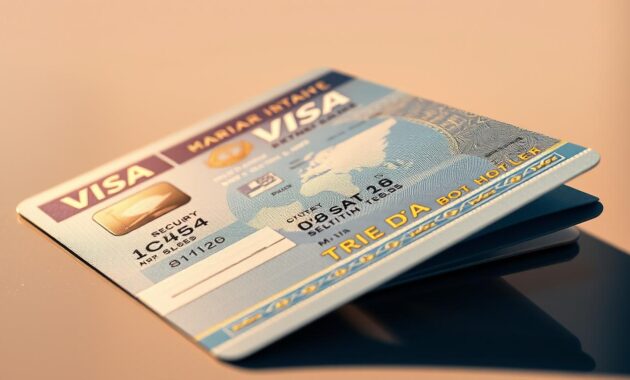
Understand the options: employer sponsorship, contractor status, and digital nomad visas carry very different legal and tax rules. Some roles sponsor; others expect contractor arrangements or a nomad permit.
- Learn the differences: sponsorship vs contractor vs digital nomad visas — each has unique tax and residency implications.
- Verify rules by country: make sure you check embassy sites or a reputable visa agency before booking travel.
- Begin early — the application process can take months. If you plan to stay a year, build renewal checkpoints into your calendar.
- Keep passport, IDs, and insurance current — these matter more than any packing list.
- Work abroad status affects banking and taxes; confirm what’s allowed under your visa category.
Quick note: embassy sites often list local doctors and hospitals. When in doubt, get answers from officials, not forums. Accuracy protects your work and your freedom to stay.
Set Up Your Global Work Infrastructure
Treat your tech and money stack as the foundation of your portable office. I learned this the hard way: reliable tools protect income and reputation. Pack the basics and set flows before you travel.
Messaging and quick connections
Install WhatsApp, WeChat, or Viber before you leave so you’re reachable the moment you land. Your friends and clients will expect fast replies over Wi‑Fi.
Payments and money transfers
Set up a legal, clean way to move money home. Use bank wires or services like WorldRemit — they often offer initial free transfers and avoid payment delays.
Security, video, and daily readiness
Honestly, small gear choices matter. Carry a neutral drape (I once used a black one) for consistent video backdrops. Add a good mic, soft lighting, and a stable connection.
- Protect data with a password manager, 2FA, and a trusted VPN.
- Create a go bag: spare charger, travel router, headset, and power strip that fits your place.
- Block time for deep work across time zones and document key workflows.
- Practice a 60-second meeting check so you always show up prepared.
- Learn Slack, Teams, or Notion deeply so your skills travel with you.
Small routines win. Wherever you are in the world, your presence and reliability tell the story before your resume does.
Test the Waters: One, Three, or Six Months Abroad
Treat a foreign stint like a lab: small variables, clear measurements, repeatable results.

One month is a clean pilot. It gives quick immersion with minimal disruption to your daily life. Use it for short-term roles or trial programs and focus on routines, housing tests, and timing for meetings.
Three months lets you settle and meet people who broaden your network. Expect better cultural learning and rhythm. The risk: your momentum and friendships often start just as your time ends.
Six months feels like truly working abroad. You’ll make real language gains, deeper professional connections, and a realistic routine. It also costs more time at home and requires clearer visa and banking plans.
- One month: low-risk, quick feedback, limited integration.
- Three months: stronger network, deeper learning, tricky timing.
- Six months: meaningful integration, bigger life shifts, greater payoff.
| Length | Primary benefit | Key trade-off |
|---|---|---|
| 1 month | Fast test of logistics | Little social depth |
| 3 months | Better networking | Leaves at growing momentum |
| 6 months | Real language and work gains | Greater life disruption |
Choose programs and plans that match your goal. Before you leave, confirm the right visa, set messaging apps, and arrange money transfers so your work abroad runs smoothly. Whatever length you pick, commit fully during that time — presence yields the clearest answers about whether a job abroad fits your life.
Skills, Language, and Experience That Stand Out Globally
Your story matters: lead with results that span teams and time zones, not job titles. I’ve found hiring teams favor clear impact, steady leadership, and a small dose of local language effort.
Highlight cross-cultural communication and leadership maturity
Lead with outcomes. Quantify how your skills improved revenue, reliability, or retention across teams in different places.
Real example: a 43-year-old healthcare executive used 15+ years of experience and leadership maturity to land a senior role in Europe with a 20% pay bump and relocation support.
Show proven impact and adaptability across countries
Emphasize adaptability: new systems, time zones, and stakeholders. Show concrete wins—a EU launch, APAC compliance work, or a LATAM rollout.
- Reduce onboarding time: present a short portfolio or case study that proves you add value from week one.
- Mentoring and crisis decisions travel well—name mentors or partners you’ve lifted up.
- Add language basics. Simple greetings and phrases speed trust and growth.
| Focus | Benefit | Example |
|---|---|---|
| Skills | Faster hire | Measured revenue or retention improvements |
| Experience | Immediate impact | Cross-border launch in 60 days |
| Language | Better teamwork | Local phrases increase trust |
Bottom line: frame experience as immediate value, show concrete skills, and add a bit of language effort. That combination makes recruiters invite you to the next interview and lets you start contributing fast in any new job.
Make the Move or Stay Home Base? Designing Your Lifestyle
Designing a life around remote work means deliberate choices about place, people, and pacing.
You can keep your home base and still go global. Remote-first roles let you craft a calm rhythm while you take global projects. I’ve seen people keep a house, rent it out, and travel on clear schedules.
If you choose to move, plan logistics clearly: leases, pet care, storage, and visa timelines. These practical steps protect your income and your peace of mind.
I prefer a staged approach: run a short test, try a domestic move, then consider abroad. Test runs teach what a good place feels like and save awkward surprises.
- Think in years, not weeks—pick what you can sustain over time.
- Design support systems so your work and life remain stable.
- Review your plan quarterly and adjust as your people and goals shift.
No single choice is right. Pick the version that fits your energy and values, then iterate. That steady design beats dramatic, romantic moves every time.
A Step-by-Step Action Plan to Start This Week
Small actions this week create momentum. Pick two countries and two role types, then write a single-sentence positioning statement that ties your value to measurable outcomes. This anchors your outreach and keeps the story tight.
Quick weekly timeline
- Day 1–2: Choose 2–3 target country markets and two role types. Write your one-line pitch.
- Day 3–4: Update LinkedIn and your resume to highlight remote outcomes, cross-cultural work, and numbers.
- Day 5–7: Save searches on Hiring Cafe, Remote OK, Indeed Worldwide, and EuroJobs. Set alerts for top jobs.
Early outreach and prep
Week 2, send ten thoughtful notes weekly to hiring managers or peers. Track replies and refine your message.
Week 2–3, craft country-specific CV versions and prep region-specific interview etiquette. Small changes—length, photo rules, tone—boost response rates.
Visa, savings, and systems
Week 3–4, identify a visa category: sponsored, contractor, or digital nomad. Make a checklist, book appointments early, and verify document timelines.
Save for runway: aim for at least six months of living costs. Automate transfers to a dedicated account and cut easy expenses first.
| Focus | Week | Goal |
|---|---|---|
| Targets & pitch | 1 | Clear country and role focus |
| Profile & alerts | 1 | Visible on Hiring Cafe, Remote OK, Indeed Worldwide, EuroJobs |
| Outreach & CVs | 2–3 | 10 notes/week; country CVs ready |
| Visa & savings | 3–4 | Visa checklist; six-month buffer |
Finally, choose one or two programs or communities this month for pipeline and accountability. Block weekly time for applications, networking, and follow-ups. Every two weeks, review metrics and double down where traction appears. Protect your energy—this is work, and steady focus wins.
As one public-service route with overseas assignments, the U.S. Department of State explains the Foreign Service Officer selection process. U.S. Department of State Foreign Service Officer selection process.
Conclusion
Make a simple promise, pick one path, run a short pilot, then repeat.
I’ve seen people lift their career and earnings by focusing on clear outcomes and the right jobs in chosen countries. Start with a one‑month pilot or a three‑month test, set messaging apps and money transfers, and keep six months of runway.
Lead with experience and measurable skills. Check visa rules early and adapt for cultural interview differences. Practice basic language phrases; they speed trust and unlock opportunities.
Use focused programs and boards—Hiring Cafe, Remote OK, Indeed Worldwide, EuroJobs—and keep weekly outreach. Don’t overcomplicate the idea: take the first step, iterate, and your work abroad path will become real this year.
FAQ
Can I grow a global work life while staying based in my country?
What remote job types are most common for global hires?
How do I know if my current job can become remote or international?
What savings should I aim for before committing to working internationally from home?
How do I search for jobs that hire across countries or accept remote applicants worldwide?
What legal and visa issues should I consider when working for a foreign employer from home?
Which payment options work best for cross-border salaries and freelancing income?
How do I maintain professional presence and security while working globally?
Should I test living abroad briefly before making a long-term change?
Which skills make candidates stand out for international remote roles?
How can I tailor applications for country-specific recruiter expectations?
Is it better to pursue remote work, contractor roles, or aim for sponsorship and relocation?
How quickly can someone transition to a global role from home?
What mistakes should I avoid when targeting international employers?
Where can I find support for visa and immigration research?
How do I keep career momentum and network internationally from my home base?
Can I earn competitive salaries remotely without relocating?

I’m Rodrigo Durães, founder of CareersForge — the world’s leading career platform — and recognized as one of the most comprehensive and experienced career and life coaches globally. With multiple academic degrees from the world’s top universities and over two decades of experience as a CEO, my mission is clear: to help people unlock their full professional potential through honest, strategic, and proven content.