
Ever frozen when a casting form asks for exact numbers? I see this all the time. People think they “sort of” know their stats, then blank when specifics are needed. That gap costs time, shows unpreparedness, and can sink a booking.
Here’s what I’ll do: define what these numbers mean for your body, show the 14 stats that matter, and give a simple, repeatable way to take them. Think bust/chest at the widest point, waist at the narrowest, hips at the widest — keep the tape horizontal and not too tight.
I once watched a wrong waist number lead to a night of last-minute tailoring, stalled fittings, and wasted crew time. Honest, precise entries prevent that domino effect. Measurements change, so re-check them and write them down.
I promise a no-drama routine: clear landmarks, simple tools, and a method that saves time next month. Stay accurate, not aspirational — agencies often re-measure in person, and consistency builds trust.
Table of Contents
Why Accurate Model Measurements Matter for Agencies, Clients, and Comp Cards
A single inch can be the difference between a clean fit and a wardrobe emergency on set. That small gap affects bookings, fitting time, and how clients view you.
I track what usually appears on a U.S. comp card: height plus core circumferences such as bust, waist, and hips. Weight often isn’t listed. These numbers are quick filters for agencies and casting teams.
What gets listed on your comp card and profile
Comp cards and profiles list height, bust, waist, hips and sometimes shoe or dress size. Clients use this to pull wardrobe before you arrive.




Why profiles get re-checked
Bodies shift with training, travel, stress and hormones. Agencies re-check because stats change over months or years. Keeping numbers current saves everyone time.
How correct stats help on set
When your numbers match what a booker expects, garments fit faster and fittings run smoother. Honestly, consistency is a quiet mark of professionalism and helps you get hired again.
- Update after a noticeable change and at least a few times a year.
- Small errors can mean samples won’t zip; accurate entries prevent that scramble.
📚 Read Next
Career Context: Your measurements are your resume. See how they fit into the global industry in our pillar post: How to Become a Top Model.
Ready for the Camera? Now that you have your measurements ready for your composite card, it’s time to take photos. Learn How to Build a Modeling Portfolio.
Pro Tip: Accuracy is key. MasterClass experts suggest using a flexible tape measure and wearing fitted clothing to get exact numbers.
Tools and Setup to Take Measurements the Right Way
A calm setup and a long, flexible tape make accurate body numbers easy—even alone. Start with clear tools and a simple routine and you’ll avoid common slips that change results.
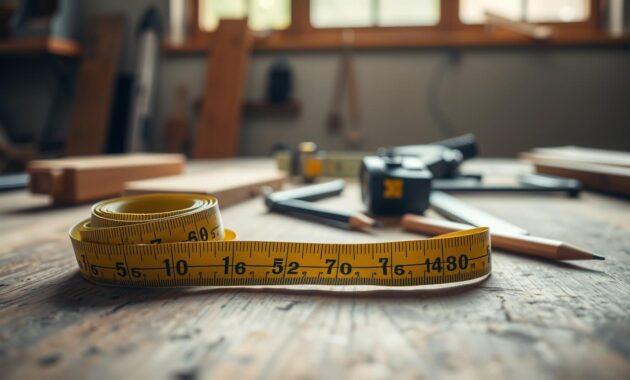
What I recommend you have on hand
- Flexible measuring tape — ideally longer than standard so it handles tall and plus size bodies without re-gripping.
- A second tape, string, or ribbon to mark your natural waist so vertical measurements stay consistent.
- A full-length mirror and a flat floor surface to stand on when you take measurements.
How to dress and stand
Measure over fitted undergarments or thin, non-compressive basics. Bulky clothes or tight shapewear give false numbers.
Stand tall, breathe normally, keep shoulders and hips level, and place feet about shoulder-width apart. That stance keeps circumferences steady and repeatable.
How tight should the tape be?
The tape should feel snug with no slack, never so tight it dents skin or reshapes tissue. Removing slack is enough to get reliable body measurements.
If you’re measuring alone, use the mirror to check the tape line stays level all the way around. For vertical checks, make sure the tape reaches the floor evenly and your ribbon waist mark stays in place.
| Tool | Why it matters | Quick tip |
|---|---|---|
| Long flexible measuring tape | Less shifting on tall or plus size bodies | Choose 60–120 inch tapes for comfort |
| Second tape or ribbon | Locks your natural waist for verticals | Tie lightly at the narrowest point |
| Mirror and flat floor | Helps keep the tape horizontal and consistent | Stand on an even floor and check level |
| Fitted undergarments | Reflects how wardrobe will fit on set | Avoid bulky layers or tight shaping pieces |
Model Measurements Explained: The Bust-Waist-Hip Basics
The bust–waist–hip trio is the foundation of every accurate profile and comp card. These three numbers guide fittings and help clients pull the right wardrobe. I’ll keep this simple and repeatable.
Bust or chest
Measure the fullest circumference around the upper torso at the widest point. Keep the tape parallel to the floor and breathe normally.
Measure over thin undergarments. Check from the front and side so the tape doesn’t slip. This protects your chest and breast numbers from error.
Waist — find the narrowest part
Locate the natural waist by bending to the side and noting the crease. This narrowest part is often 2–5 cm above the belly button.
Take the circumference measured at that mark. Mark or tie a ribbon for consistent checks each month.
Hips and the widest point
Measure the fullest circumference around the low hips and buttocks. The widest point may sit lower or to the side, so view from front and side.
Don’t guess—rotate in front of a mirror and confirm the tape stays level all the way around.
- Quick habit: measure standing relaxed, tape snug but not tight.
- Measure at the same landmarks every time for consistent records.
| Area | Where to measure | Quick tip |
|---|---|---|
| Bust / Chest | Fullest upper torso circumference at widest point | Keep tape parallel and breathe normally |
| Waist | Narrowest part—bend-to-the-side crease (2–5 cm above navel) | Mark with ribbon for repeat checks |
| Hips / Hip | Fullest low-hip/buttock circumference; check from front and side | Rotate in mirror to avoid tilt |
The 14 Key Numbers to Record on Your Measurement Sheet
Start your measurement sheet with a clear, ordered list—this saves time and prevents guesswork during fittings. Below is the exact order I use so you can copy and paste it into your notes.
- Height — measure barefoot against a wall and record in feet/inches for U.S. submissions; don’t round up.
- Bust / chest — fullest torso circumference at the widest point.
- Underbust — rib cage just under the bust; keep tape level.
- Waist — natural waist circumference; tie a ribbon at the bend-to-the-side mark.
- High hip — circumference at hip bones (higher hip landmark).
- Full hip — fullest low-hip/buttock circumference; this is often lower than high hip.
- Across shoulder — socket-to-socket; raise and lower your arm to feel the joint before measuring.
- Arm length — shoulder point to wrist with the arm relaxed.
- Wrist circumference — measure at the bony wrist protrusion.
- Inseam — crotch to floor along the inner leg; stand straight so tape follows the leg cleanly.
- Outseam — natural waist to floor along the side; follow the body line to the floor.
- Total rise — center front waist, through the crotch, to center back waist.
- Vertical trunk — HPS around front, through crotch, back to HPS (important for one-pieces).
- Neck base — lower neck circumference at the base.
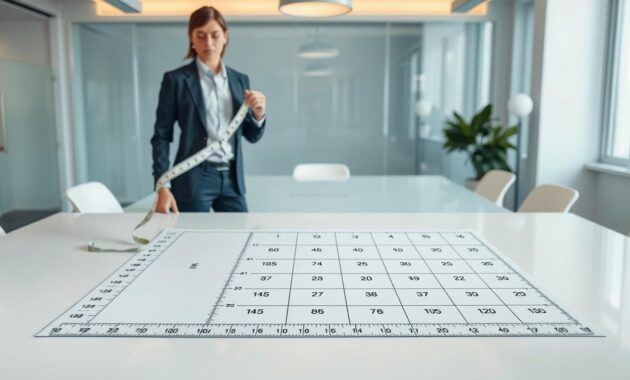
| Name | Where to measure | Quick tip |
|---|---|---|
| Across shoulder | Socket to socket | Find the joint by moving the arm |
| Inseam | Crotch to floor | Stand barefoot, tape straight |
| Total rise | CF waist → crotch → CB waist | Use ribbon at waist for consistency |
Recordkeeping rule: measure twice, write once, and note the date. Small body shifts happen; a tidy sheet prevents last-minute chaos and builds trust with agencies and clients.
Step-by-Step: How to Measure Each Area Without Common Mistakes
When numbers matter, a calm ten-minute routine saves time and stress. Below is a simple, repeatable way to take measurements so you stay accurate and professional.
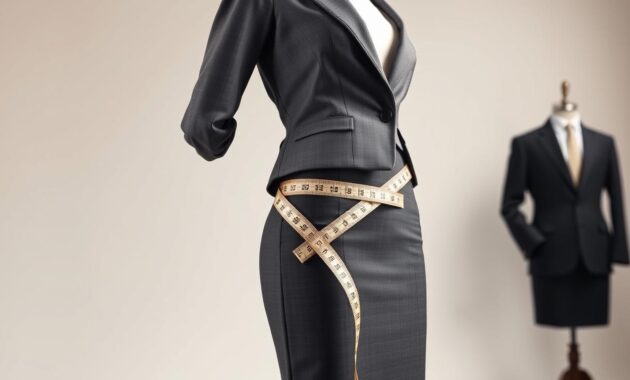
Finding the true waist with the bend-to-the-side method
Bend to the side and find the crease where your body naturally folds. That crease is the true waist point.
Tie a light ribbon there so every follow-up check uses the same part. Marking keeps results consistent.
Preventing “model math”: measure twice, write once
Honestly, I’ve seen people shave an inch to feel safer. That “model math” risks credibility when agents re-check.
Measure twice. If numbers differ—26.5 and 27—pick the consistent landmark, then round sensibly and note the date.
Avoiding tape tilt: quick checks
Keep the tape parallel to the floor. Glance in the mirror, feel for equal height at left and right, then lock the number.
- Mini-routine: stand straight, breathe, level the tape, record twice.
- Common slips: twisting the tape, pulling too tight, measuring over thick bands.
| Step | Action | Quick fix |
|---|---|---|
| Locate waist | Bend to side and mark crease | Tie ribbon at that point |
| Check tape | Keep it horizontal around the body | Use mirror and fingertip height check |
| Record | Measure twice, write once | Note date and which part you used |
How Agencies May Measure You (and Why Your Numbers Might Not Match)
Agencies often use different landmarks, so your numbers can shift depending on who’s measuring.
True waist vs. just above the hip bones. Some bookers take the narrowest waist point. Others measure just above the hip bones. The same body can give two different waist numbers depending on that choice.
Why hips often include the widest butt/thigh area
Many agencies measure the fullest hip circumference. That often includes buttock and upper-thigh fullness. For runway and fit work, this shows how garments will sit on the body.
What “ideal” ranges look like — and why honesty wins
Fashion sometimes cites ranges like 34-24-34 as an ideal guide. Honestly, chasing numbers rarely helps long-term.
Be consistent and accurate. Agencies recheck over years, and trust builds when clients match their profile on set.
- Expectation: small differences are normal, not a mistake.
- If numbers differ, ask: “Can you confirm where you took the waist so I can match that landmark?”
| Issue | Common agency approach | Practical tip |
|---|---|---|
| Waist location | Either natural narrowest point or above hip bones | Mark your ribbon and measure the same spot |
| Hip measurement | Widest buttock/upper-thigh circumference | Rotate in mirror to find true widest point |
| Long-term | Profiles rechecked over years | Keep dated records and measure twice |
Taking Measurements for Men Who Want to Become a Model
Guys, if you list a jacket size instead of true body numbers, booking teams can’t dress you properly. I say this because I’ve seen neat profiles fail on set for that exact reason.
Men’s chest, waist, and hips: same rules, different expectations
Measure the chest at the strongest point with the tape level and relaxed breathing. The waist is the natural narrow point; mark it.
Hips go around the fullest buttock. The rules are the same, though expectations change by category—fashion vs. commercial.
Arm length: shoulder to wrist
Measure from the shoulder point to the wrist with the arm relaxed. Keep the arm loose so the wrist number doesn’t jump when you bend.
Leg length: step to floor
Measure from the crotch (step) to the floor while standing straight and barefoot. Good posture prevents accidentally shortening the number.
Why clothing size alone isn’t enough
Brands vary. An EU 40 can mean different chests across labels. Agencies want consistent numbers so garments fit, get styled, and ship correctly.
| Item | Where | Quick tip |
|---|---|---|
| Chest | Strongest point | Keep tape level |
| Arm | Shoulder → wrist | Relax arm |
| Leg | Step → floor | Stand barefoot |
Using Your Body Measurements for Different Model Categories and Fit Needs
Your measurements become a working tool when you know which clients read them for fit and which read them for look. I want you to move from having numbers to using them with confidence.
Runway and high-fashion teams often treat stats as exact guides. They pull samples to match a small range of sizes and expect little ease. Accurate body measurements help them decide quickly which sample to bring.
Commercial clients focus on believability and overall fit. They still use measurements, but they may allow more room for styling and comfort. Either way, accuracy saves time during fittings and reduces returns.
Plus size measuring and practical tips
For plus size work use a longer measuring tape and lock stable landmarks. Tiny tape shifts create bigger swings in final numbers for taller or fuller bodies.
Tie a ribbon at your waist and double-check hip and bust landmarks. That habit keeps repeat reads consistent across castings and posts.
Body measurements vs. garment measurements
Remember: garments include ease. A shirt’s labeled chest size will usually be larger than your chest size so designers can add movement and style lines.
Fit reality check: if your body measurement is X, the garment measurement should be larger unless the piece is compression. Relying on tags alone misleads wardrobe teams and you.
| Category | How stats are used | Quick action |
|---|---|---|
| Runway | Match sample sizing exactly | Provide precise body measurements |
| Commercial | Prioritize comfort and look | Note both body measurements and preferred fit |
| Plus size | Needs longer tape and strict landmarks | Use ribbon marks and measure twice |
Conclusion
When you treat your body like work data, submissions get smoother and fittings move faster.
Here’s the core promise: once you know how to take numbers, you stop guessing and show up prepared. Keep the big three—bust/chest, waist, hips—visible, and keep the full set of 14 on a single sheet.
Simple action: measure today, record every number, re-check on a schedule and after noticeable changes. Update your comp card and profile so agencies see the same facts on arrival.
Professionalism, reduces wardrobe stress, speeds fittings, and wins repeat bookings. Your body is data for work—not a verdict—so aim for clarity, not criticism.
Next step: save baseline numbers, track updates, and use them when you pick categories and send submissions. Come back to this blog for quick posts and small routines that save time.
FAQ
How do I take accurate chest and bust measurements?
Where exactly is the natural waist and how do I find it?
What’s the difference between high hip and full hip measurements?
How tight should the tape be when I measure?
How do agencies check measurements and why might they differ from mine?
What should I wear when taking measurements at home?
How do I measure inseam, outseam, and total rise correctly?
What is vertical trunk and why does it matter?
How should men measure chest, waist, and hips differently?
Why do I need both underbust and bust measurements?
How can I avoid common measuring mistakes like tape tilt?
What is the best tape to use and why should I have a second tape or ribbon?
How often should I re-check measurements?
How do measurements differ for runway, commercial, and plus-size categories?
What are quick tips to make measurement sessions smooth and accurate?

I’m Rodrigo Durães, founder of CareersForge — the world’s leading career platform — and recognized as one of the most comprehensive and experienced career and life coaches globally. With multiple academic degrees from the world’s top universities and over two decades of experience as a CEO, my mission is clear: to help people unlock their full professional potential through honest, strategic, and proven content.